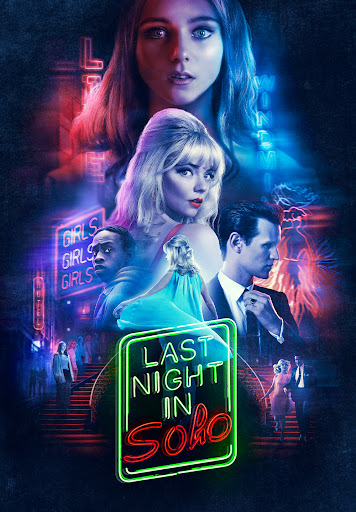
Thomasin Mackenzie (JoJo Rabbit) and Anya Taylor-Joy (The Witch) feed off each other in this unsettling paean to London’s swingin’ sixties–although it moves back and forth between past and present.
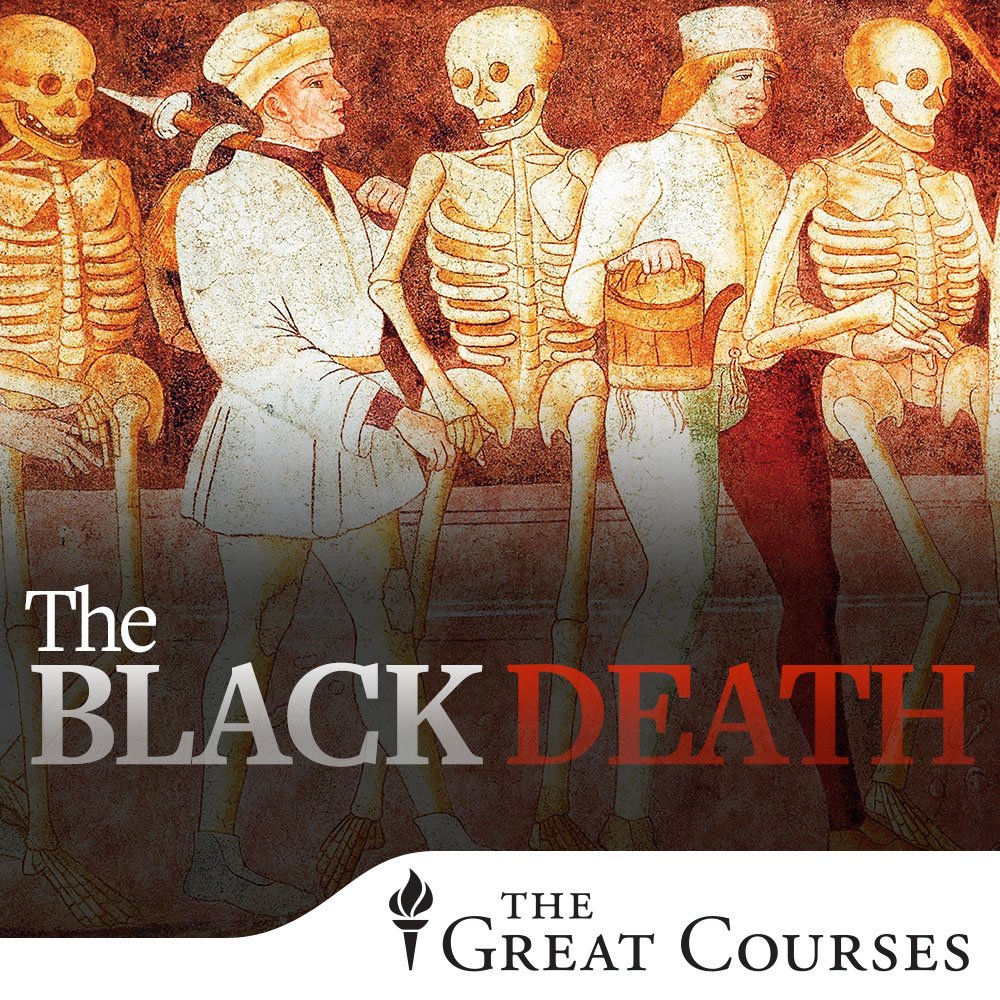
Author and narrator Armstrong is a Purdue University professor well-versed in medieval history and herein describes the plague(s) that devastated Europe in the mid-14th century and makes a cogent case for the “original” pandemic (1347-1351) as a prime cause of the Renaissance.
Licorice Pizza follows the misadventures of Alana Kane and Gary Valentine: two young people fumbling into adulthood as they bounce from one odd job to another in the San Fernando Valley of the 1970s. Masterfully directed by one of this era’s most prolific filmmakers: Paul Thomas Anderson (Boogie Nights, Magnolia, There Will Be Blood), the film will transport you to back to your own youth, no matter when you grew up. You will laugh, cringe, and maybe even shed a tear watching these two make an array of embarrassingly relatable mistakes that come with falling in love for the very first time.
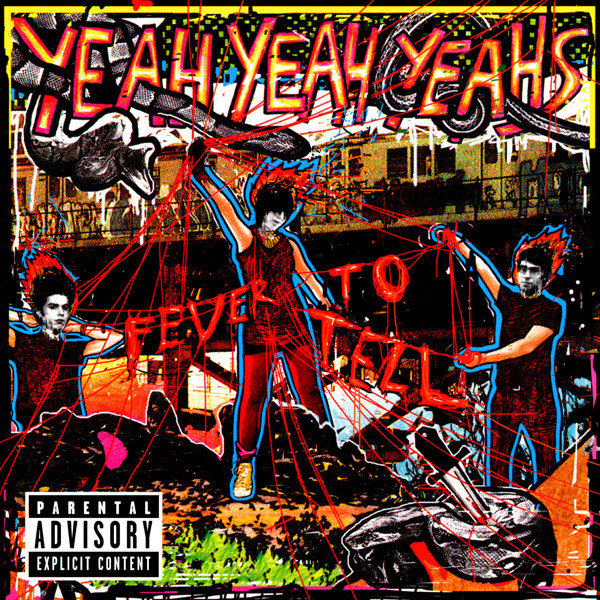
Fever to Tell is not just one of the best debut albums by a band, it may be one of the best indie-rock albums ever recorded, PERIOD. This is one of those very rare albums where every single track is an absolute banger. Tracks include: “Y Control”, “Pin”, “Black Tongue”, “Rich”, and the smash hit single “Maps”. Between her incredible vocals and her electrifying stage presence: Karen Oh remains one of the most unique frontwomen in the rock scene and this album is where it all began.
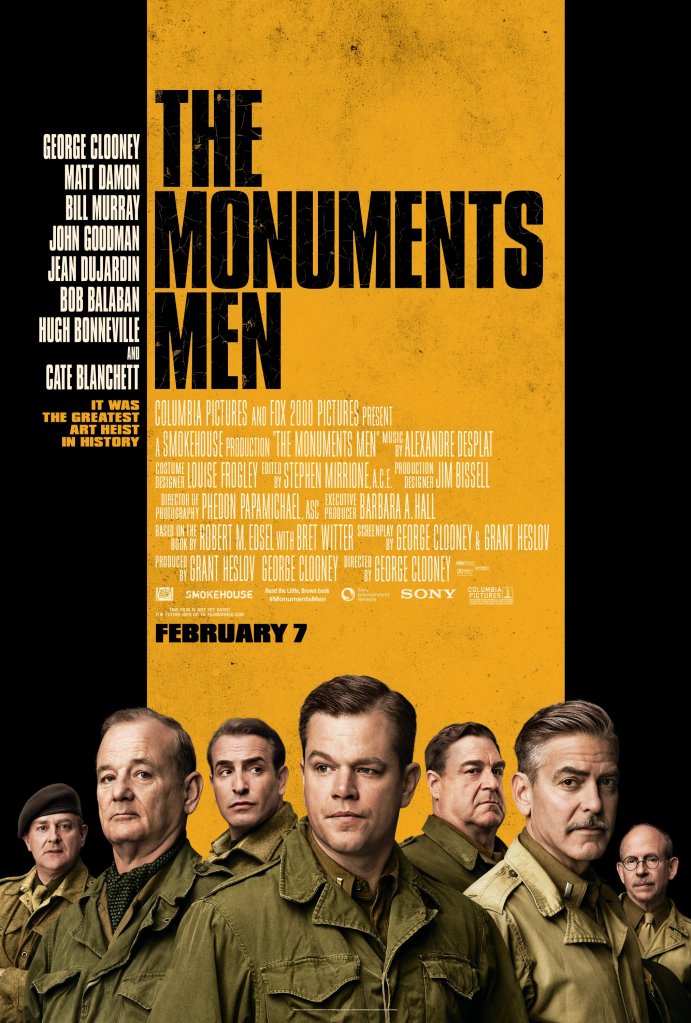
This movie, which has a great cast, is based on the true story of a group of art experts that tries to save Europe’s art masterpieces from the Nazis. If you like the movie, try the book to learn more!
The Scarlet Pimplernel is an Englishman that uses a variety of disguises and methods to save French aristocrats during the French revolution. Ralph Cosham does a great job narrating this classic with the English and French accents.
A must watch film for those interested in queer history, focusing on NYC ball culture in the 80s and tackling issues faced by Queer POC at the time.
Giovanni’s Room
A fantastic modern classic focused on the relationship between our narrator, David, and his unpredictable lover Giovanni. While this novel isn’t exactly a “feel-good” read, it is a fantastic work by one of America’s best authors.
Jessie’s Picks
The Good Thief’s Guide to Amsterdam
Charlie Howard is a writer by day and cat burglar by night. He gets hired to steal two figurines, but ends up having to prove his innocence of a murder. Simon Vance, an Audiofile Magazine Golden Voice Narrator, is the perfect narrator for this witty caper.
Downton Abbey
This movie reunites the entire cast of the TV show for a visit from the King and Queen. To fully understand the backstories, watch the TV show first. Fans of the TV show will enjoy revisiting Downton Abbey.
Kim’s Picks
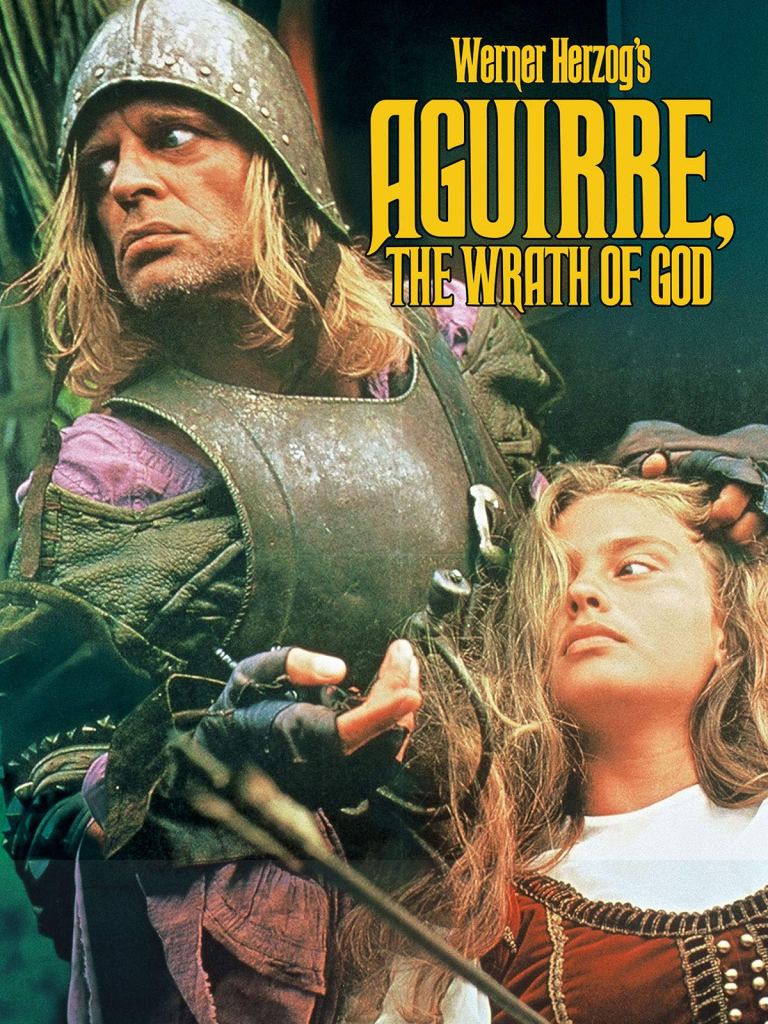
Aguirre, the Wrath of God
After Pizarro subdues the Incan empire, a troop of his men and two women descend into the Amazon rainforest and search for the fabled El Dorado, or City of Gold. The adventure does not go well.
In Which We Serve
Iconic playwright Noel Coward and fledgling director David Lean collaborated on this 1942 tribute to British sailors and their destroyer, the HMS Torrin. John Mills and Richard Attenborough make an impact. Coward is perfect as “Captain D.”
Eric’s Picks
Wet Hot American Summer
One of the absolute FUNNIEST movies featuring a murderer’s row of comedic talent before they became huge stars. The cast includes: Paul Rudd, Amy Pholer, Bradley Cooper, Molly Shannon, Janine Garofalo, Michael Ian Black, Christopher Meloni, and Elizabeth Banks in a sensational satire of summer camp films of the 70s! To this day there is nothing quite like the brand of humor director David Wain and this stacked cast cultivate in this movie. Take a trip this month to Summer Camp with this quotable summer time classic!
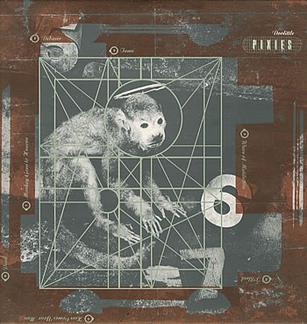
The Pixies/Doolittle
The Pixies defined a whole generation of music while simultaneously created a sound that has often been imitated but never replicated. To this day, there is no band that manages to cut straight to your ear and heart quite like the raw, emotional power of their music and there is perhaps no better example of the band than their sophomore album Doolittle. No matter how many times I hear the song “Debaser”, it remains so different, so uniquely raw, that it always manages to feel like the first time.
Superhero films have become such an omnipresent part of our culture that it feels like there is a new one hitting theatres every month. That feeling may be warranted by the fact that in this year alone there is a total of NINE superhero movies set to hit the big screen. Most recently among 2022’s batch of superhero features was Marvel Studios’ newest entry in their shared cinematic universe: Doctor Strange in the Multiverse of Madness. The film serves as a sequel to 2016’s Doctor Strange, but much more noteworthy for many film buffs, it marks the return of cult-film icon Sam Raimi.
Raimi, who had not directed a feature film since 2013’s Oz: The Great and Powerful, is no stranger to superheroes. In fact, the current status of superhero films can be traced directly back to Raimi’s first bonafide mega hit: 2002’s Spider-Man and its two subsequent sequels. Though Sam Raimi has always had a die-hard, cult following thanks to his beloved Evil Dead trilogy, his films before Spider-Man were all moderate financial successes at best. Even the Evil Dead films, arguably Raimi’s most popular movies before Spider-Man, remained as more of a niche item, never quite reaching mainstream success outside of its devoted community of fans. Spider-Man, on the other hand, was the film that finally broke him into the mainstream. It was so successful that it proved to major studios that there was a rabid fanbase for this genre, causing the wave of superhero, comic book adaptations that still grows to this day.
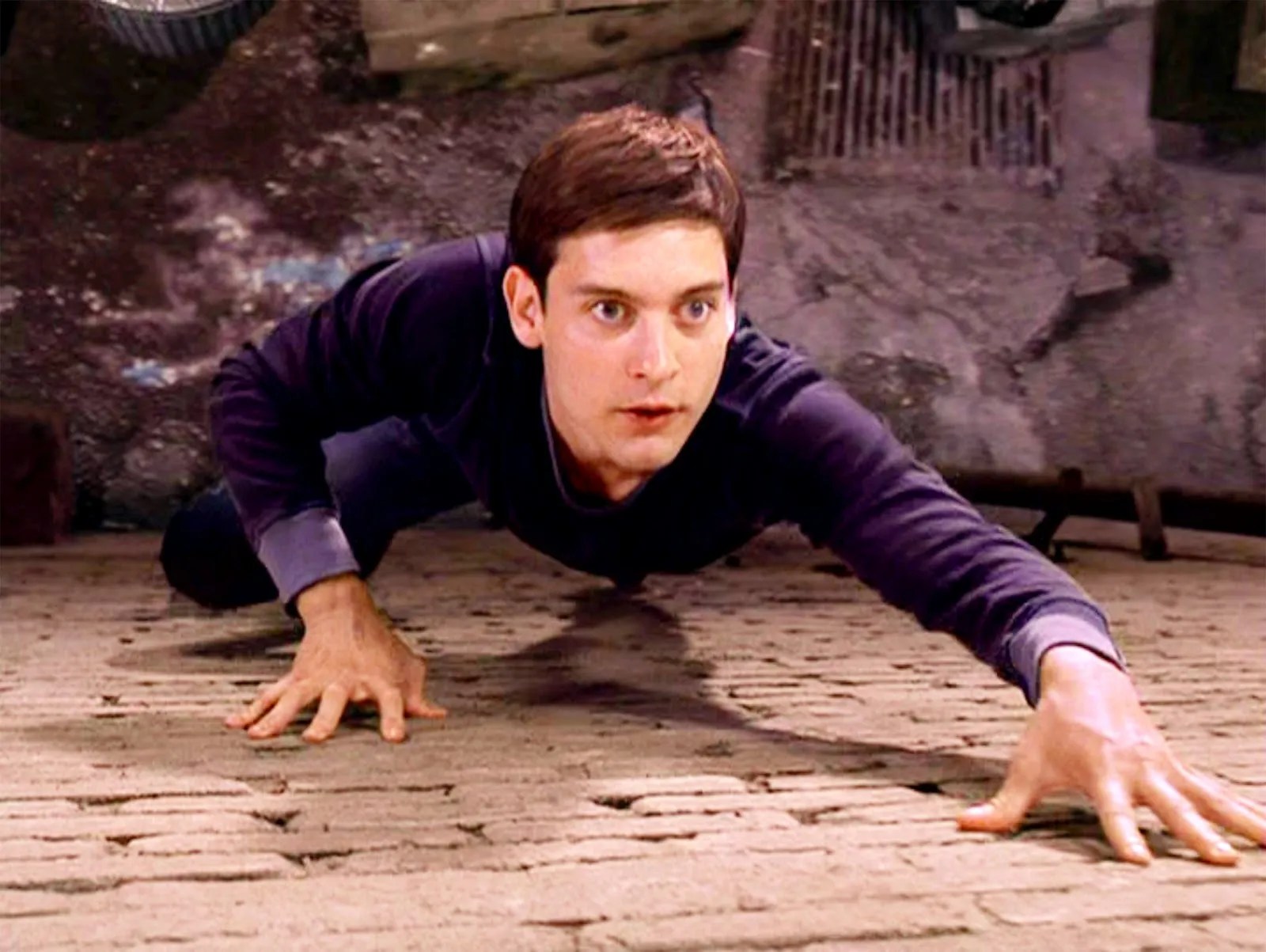
Tobey Maguire as Peter Parker Sam Raimi’s Spider-Man (2002)
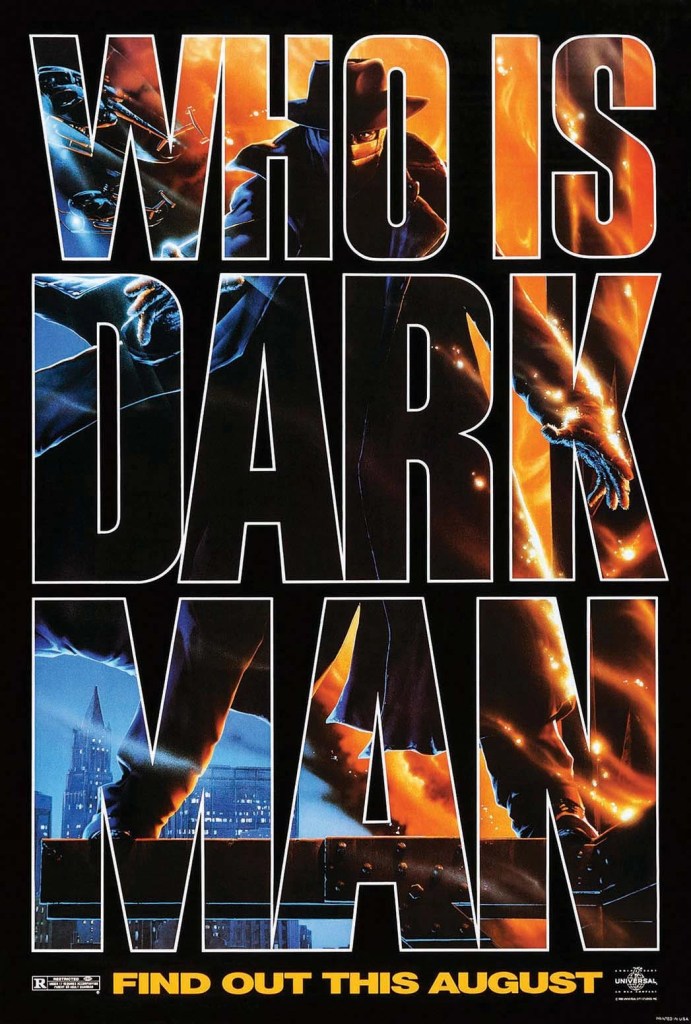
This cultural impact made the idea of Raimi returning to this genre to an exciting proposition, but what many fans don’t realize is that this will not be the first time Raimi had returned to the superhero genre, but rather, the second. Before he dropped audiences into “the Multiverse of Madness”, before dazzling the world with the high flying action of the Spider-Man films, Sam Raimi made another another superhero movie; one you may never have seen or even heard of, but one that is well worth discussing. In 1990, Sam Raimi followed up Evil Dead II with what would be his fourth major motion picture, a scrappy little superhero movie called Darkman. You may be asking yourself, “Who is Darkman?” If you were, then the marketing for this movie was way ahead of you, asking audiences that very question, offering only one cryptive response: “Find out this August”.
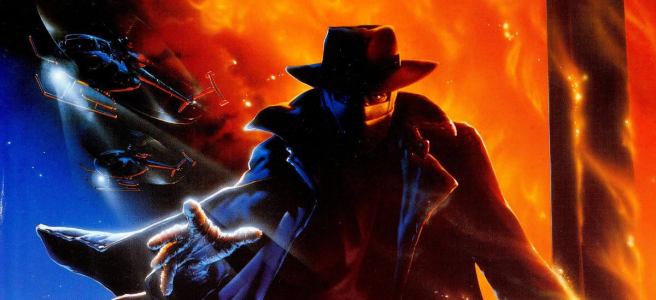
Official Darkman Teaser Poster, 1990
This marketing approach, effective as it was, was also one born out of necessity. Nobody had ever heard of him. Nobody read any of the Darkman comic books or listened to the old Darkman radio drama. This was because none of those things ever existed. In fact, before the 1990 film, Darkman didn’t exist anywhere but in the mind of director Sam Raimi. To understand how the film Darkman came to be, it is critical to understand the context of the time in which the movie was produced.
One year prior to this film, the blockbuster phenomenon of Tim Burton’s 1989 Batman hit theatres and sent out a pop culture shockwave that left people in a true state of “Batmania”. This is not hyperbole. The impact of Tim Burton’s original Batman film is practically unparalleled to this day, outside of other blockbuster successes like that of Titanic or Jaws. Not only was it “the biggest movie of 1989 — it remains one of the top 60 films ever in domestic gross, when adjusting for inflation — as well as the only major superhero release that year” (Canva, 2019, para. 28).
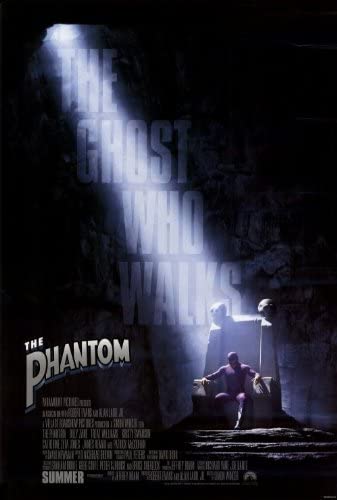
Before its release, most studios had balked at the idea of making a superhero film, viewing the success of the Richard Donner Superman films as something of its own separate anomaly. As someone who grew up as a child and teenager in this era, I remember the feeling that the general public considered the notion of a superhero movie as silly, cheesy, and embarrassing; all buzz words that seemed to scare off most major studios from even considering the cost of adapting one. However, once Batman hit theatres and shattered Hollywood’s preconceived notions about what the genre could be or, more importantly, how much money they could make, a flood of films about costumed crimefighters went into production. One of the oddest things about this wave of trend chasers was how deeply they seemed to misunderstand what made the 1989 Batman a huge success. Instead of making the arguably more logical conclusion, seeking out other popular characters from DC or Marvel Comics to acquire the rights from, studios seemed to interpret that audiences wanted more period-piece adaptations of pulp, noir heroes from the 30s. So instead of more movies based on DC comic book heroes like The Flash or Wonder Woman, what audiences got were film adaptations of The Phantom, Dick Tracy, The Rocketeer, and most notable for this retrospective, The Shadow.
If Hollywood did not see the difference between these pulp crime fighters and the popular superheroes most audiences were familiar with, ticket sales would certainly point it out for them. With the one possible exception of 1990’s Dick Tracy, no movie among these pulp crime fighter films was successful at the box office. Even in the case of Dick Tracy, which made a strong showing at the box office, primarily due to its star-studded cast featuring the likes of Warren Beatty, Al Pacino, and Madonna, it was still regarded as a failure in the eyes of Walt Disney Studios who were hoping for Batman-level hit.
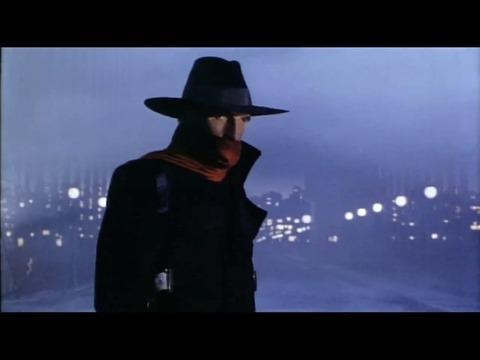
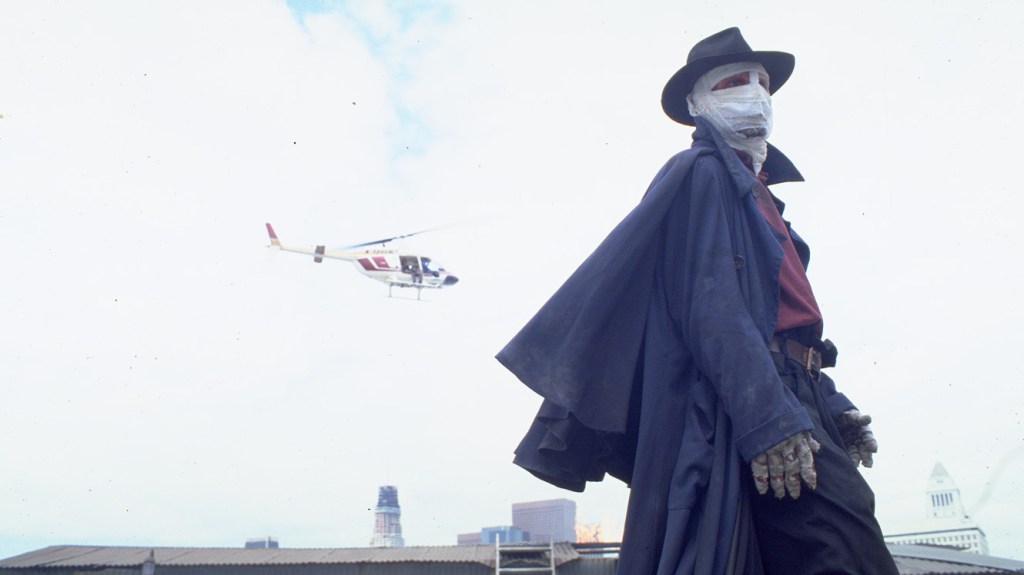
The reason that The Shadow, which hit theatres in the summer of 1994, is paramount to this discussion is that it was the film which Sam Raimi had originally wanted to make. Raimi, already a self-professed comic book fan, was well-aware that Batman‘s success would draw interest to similar comic heroes and took great pains to make a live-action adaptation of The Shadow. Unfortunately for Raimi, at this point in his career, he was still seen by Hollywood producers as a relative nobody and didn’t get the job. Nevertheless, Raimi redirected all of his excitement toward making a Shadow adaptation into creating his own superhero. As chronicled by film journalist, Sergio Pereira, the influences of The Shadow are well on display, noting that “his 1990 hit film Darkman, starring Liam Neeson, was born as a homage when Raimi was unable to secure the film rights for The Shadow or Batman” (Pereira, 2020, para. 3). Pereira goes as far to state that “Anyone who has ever watched the film can attest to the obvious influence of the character in both Darkman’s look and traits” (Pereira, 2020, para. 3) On looks alone, the similarities are clear, as you can attest in the comparison below.
Baldwin’s Shadow (left) vs Raimi and Neeson’s Darkman (right)
However, while the appearance of Darkman is heavily inspired by The Shadow, the traits of the character are cobbled together from a multitude of Sam Raimi’s other personal influences. In particular, Raimi’s Darkman is a character who shares much more DNA with the tragic characters from the Universal Monster movies than he does with any superhero. In fact, Liam Neeson cites his childhood love for the Universal Monster films of the 40’s and 50’s as not only inspiration for his portrayal of Darkman, but as a large incentive for wanting to do the film.
For those who have never seen the film, Darkman tells the story of scientist Peyton Westlake (Liam Neeson), who is on the verge of a scientific breakthrough as he develops a new type of synthetic skin to help burn victims retain their original faces. Unfortunately Westlake’s experimental synthetic skin cannot get past one glitch that causes the skin to disintegrate after 100 minutes of exposure to light. Before he can perfect this experimental technology, Westlake is attacked by mobsters who are after an incriminating document which his criminal attorney girlfriend Julie (Frances McDormand) is in possession of. The gangsters beat up Peyton, burn his entire body to a crisp, and blow up his lab, destroying all of his research. Though assumed dead to the world, an unconscious Peyton is taken into a hospital as a “John Doe”, having no visible identification. The medical doctors have saved Peyton’s life through an experimental new procedure that renders him unable to feel pain, leaving him able to push himself further than before but also making him prone to violent outbursts. Now horribly disfigured, Peyton takes up residence in an abandoned laboratory where he uses his synthetic skin technology to make masks of the the same men who attacked him to infiltrate their mob and pull it apart from the inside. Meanwhile, Peyton uses a mask of his original face to show his grieving girlfriend Julie that he is still alive, but must keep their meetings short as the disguise still dissolves in sunlight after 100 minutes.
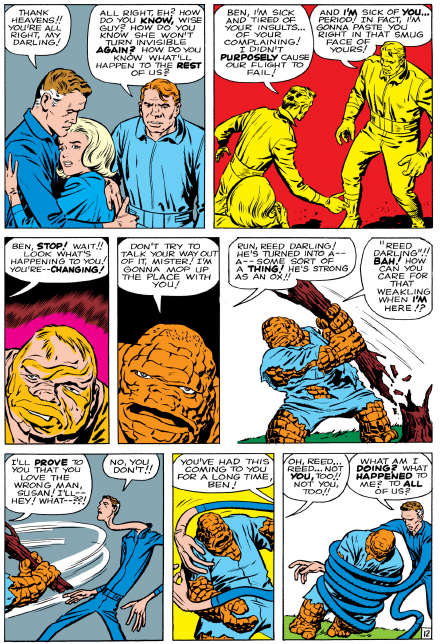
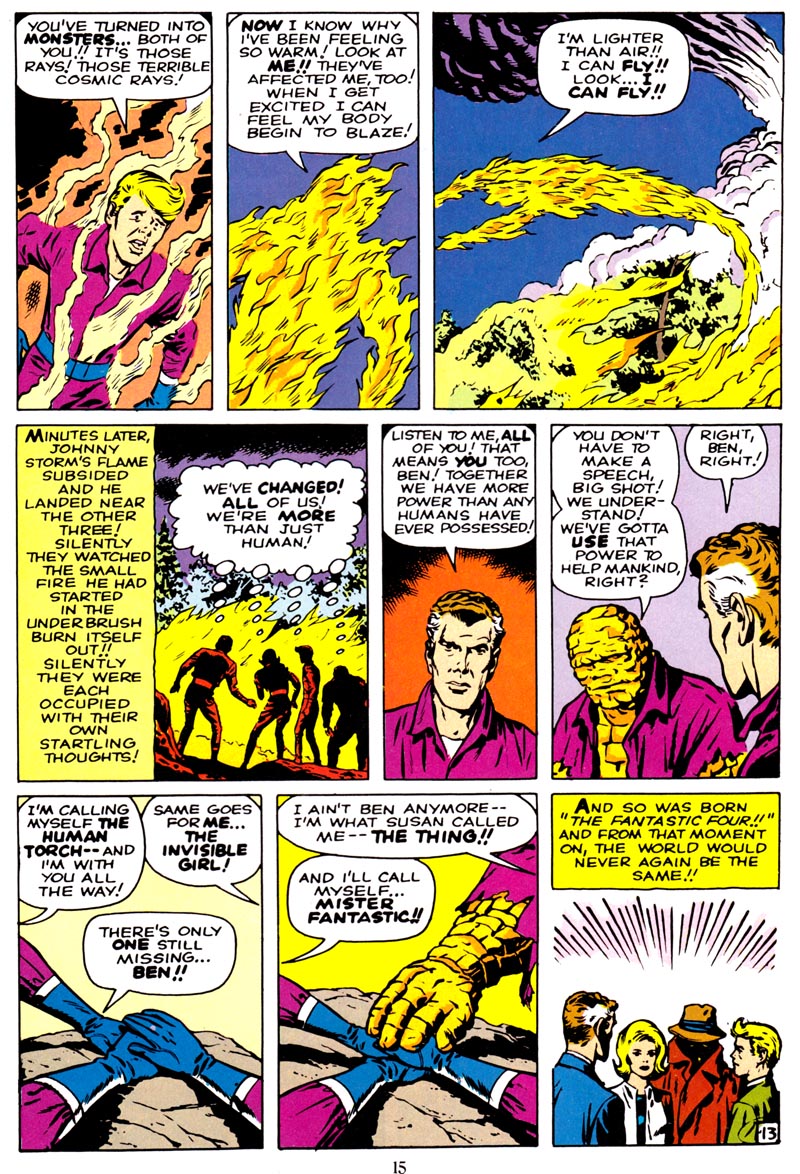
This plotline may make it sound like the film is at both times overly convenient in its structure and unnecessarily convoluted. However, the film wears the specificity of these details with pride, which truly feels like an homage to silver age origin stories that crammed as much exposition as they could into the limited page count that was afforded to them from their publishers. Truly, many of the first appearances of such beloved, classic characters as The Incredible Hulk, or The Amazing Spider-Man, were short, rapidly-paced stories that made huge leaps in time to fit the number of pages they could afford. Many of these origin stories were not even afforded a full issue to explore a new character and would often be told as a short story included in the back end of another comic.
In 3 short pages, The Fantastic Four discover their powers, name themselves, and decide to become superheroes. How’s that for economic storytelling?
This was a necessity for the comics industry as it was how they tested out the popularity of a new character with their readers before committing to publishing their own comic book. Like many forms of art, much of the trademark style was often born from the restrictions that were placed upon the medium. It is especially interesting to note the similarities between this style of the Marvel method of story telling and Raimi’s own style of film-making, which was greatly informed by the lack of resources at his disposal. In its structure, Darkman very closely adheres to the spirit of these pulp origin stories, embracing the heightened melodrama at every moment possible, cramming a love story, a mob story, a monster story, and a superhero story all into one package. It is this aspect that makes the film feel most closely aligned with comic publishers of the silver age who, desperate for a new break out character, would throw in everything and the kitchen sink to grab young reader’s attentions.
In reappraisingthis movieafter over two whole decades of superhero films to compare to, there is a lot to love about Darkman. In particular, if you are a fan of Sam Raimi’s other films, then Darkman is a must-watch movie. From the first frame of film, Darkman is packed to the brim with Raimi’s trademark style and flourishes. Raimi has made a career out of squeezing a dollar out of a dime, often using creative solutions to solve issues that come with low budgets. Fans of Raimi’s filmography know that this approach has defined much of the filmmaker’s trademark camera techniques. Darkman is a wonderful showcase of Raimi’s first foray into getting a bigger budget to flex with. The result is a movie that truly takes Raimi’s kinetic camera movements and gives them a new playground to explore, truly feeling like comic book compositions come to life. In its best moments the film feels like it is torn from the pages of the earliest days of Marvel Comics; the days of “Tales to Astonish” and “Amazing Fantasy” that featured such tragic heroes born of the atomic age as The Thing, The Hulk, the X-Men, and Man-Thing. Just look at the clip below to see how Raimi shatters the background into flames and zooms into Peyton Westlake’s eye to symbolize his descent into madness! (All using practical, in-camera effects mind you)
A clip of Peyton Westlake having a meltdown on a Carnival date as shot by Raimi
It is choices like this that bring classic comic book panels to mind, where artists were not hindered by anything but their imagination to convey the emotional state of their characters. In comics, artists must deal with a static medium to portray a fluid series of events. Being a huge fan of comics as a child (Spider-Man being his favorite), Sam Raimi admits to having been influenced by the art compositions in many of the silver age Marvel comics in how he frames his shots. This is evident from his earliest of films, but is truly on full-display for the first time in Darkman.
Raimi’s evocative composition evokes some of the earliest Marvel Comics works such as this series of panels from Stan Lee and Jack Kirby’s Incredible Hulk
In addition to this, Darkman is a film that offers Sam Raimi’s trademark brand of humor that you will not find anywhere else. If you consider yourself a fan of the Evil Dead films, it is highly likely that you enjoy a healthy heaping dose of “camp”. Never one to shy from a sight gag or slapstick beat, Sam Raimi finds moments in even the darkest corners of Darkman to wring laughs out of. In fact, I would argue that it is this special ingredient that makes the film more than another entry in a forgotten era of genre films. While many of its contemporaries have not held up with time, Darkman has survived largely due to the fact that so much of the film was injected with Raimi’s quirks and style. In contrast, movies like The Shadow or The Phantom come across as authorless works, feeling devoid of personality or signature. While that signature is undeniably Raimi’s, Darkman is a film that would not work as well as it does without the incredible performance of Liam Neeson at the center.
At that point in his career, actor Liam Neeson was not yet the household name that he is today. Before Darkman, Neeson had been working steadily in film and television for 12 years. Just three short years later, he would star in Steven Speilberg’s Schindler’s List which would forever change his career and set him off toward stardom. Watching Darkman, is a true testament to the level of craft and commitment which Neeson approaches the material. He truly seems to understand the exact tone, the exact flavor of pulp that Raimi is pulling from. His performance as Dr. Peyton Westlake/Darkman is genuinely operatic, expressing melodramatic levels of emotion that may make other actors feel silly or uncomfortable. You feel his love for Julie, you feel his torture and pain when he is transformed into Darkman, and you feel the boundless rage that incites him to exact his revenge. All of these extremes are portrayed by Neeson in a way that is both highly entertaining and totally authentic and, to top it all off, he manages to do so behind layers of prosthetics and bandages, often restricting him to expressing through only his eyes and his voice. It is a performance that is a worthy successor to the likes of such legendary monster men as Claude Raines, Lon Cheney, and Boris Karloff.
In addition to the cinematography and the performances, the film’s score is crafted by the greatest composer in all of superhero films: Danny Elfman. Elfman, who created the now iconic Batman theme used in the Tim Burton Batman films and even echoed in Batman the Animated series would later go on to write the score for many superhero films including Ang Lee’s Hulk and most famously Sam Raimi’s Spider-Man films. Elfman’s score for Darkman is appropriately tragic, moody and bombastic, elevating the story to a grandiose scale.
All in all, Darkman is a charming Frankenstein of a film; part monster movie, part tragic love story, part gangster film, part superhero comic, all lovingly stitched together by a director who truly felt like this would be his only shot to make a superhero film. With time and distance, Darkman has far more grit and personality than most superhero films of the modern era, save for Raimi’s own Spider-Man films which continue to stand above the rest as truly exceptional and timeless. As Doctor Strange in the Multiverse of Madness hits theatres this month, Raimi once again returns to a genre that feels like a true match made in heaven for his filmmaking sensibilities. But before going to theatres to see the new Doctor Strange, go back to see where it all began with Sam Raimi’s Darkman, now officially available at the Chester County Library!
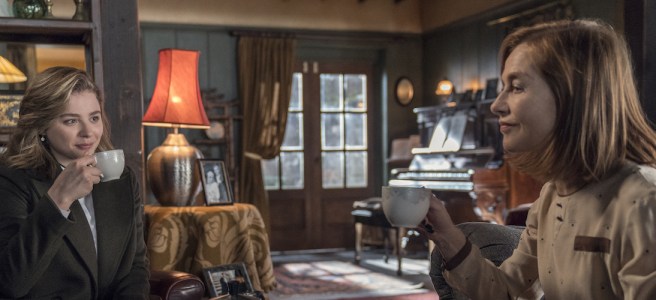
My top contender for the most overlooked, great film of 2019! This is a movie that builds its tension and scares entirely on the shoulders of its two leads, both of whom deliver incredible performances (Moretz and Huppert). Directed by master film-maker Neil Jordan (The Crying Game, Interview with The Vampire), this film explores the horror and ugliness that resides within us all. Acting legend of French Cinema Isabelle Huppert, who plays the titular Greta, delivers a powerhouse performance that was truly robbed of an Oscar nomination. This movie will have you holding your breath until the credits roll.
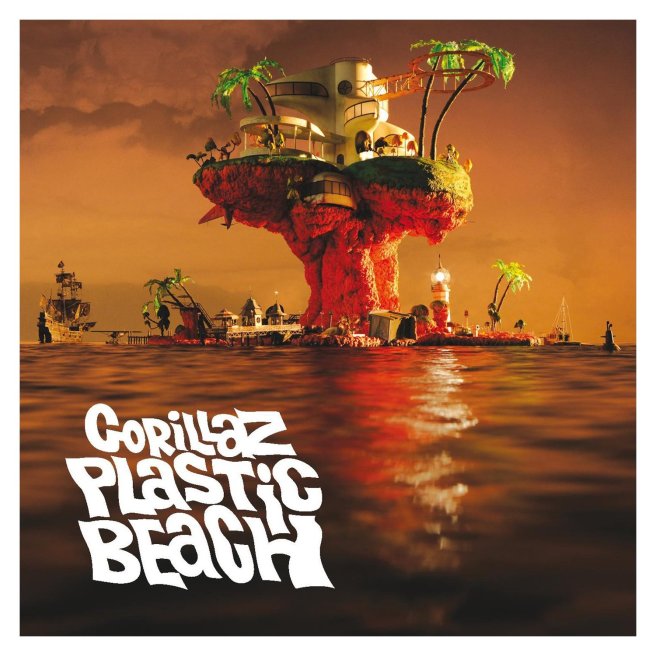
From their unique style of collaboration with a wide variety of musical acts, to their ongoing fictional storyline following animated characters who are treated as the real band members of the group, there is no band quite like the Gorillaz. While the Gorillaz have steadily built a strong discography ever since their self-titled debut album (Gorillaz) hit airwaves in 2001, their 2010 album Plastic Beach remains a true high-mark for the band’s career. Considered by many fans to still be their greatest album, Plastic Beach is a smorgasboard of catchy songs and high profile collaborations! Featured musical artists include: Snoop Dogg, Bobby Womack, Paul Simon, Mos Def, and Lou Reed.
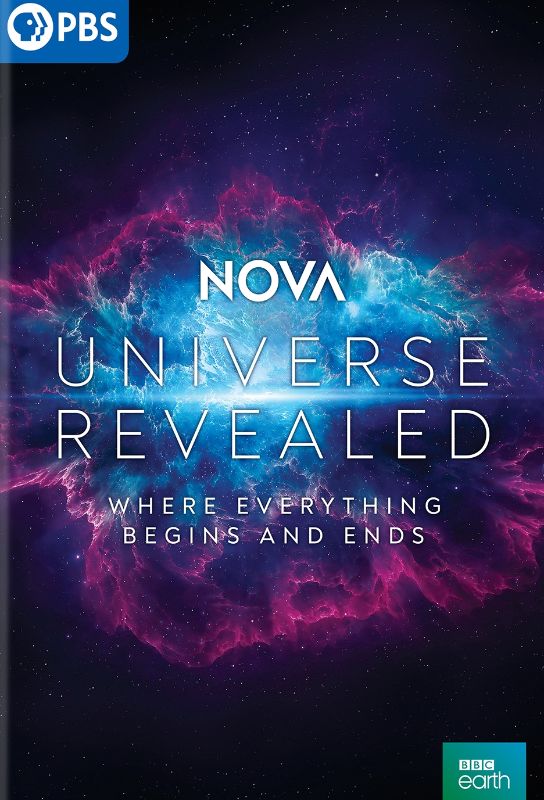
As is common with BBC Earth, this is a state of the art, brilliantly-filmed, NOVA documentary. With our entire cosmos as the subject of this 5-part series, the specific topics are Age of Stars, Milky Way, Alien Worlds, Black Holes, Big Bang. It’s 275 minutes long but holds the interest throughout.
The author of outstanding nonfiction books (The Devil in the White City, Thunderstruck) constructs and deconstructs the events leading to the sinking of the fast and state-of-the-art steamship Lusitania on its way from New York to Liverpool in 1915. The disaster was one of several incidents that propelled the United States into World War I.
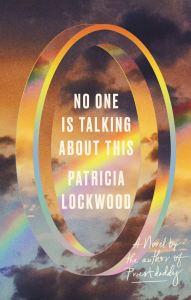
One of my favorite novels of the last year. This auto-fiction spans the bridge between poetry and prose throughout two parts; one focusing on life on the internet and another spent with the narrator’s real life, all told through brief snippets of her experiences.
One of the weirdest recent horror movies following two men completely isolated in a lighthouse by director Robert Eggers. A super tense film, with a surprising amount of fart jokes.
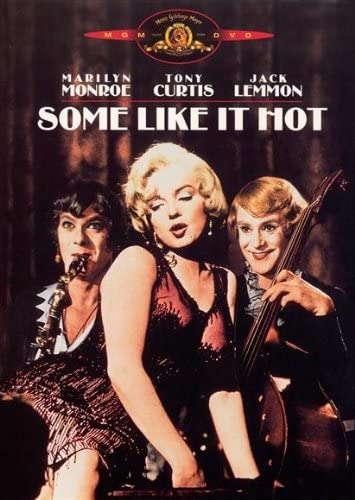
This classic comedy is number 1 on AFI’s 100 Years … 100 Laughs list. It has a great cast (Marilyn Monroe, Tony Curtis, Jack Lemmon) and a great director (Billy Wilder). Two musicians have to flee from the mob while disguised as women, and hilarity ensues.
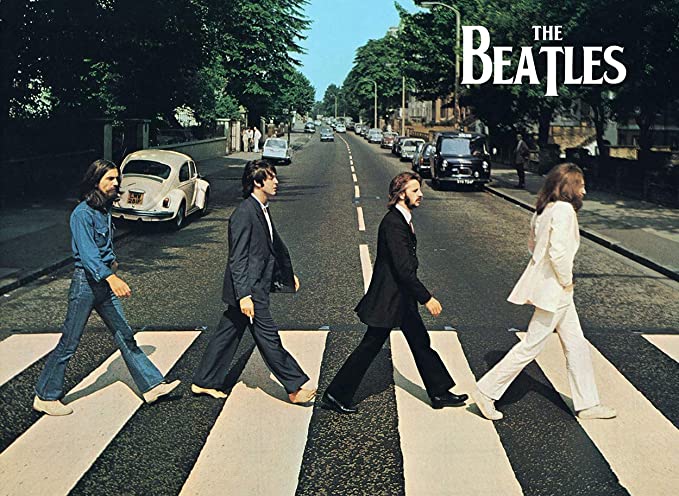
This album deserves its #1 spot on WXPN’s All Time Greatest Albums list. There are so many great songs on it – “Something,” “Come Together,” “I Want You,” etc.
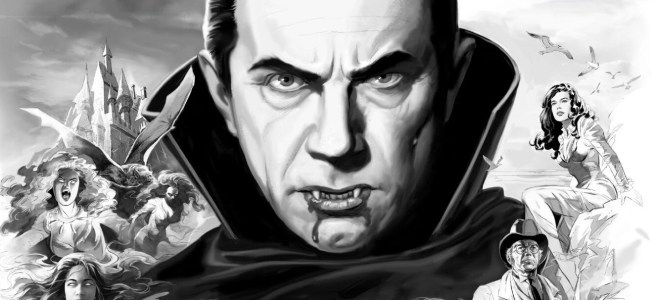
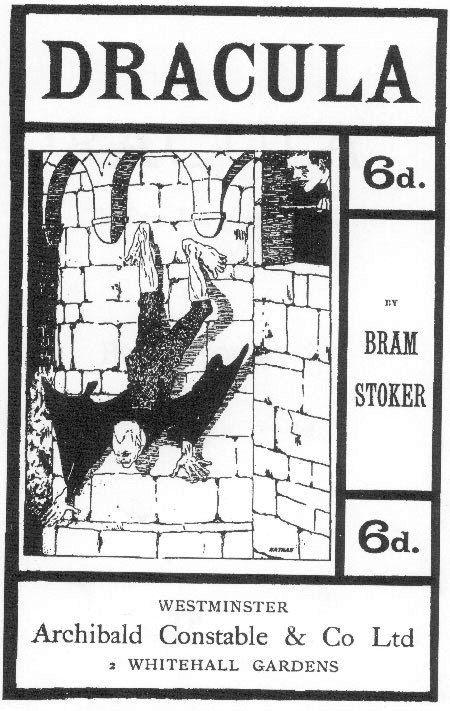
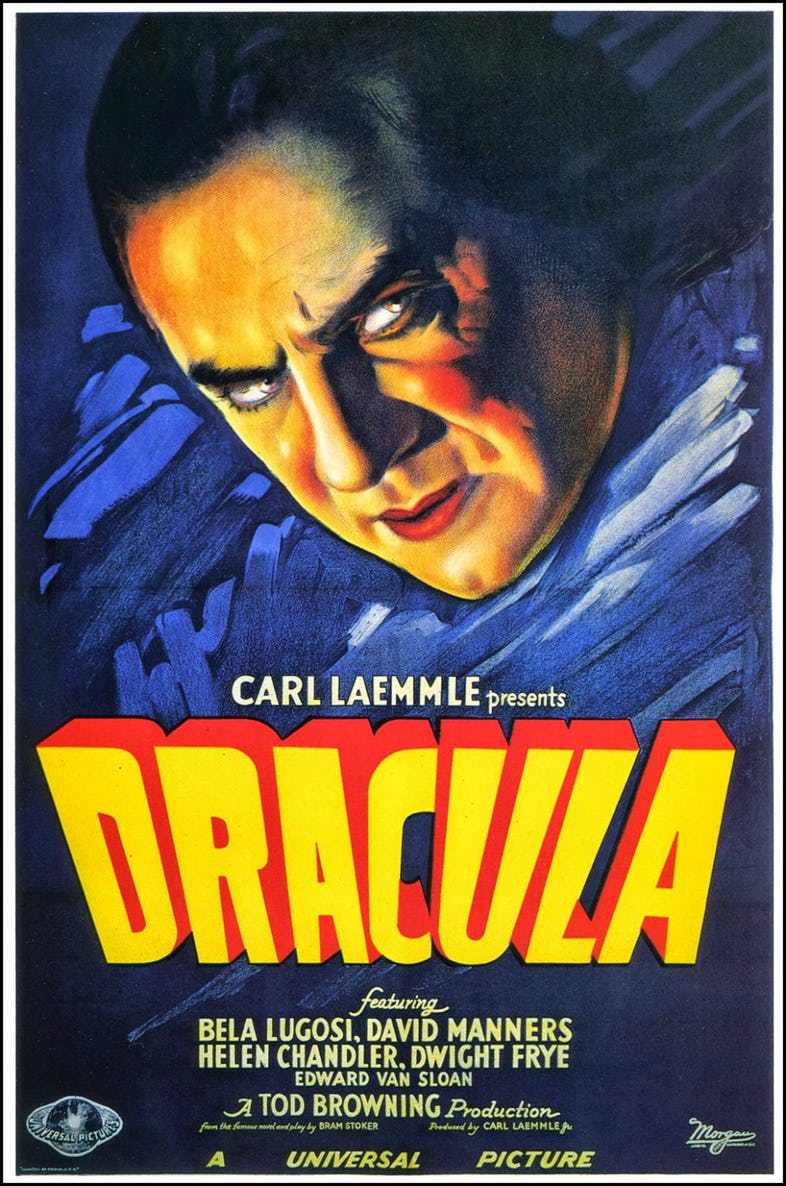
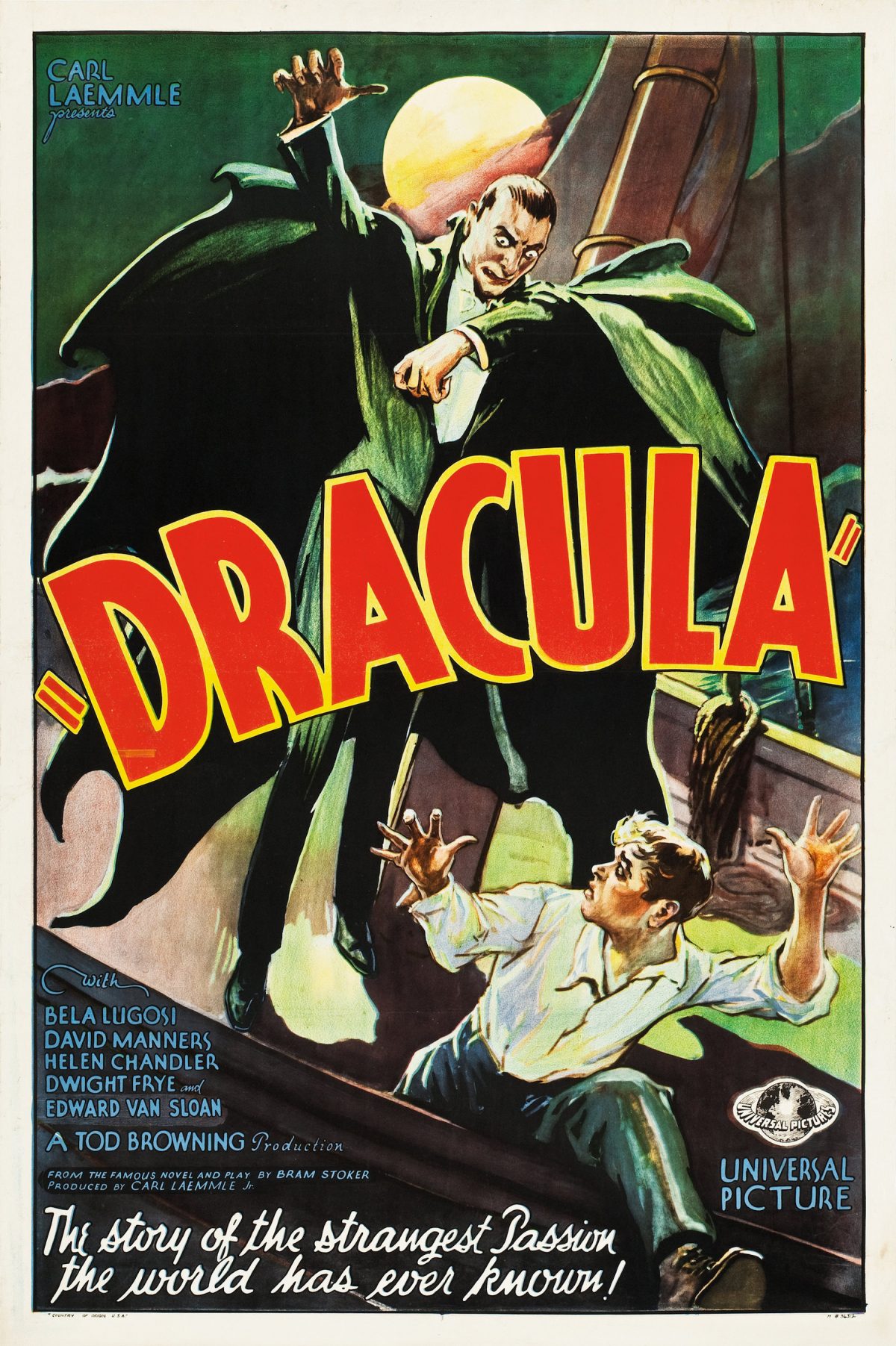
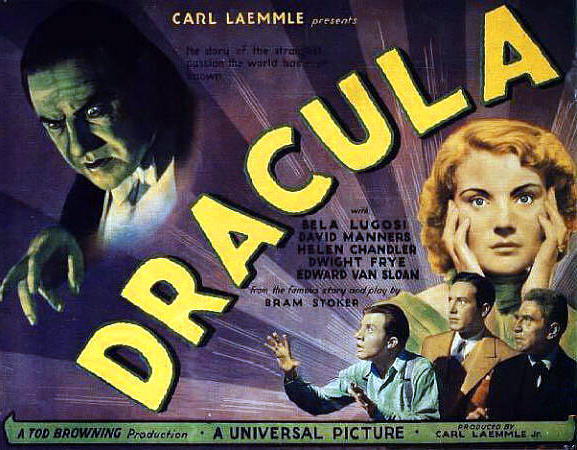
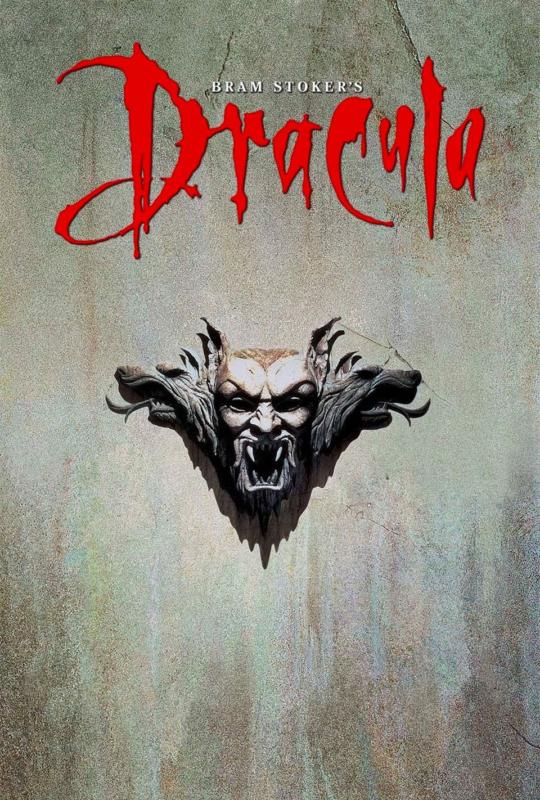
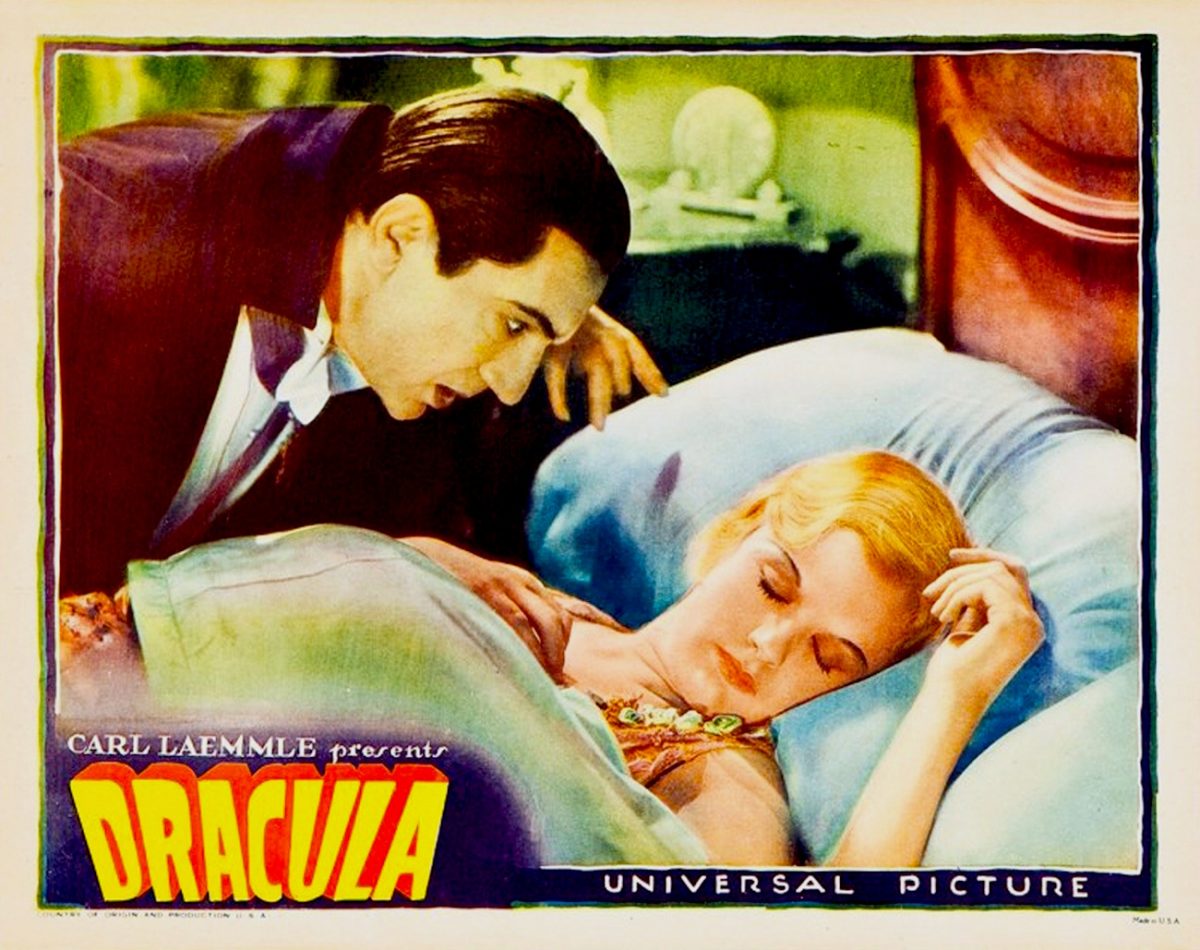
It now seems fitting that on May 26, 2012 The Whitby Dracula Society initiated World Dracula Day to commemorate the publication in 1897 of Bram Stoker’s extremely influential novel. Whitby, on the east coast of England, was the site of the running aground of the schooner Demeter, on which the Transylvanian vampire had made his way to Britain.
A first edition of the novel can go for up to $45,000.
World Dracula Day has gained in popularity worldwide. It’s now “a thing.”
“You would play your brains against mine? Against me who has commanded nations!”
A fantastic compilation album from the experimental British pop icon!
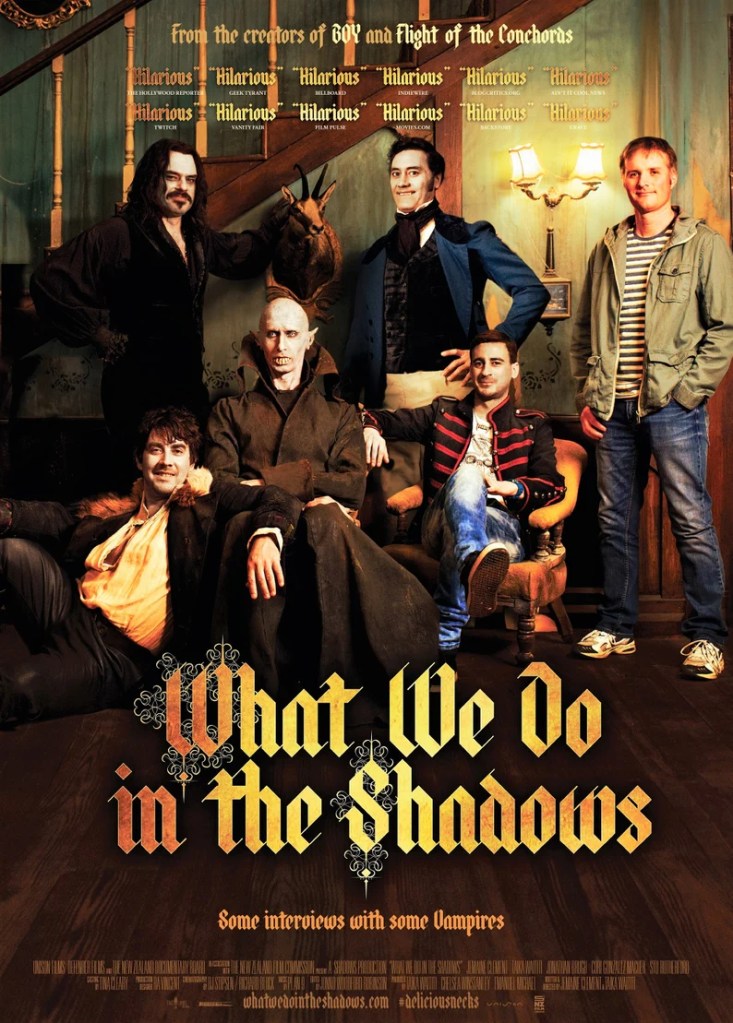
What We Do in the Shadows
A super fun vampire mockumentary! Definitely check out if you enjoyed HBO’s Our Flag Means Death.
Eric’s Picks
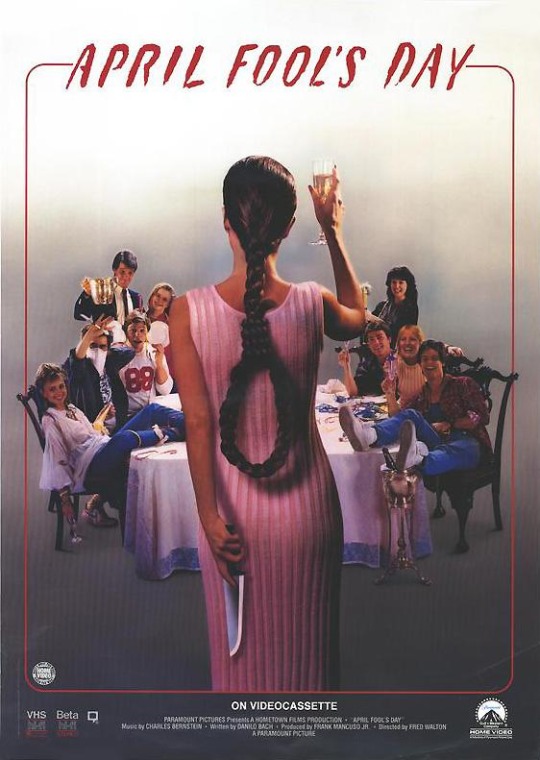
April Fool’s Day (1986)
A hidden MASTERPIECE from the teen slasher Renaissance of the 80s! Though it often gets lumped in with other Holiday themed slashers that were in vogue at the time, April Fool’s Day is far funnier, more ambitious and more clever than any of its peers! If you consider yourself a fan of horror films or “who dunnit” murder mysteries you owe it to yourself to check out this film!
Tropical Paradise/ La Roux
With summertime right around the corner, this album by English synthpop sensation “La Roux” is the perfect soundtrack to get you in the mood for some sun and surf and maybe a Mojito or two! Tropical Paradise is, top to bottom, all-killer/no-filler. Every song on this album is an absolute banger that would be the hit single and best track on anyone else’s album. As a musical act, La Roux remains criminally underrated and this album is one of her absolute best!
Kim’s Picks
Eden: Untamed Planet
For BBC Earth, Actress Helena Bonham Carter narrates beautifully this 2-disc documentary about five of the world’s still pristine locales: Borneo, Patagonia, the Galapagos Islands, Africa’s Namib Desert, Alaska’s Alexander Archipelago.
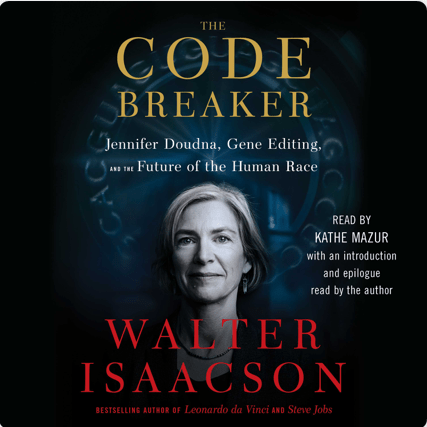
The Code Breaker: Jennifer Doudna, Gene Editing and the Future of Humanity
The author of many exemplary biographies, (Benjamin Franklin, Steve Jobs, Einstein), Isaacson delves into the modern technology of gene editing, specifically CRISPR (Clustered Regularly Interspersed Short Palindromic Repeats). Jennifer Doudna and collaborator Emmanuelle Charpentier won the Nobel Prize in Chemistry in 2020 for pioneering this technique. Despite the complicated science involved, Isaacson makes it intelligible and thrilling as he interviews a plethora of biochemists, bioethicists, and microbiologists to track the discovery, advances, and ethical disputes involved in the new world of genome editing that promises cures for disease as well as enhanced human beings.
Jessie’s Picks
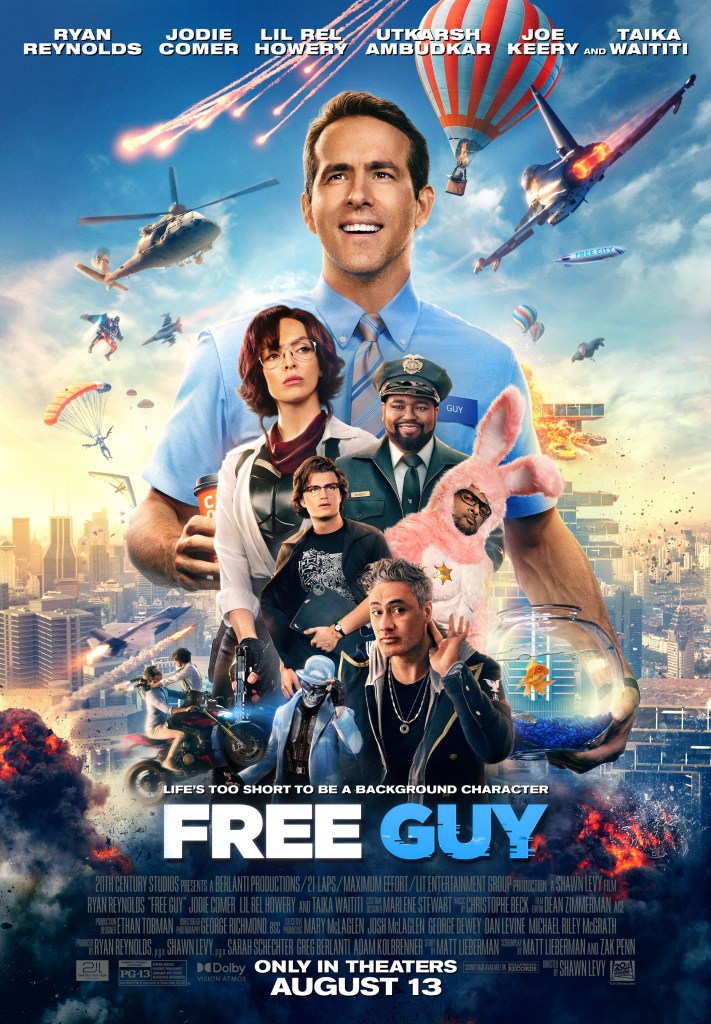
Free Guy
This hilarious movie is a must-watch for video game fans! Ryan Reynolds is unaware that he is a character in a video game, and that he might be essential in saving his world and exposing a greedy video game developer.
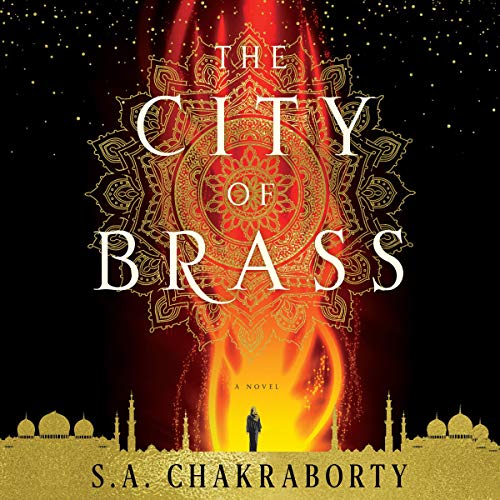
City of Brass
Narrator Nankani brings this Middle Eastern set fantasy to life. Nahri flees Cairo for the djinn city of Daevabad with an ancient warrior that she accidentally summoned. But she faces new dangers due to Daevabad’s palace intrigue.
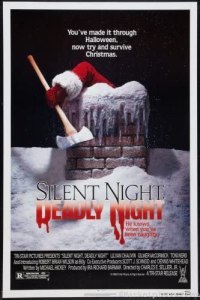
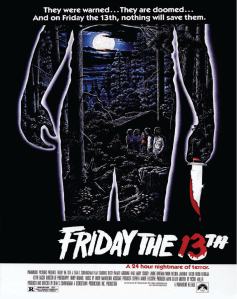
On October 27th, 1978, a low-budget slasher film hit movie theatres and became an overnight success, sending cultural shock waves that forever changed the landscape of the genre. No, the movie I’m referring to is not April Fool’s Day, but rather John Carpenter’s beloved horror classic: Halloween; a film whose massive success inspired a wave of holiday-themed slashers, all trying to cash in on the latest trend. This fad gave birth to such films as: Silent Night, Deadly Night, My Bloody Valentine, The Leprechaun, Prom Night, Happy Birthday to Me, BloodyNew Year, Graduation Day, Home Sweet Home and, most notably, the Friday the 13th films. Near the tail end of this craze, a film called April Fool’s Day was released into theatres and, even though it sold generally well at the box office, horror fans initially regarded its subversion of the slasher formula and lack of overt gore as too far a departure for the genre.
Here are just some of the many Halloween-inspired holiday slashers that came to pass…
This dismissal by fans definitely impacted the movie’s reputation, causing it to age into relative obscurity. Whenever the film was discussed, it was most often as another footnote from the era of Halloween knock offs. While there is no doubt that April Fool’s Day was sold to audiences as another feature of this ilk, the film itself uses the familiar formula of these movies as a Trojan Horse, sneaking in a far more clever and unique experience than was expected from the standard slasher fare of the times.
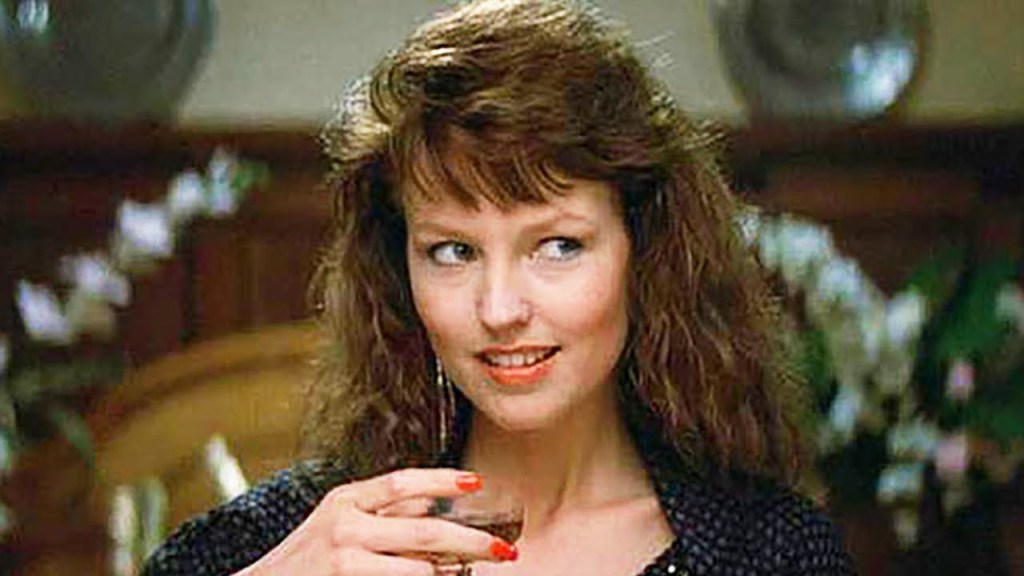
On the surface, April Fool’s Day sounds like your run-of-the-mill horror movie. During the spring break weekend that leads up to April Fool’s Day, a group of rowdy, oversexed, college kids gather at an island mansion owned by their old friend, Muffy St. John (Deborah Foreman). Once on the island, it turns out that Muffy has set up a variety of April Fool’s Day pranks throughout the mansion. What begins with simple gags like whoopee cushions and dribble glasses, quickly escalates to more disturbingly dark pranks. The gang tries to stay in the spirit of the holiday and laugh everything off but this becomes hard to do once members of their party start turning up dead.
Pictured from left to right: (Amy Steel as Kit, Tom Wilson as Arch, Leah Pinsett as Nan, Clayton Rohner as Chaz)
While, this synopsis is accurate to the series of events that befall the characters in the movie, it is only a singular part of a larger story; one which I dare not spoil to any readers who have not yet seen the film. Suffice it to say, April Fool’s Day does something so original with its premise, so radical for the genre of story its telling, that it has not appeared in a slasher film before or since. However, even without its twists and turns, April Fool’s Day would still be a movie well deserving of considerable reappraisal. Upon watching the film, I instantly noticed that, while the familiar character archetypes were all well on display, a lot of them are given more depth and feel a bit more naturalistic as people than you come to expect from the genre. This is especially of note considering that it was released in 1986.
In a clever directorial choice from film maker Fred Walton, a handheld camera is introduced early on as a possession of one of the college kids. Through this premise, the movie gets permission to directly introduce us to each of the characters, as it establishes that it is for the purpose of a home movie. While this is an efficient way to squeeze in exposition at the beginning of the film, the movie also uses it for moments of extremely naturalistic acting that audiences wouldn’t become accustomed to until well into the 1990s with films such as The Blair Witch Project. Watching everyone in these early moments, performatively acting up for their friend’s home movie feels so genuinely real and unscripted that it immediately adds an extra layer to all of the characters. This narrative device pops up intermittently throughout the film, adding a level of truly unexpected authenticity that makes the characters feel more well-rounded and a bit savvier, at moments showing early shades of Wes Craven’s teenagers from Scream. In particular, Thomas F. Wilson, whom audiences will know as the mean spirited Biff from Back to the Future, steals the show as the jovial, prankster Arch. It is really fun getting to see him play a fun-loving, good-natured character after identifying him so much with Biff. In addition to Wilson, Deborah Foreman who plays the dual roles of Muffy St. John and her mysterious and haunted twin sister Buffy, shows great range and pulls off both characters effortlessly.
Deborah Foreman as Muffy (left) and Buffy (right)
Much like Muffy and her twin sister Buffy, who often feel like two halves of a whole, April Fool’s Day is actually two films in one. One of these films is a straight-forward holiday horror slasher, delivering audiences exactly what they came for, while the other is almost a satire of those kinds of films. I say “almost” because the film in no way operates as satire, at least not overtly so. What is perhaps a better description is that, while April Fool’s Day exists as one of those formulaic slasher films of its time, it always feels highly aware of itself and when it gives in to those expected conventions, it does so in pursuit of an ultimate end-goal. To speak to this “end-goal” any more, would be to give away the secret behind the mystery killer of the film. Suffice it to say, the reveal of the killer was such a radical choice that it was ultimately one which led to audiences initial rejection of the film.
By the time April Fool’s Day hit theatres in 1986, almost a full decade after the original Halloween, the market was over saturated with teen slashers (both holiday themed and non-holiday themed alike). Even though it did relatively well at the box office, April Fool’s Day never received any of the critical acclaim or lasting memory that many of its peers did. Then again, when your peers of the decade are such horror titans as A Nightmare on Elm Street, Hellraiser, Child’s Play, and The Evil Dead, it can be pretty easy to get lost in the shuffle. With time and distance, however, it was the film’s ambition and unwillingness to follow the formula of its predecessors that gave this film something truly unique and has helped it build a cult fan base that still grows to this day (something which cannot be said for Silent Night, Deadly Night). If you consider yourself a fan of slasher films or “whodunnit” murder mysteries, you owe it to yourself to check out April Fool’s Day, because I can almost guarantee, you’ve never seen one which ends like this!
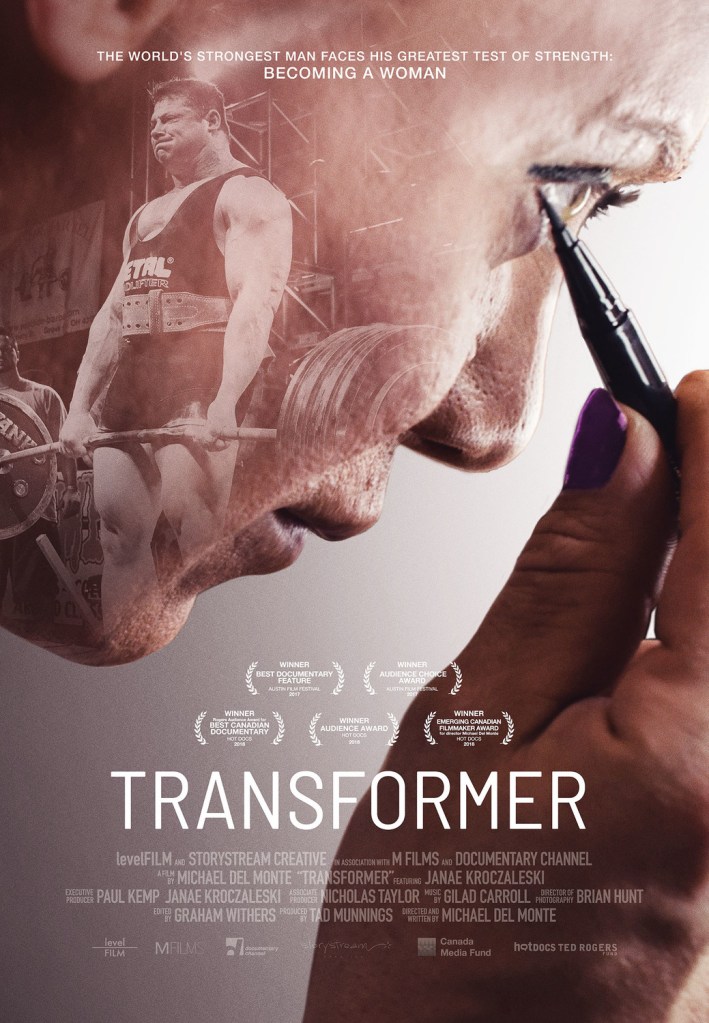
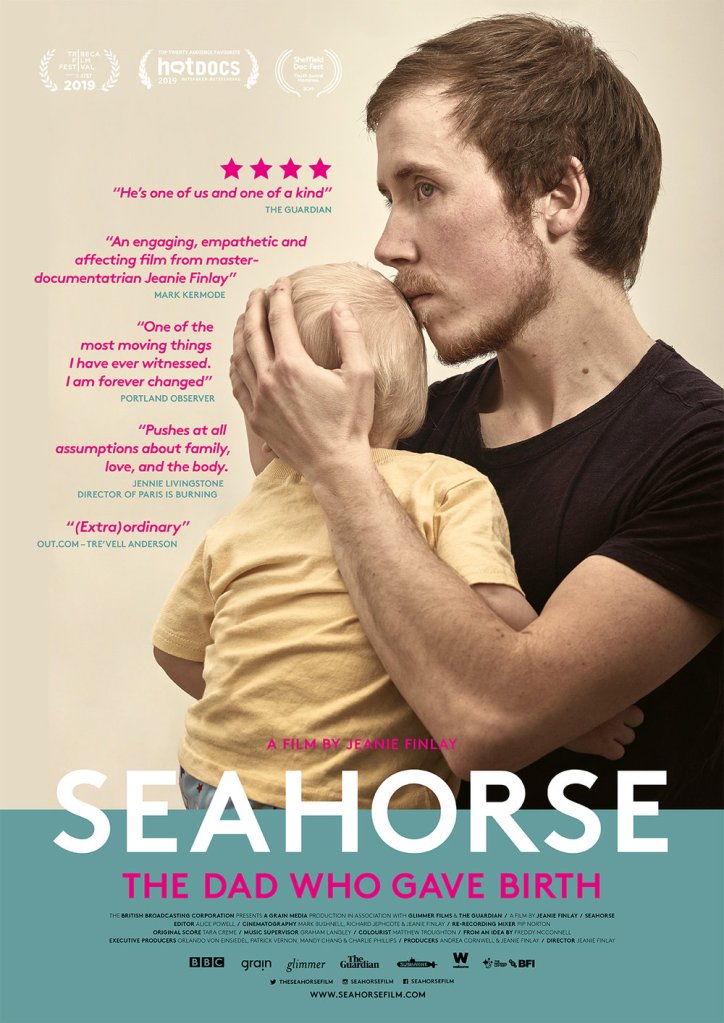
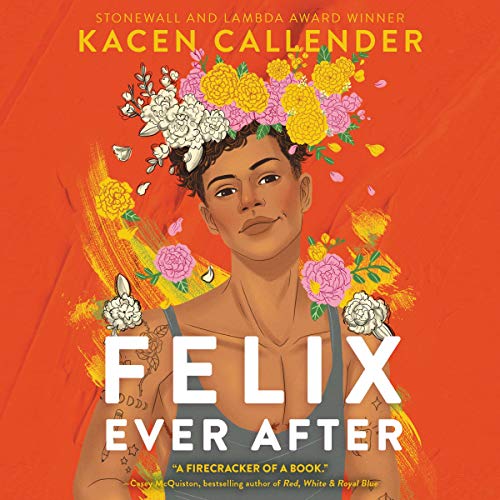
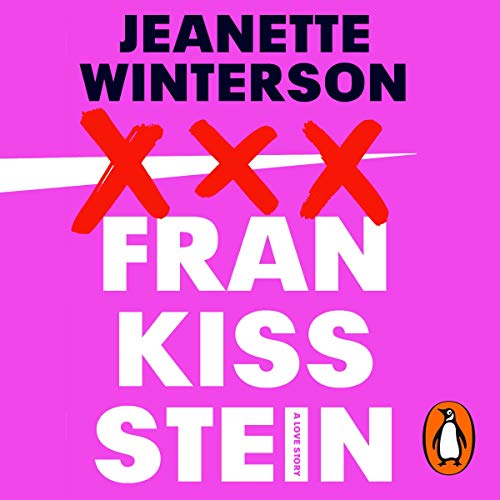
When we think of our favorite stories, the ones which we form strong emotional bonds with are often the ones we see ourselves in. Stories like these are critical for our development and growth as individuals. They help us see ourselves in relation to the world and help us build connection and a sense of belonging. Often times, they help us to shape our own identity and build a sense of self-worth. At their simplest level, these stories communicate to an audience that they are not alone. It is the reason why representation in all forms of media is so important. For people in the transgender community, finding stories that provide representation has always proved difficult.
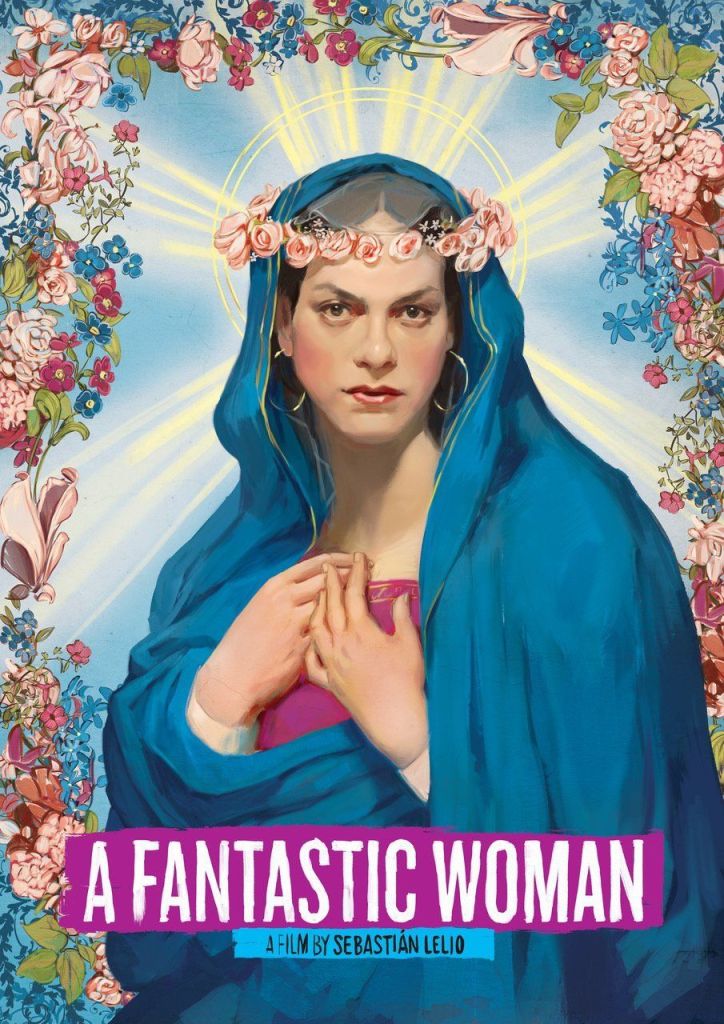
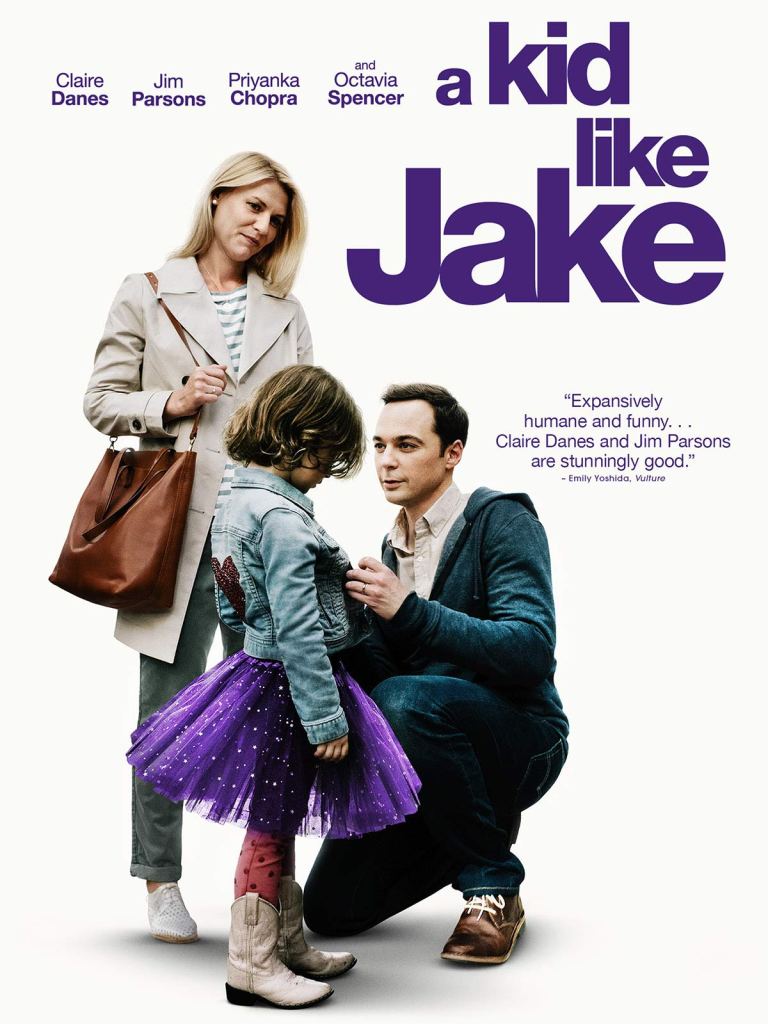
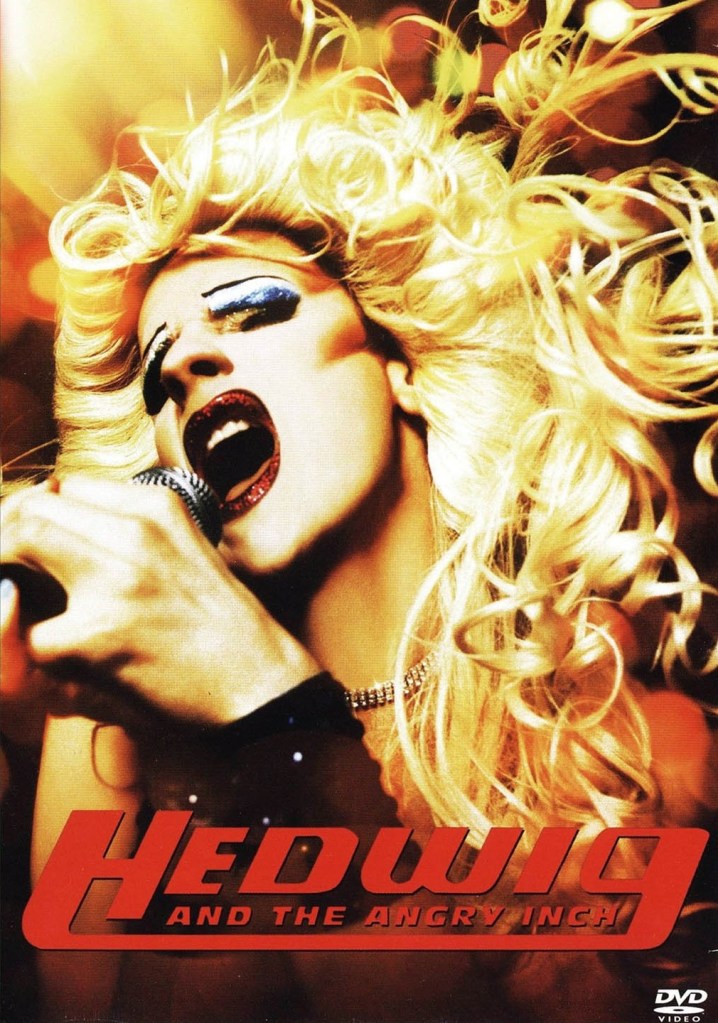
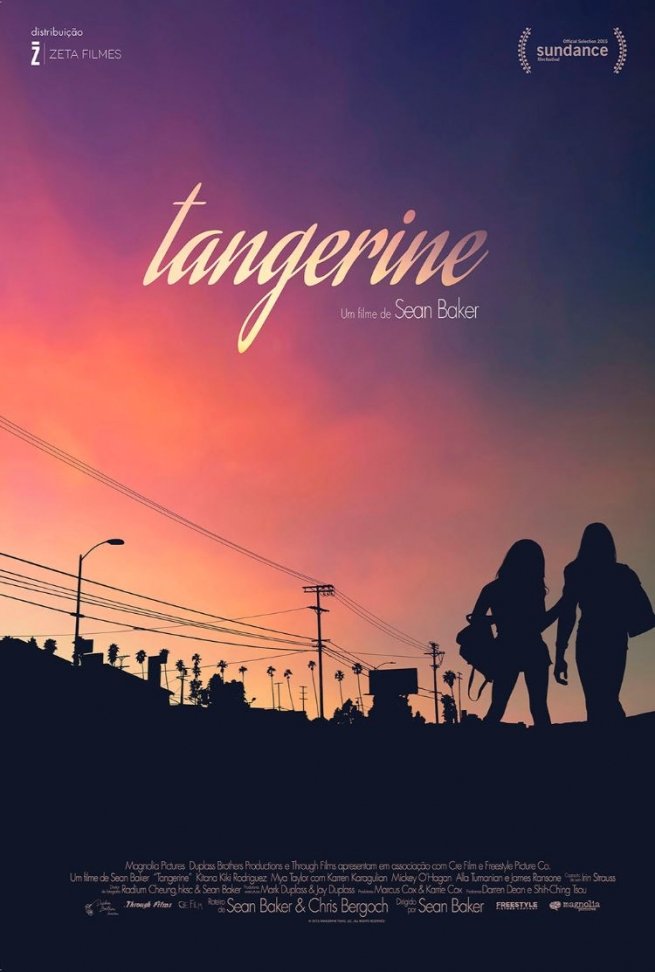
March 31st marks the annual celebration of the International Transgender Day of Visibility. For those who are unfamiliar, this day celebrates the existence, resilience, and accomplishments of transgender and non-gender conforming people all around the world. It is a day that can also serve to educate others on issues which the transgender community continues to face and the work which remains to be done for us to evolve into a trans-inclusive society. In honor of this day and the huge strides made by transgender artists who continue to push for the visibility of these stories, our Multimedia Department is putting a spotlight on items in our collection that represent different aspects and perspectives from the transgender experience. As trans artist and activist Janet Mock (Pose, Surpassing Certainty) puts it “Trans people are not a monolith. We come from many different experiences and backgrounds . . . (Mock J. as cited by Ifeany, K. C., 2016). We hope that in making these stories easier to find, so to can our transgender family and friends more easily find themselves.
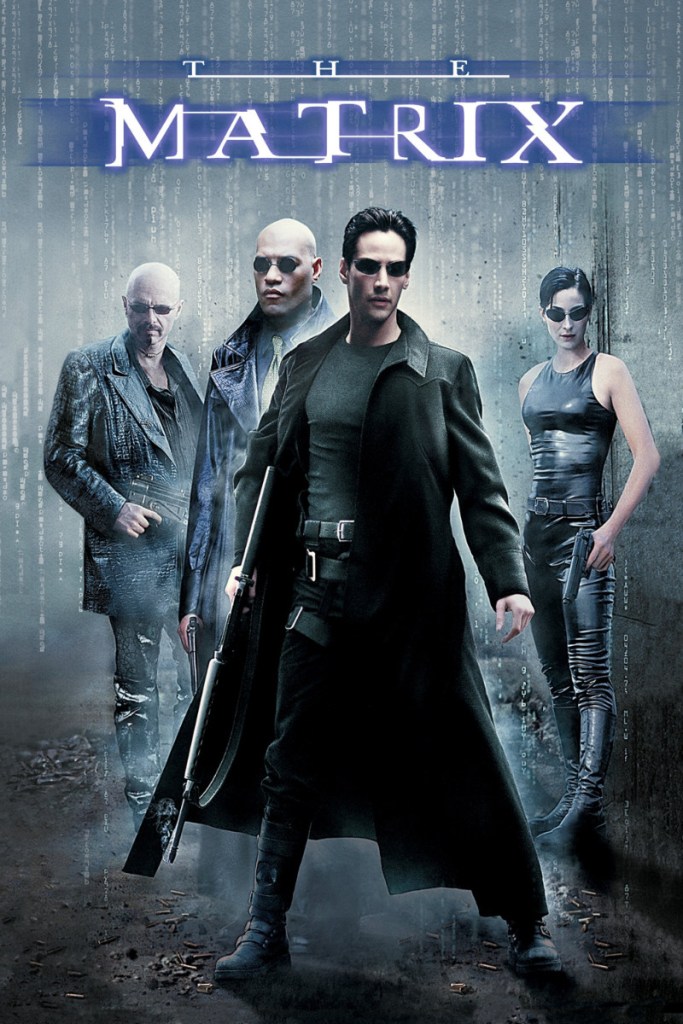
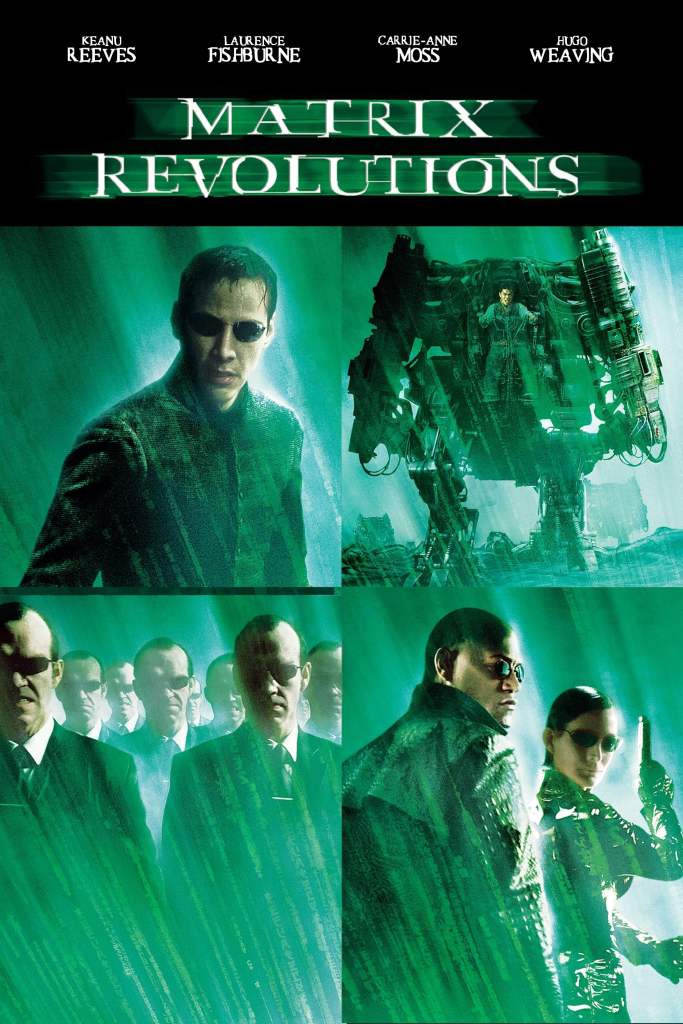
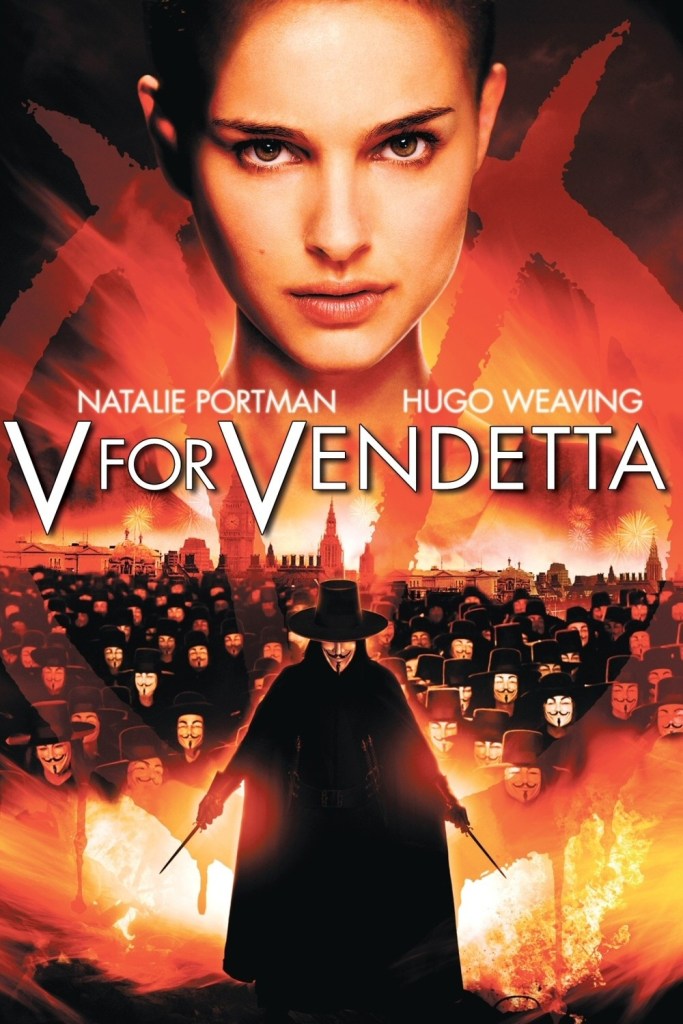
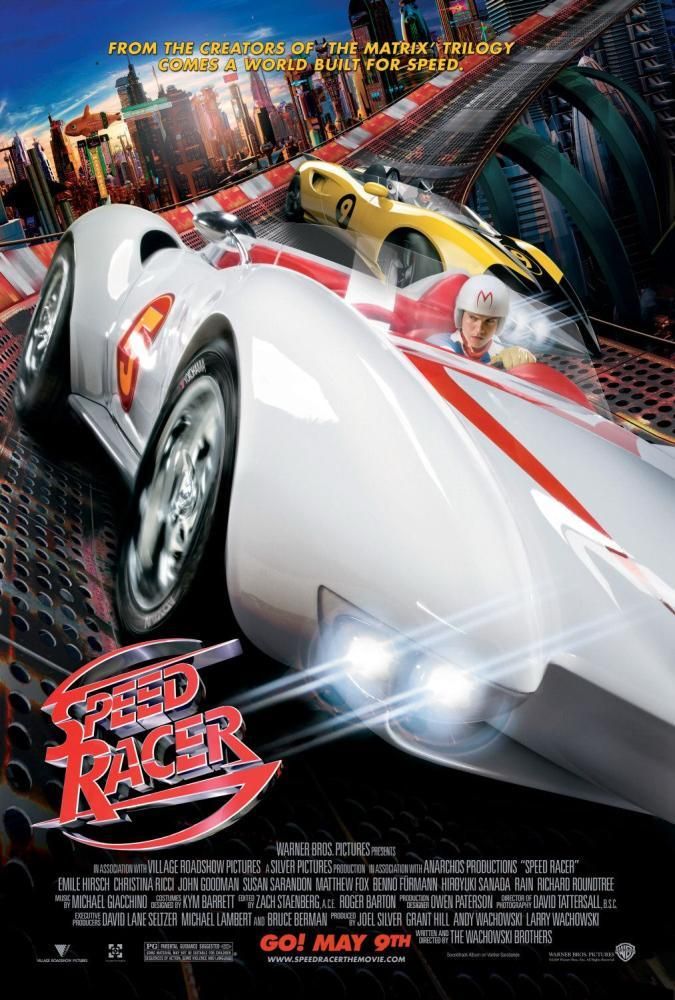
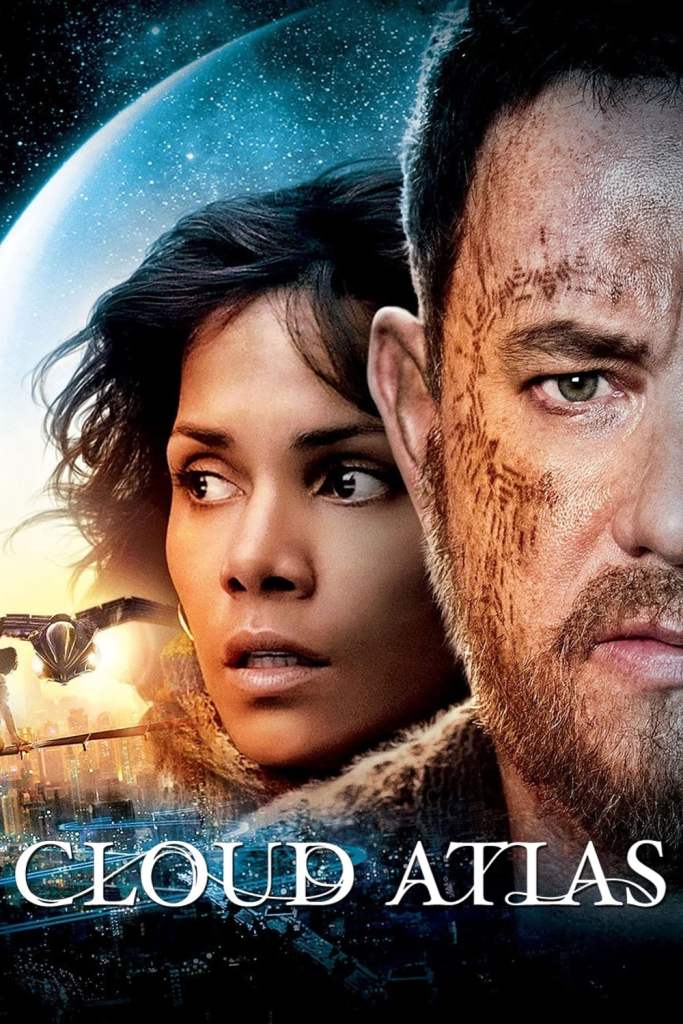
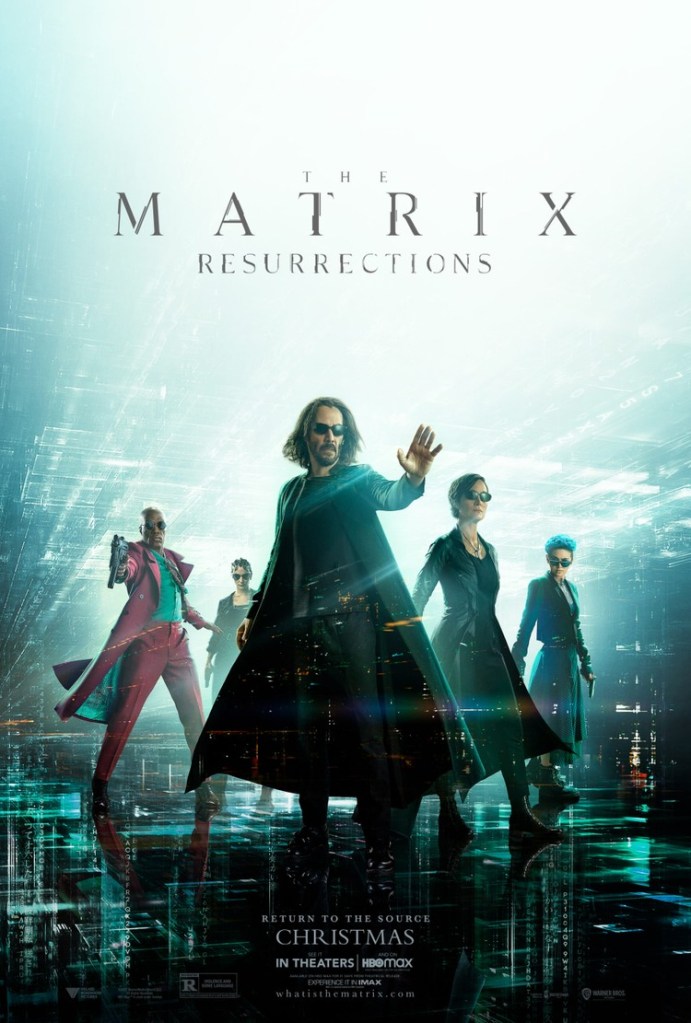
In 1999, the Wachowskis forever altered cinematic language with what was, at that time, only their second film. That film was The Matrix and, upon its release, it completely revolutionized filmmaking both through its technical approach as well as its screenplay, which presented radically new ideas and concepts film-goers had never before been exposed to. It was a clear game changer for the medium of film which broke down story telling barriers for years to come. In 2010 they broke down barriers of different kind when Lana Wachowski came out to the world as a trans woman. Her sister, Lilly also came out publicly as a trans woman in 2016. As world-famous filmmakers, the Wachowski sisters’ transition was a journey which occurred under the spotlight of the media, which certainly helped wake up many outsiders to the narrative of the trans experience. Their established profiles as beloved blockbuster film-makers also made their public transition a tangible example which closeted or questioning trans people could identify and connect to. Because of their courage to live as their true selves, they have helped others to realize they are not alone, inspiring many to live out their truth. Lilly and Lana Wachowski are both, in a word: uncompromising. It is what continues to make them such boundary breaking figures. They continue to push the boundaries of film-making to this day, constantly fighting for the integrity of their artistic vision, even when it challenges the comfort of our pre-conceived notions of story-telling. Continuing on in their spirit of subverting expectations, Lana Wachowski shocked fans by announcing her plans to return to the Matrix with a fourth entry in the series, 18 years after closing out the original trilogy. Her fourth Matrix movie, aptly-dubbed The Matrix Resurrections, is a wholly unique film, especially among the current trend of studios reviving long dead properties. Using a clever narrative which re-sets the returning heroes into a completely new environment, Lana Wachowski creates a meta-textual commentary for her own career; one which grapples with the legacy of her original Matrix film. The Matrix Resurrections, which is now available to borrow from the Chester County Library, is a daring work of art that actually uses its existence to say something new. While much of their work has often been polarizing, whenever you watch a Wachowski film, you are watching someone’s full artistic vision.
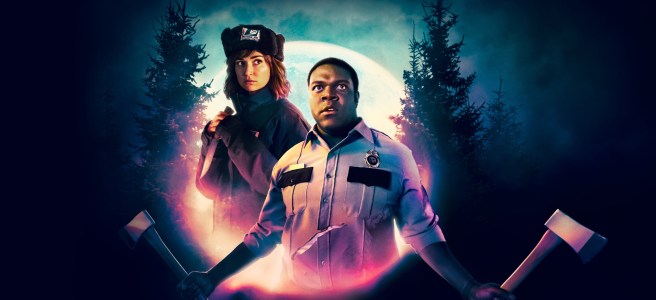
This is a humorous Sci-Fi show about an alien (played by Alan Tudyk) that crash lands near a small town in Colorado. He assumes the life of the town doctor and becomes involved in the lives of the quirky townsfolk.
This album deserves its #1 spot on WXPN’s All Time Greatest Albums list. There are so many great songs on it – “Something,” “Come Together,” “I Want You,” etc.
The wait is over! After being in development since 2005, Metroid Dread finally hit the Nintendo Switch in 2021 and, shockingly, it managed to exceed over ten years of hype.
Combining the side-scrolling action of the earliest Metroid games with the fluid functionality, slick 3-D graphics, and versatile gaming mechanics of today, this highly anticipated game brings Samus’ story to an epic conclusion well worth the wait! While the Switch’s handheld mode is fun, gamers should definitely play Metroid Dread in TV mode to get the full experience!
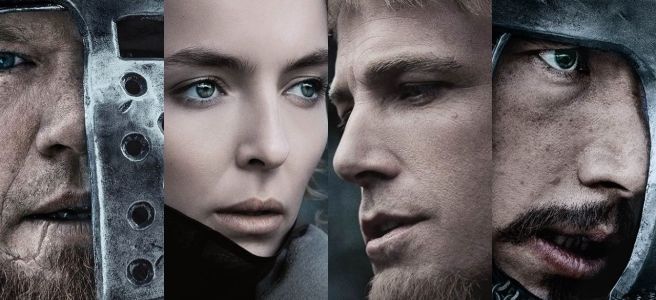
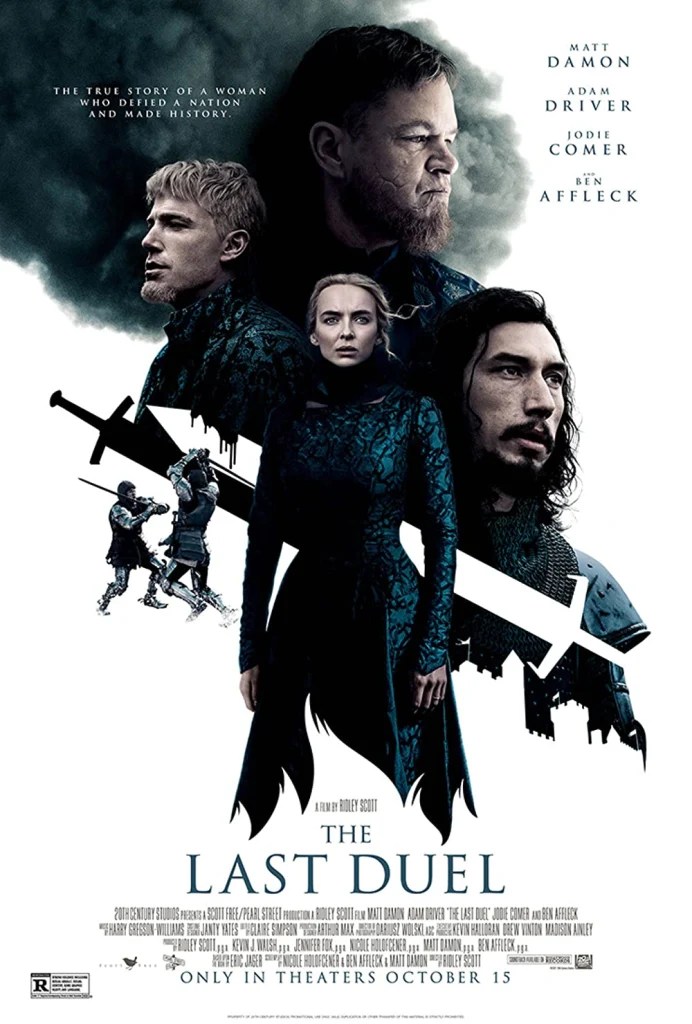
Ridley Scott, director of such iconic films as: Alien (1979), Blade Runner (1982), and Gladiator (2000) has made a big comeback in 2021 with two great films in one year: House of Gucci and, my personal pick for this month: The Last Duel
Not only does this film feel like a true return to form for filmmaker Scott, it also is the first film co-written by Ben Affleck and Matt Damon since their Oscar winning screenplay for Good Will Hunting. Much like Hunting, Affleck and Damon do double duty, both writing and acting in The Last Duel where they join Adam Driver and Jodie Comer, all of whom turn in powerhouse performances!
This film has been compared most frequently to the film Rashoman, as both are films where characters tell the differing accounts of one event. However, what makes The Last Duel unique and worth watching, is that it doesn’t leave you questioning who is telling the truth. It gives you all the answers you will need to find the truth for yourself.
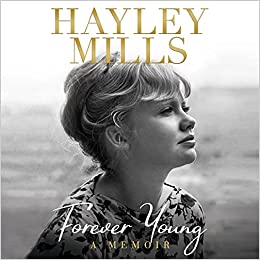
The iconic child star of such Walt Disney Studios productions as Pollyanna, The Parent Trap, and That Darn Cat!, plus non-Disney films The Trouble with Angels and TheFamily Way, narrates her life story as the sister of actress Juliet (Avanti!, TV’s Nanny and the Professor), daughter of esteemed British actor John (Great Expectations, King Rat, Ryan’s Daughter) and writer Mary Hayley Bell (Whistle Down the Wind). She does a superb job describing the glitz and glamour as well as the day-to-day joys and travails of filmmaking. Equally fascinating and compelling is her tale of coming of age. Making appearances are the Beatles, Judy Garland, and Hollywood columnist Sheilah Graham, who put Hayley onto great literature. Her education at boarding schools and a Swiss “finishing school” had been haphazard
Enthralling PBS NOVA documentary follows a male osprey from the Amazon Basin 4,000 miles to the Connecticut River Delta where he finds the previous year’s nest and welcomes back his mate. During spring and summer their three hatchlings grow to adulthood while the parents fend off such interlopers as bald eagles, other osprey and cormorants. The osprey has a 6-foot wingspan but weighs only 3 pounds, which makes it a master of the air. Osprey eat fish only but there are plenty of those in the delta.
A fantastic debut album from a striking seven-piece band, which includes a saxophone player! Definitely leans towards the angsty side of things, with multiple anxiety inducing songs and some sleazy british vocals.
Another miraculous bird, the osprey flies 4,000 miles from the Amazon basin to the Connecticut River Delta to mate, brood, catch hundreds of fish, and fend off thieving cormorants and eagles. Illuminating, beautifully photographed PBS documentary.
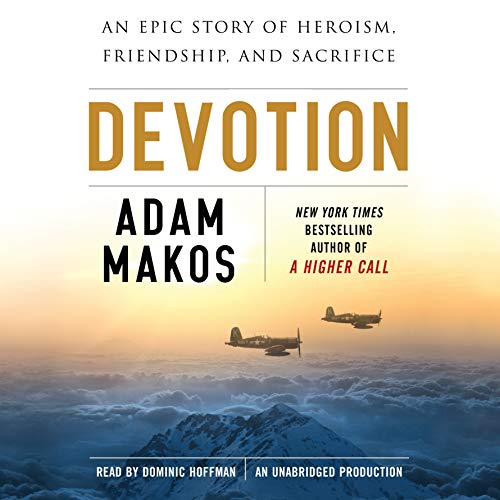
Jessie Brown, a black sharecropper’s son from Mississippi and Tom Hubner, a white son of a hardware store chain owner from Rhode Island develop a close bond while flying Navy Corsairs, distinctly sketchy WW II fixed-wing fighters converted into ground attack planes during the Korean war. Makos, author of the bestseller Spearhead: An American Tank Gunner, His Enemy and a Collision of Lives in World War II (2019) originally envisioned his tale as a magazine article but it quickly became a story so big it demanded novel length. The story moves back and forth between Jessie and Tom, air and land operations. Oddly enough, rising Hollywood star Elizabeth Taylor has a small but significant role. Provides insight into the Cold War, carrier and ground warfare, and race.
A perfect comedic feast from beginning to end that is guaranteed to make you howl with laughter! Featuring the best ensemble of fresh, new comedic talent assembled in the last 10 years and masterfully directed by up-and-coming talent: Josh Rubin; this film is the unsung gem of 2021 and guaranteed to skyrocket to cult status! Rent it now so you can be that cool friend who heard about it first.
Set in a utopian future where all of society’s monsters have been vanquished, a transgender girl named Jam accidentally brings a creature named “Pet” to life from one of her mother’s paintings. Pet tells Jam that there are indeed still monsters living among them and that it is there to hunt one which resides within the family of her best friend. Wholly unique and raw, Pet serves as a commentary on abuse in many forms and the healing power of facing uncomfortable truths with those who love and support you. (Trigger warnings as the material does touch upon characters dealing with sexual abuse.)
This greatest hits compilation covers the Irish singer’s first eleven years (1986-1997) and four albums. It includes her biggest song, a cover of Prince’s “Nothing Compares 2 U,” along with her overseas hits and some rarities. If you like her Prince cover, then check out this compilation to discover some more of her great songs.
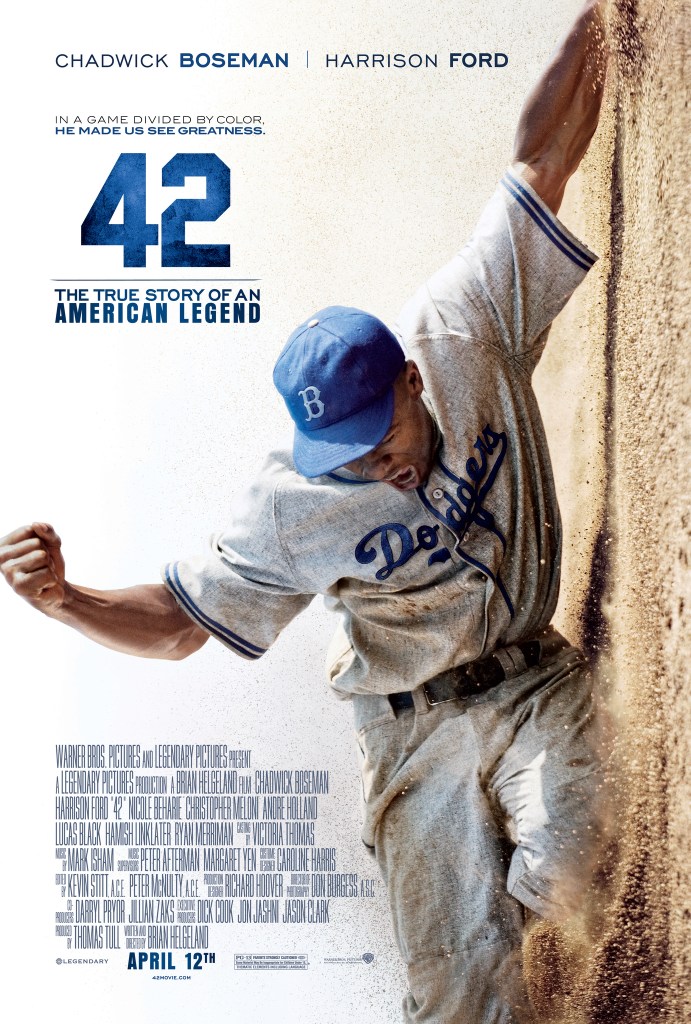
Chadwick Boseman gave a great performance portraying Jackie Robinson. He brings to life the struggles and triumphs of Jackie Robinson’s race barrier breaking joining of the Brooklyn Dodgers.


















































 Stay Connected with Chescolibraries