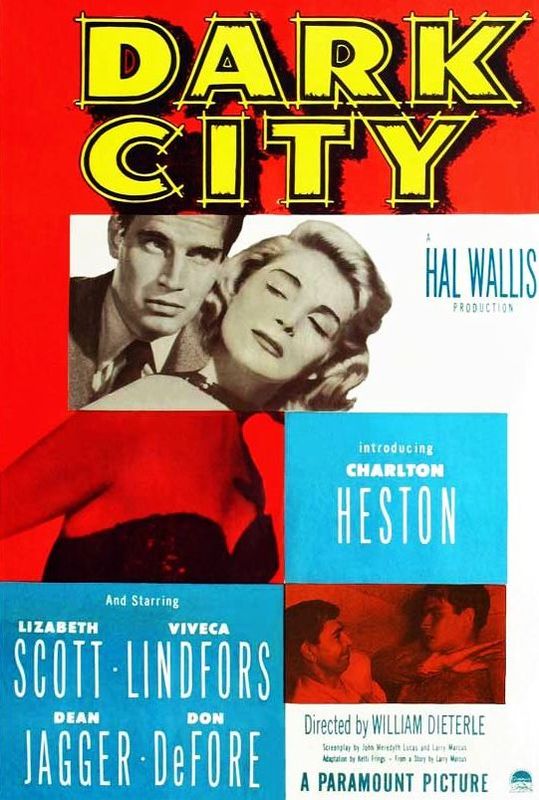
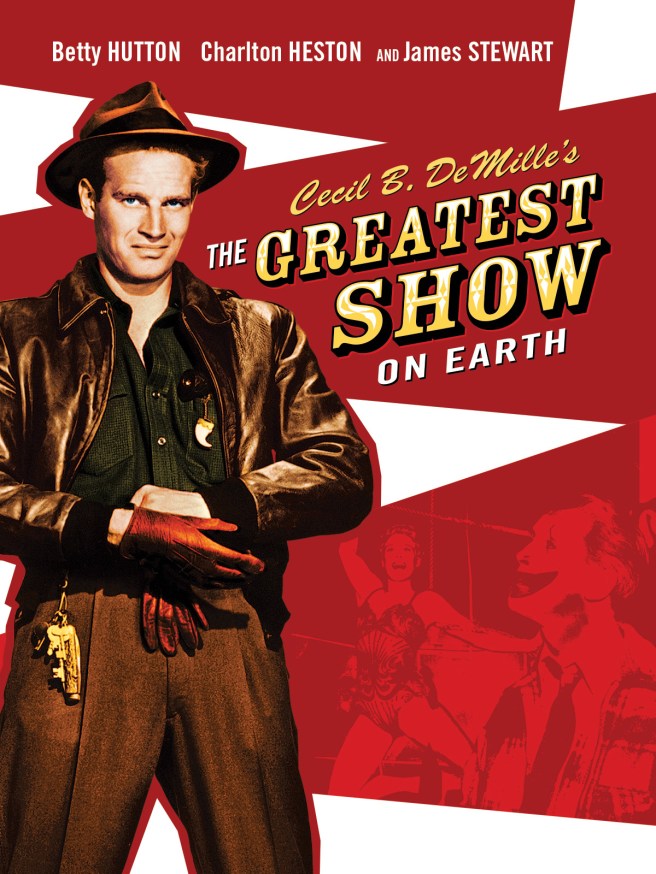
Charlton Heston was a leading man in his first movie, the noir Dark City (1950), and in 1952 famed director Cecil B. DeMille chose him to headline The Greatest Show on Earth, the eventual Best Picture Academy Award winner. That led to another DeMille epic, The Ten Commandments (1956) with Heston as Moses. Heston’s physical stature was perfect for such films, as Laurence Olivier observed. In 1959 he won the Best Actor Academy Award for the title role in that most honored Biblical extravaganza, Ben-Hur. That was followed in 1961 by yet another medieval epic, El Cid, with Heston as the Spanish knight negotiating his way between Christian Castile and the Muslims controlling southern Spain. On a more modest scale came The War Lord (1964). The knight Chrysagon (Heston) is entailed with protecting a Norman community threatened by Frisian marauders.
An assortment of roles followed in various genres, some good, like the western Will Penny (1968), some merely fair like the WW II suspense film, Counterpoint, also 1968.
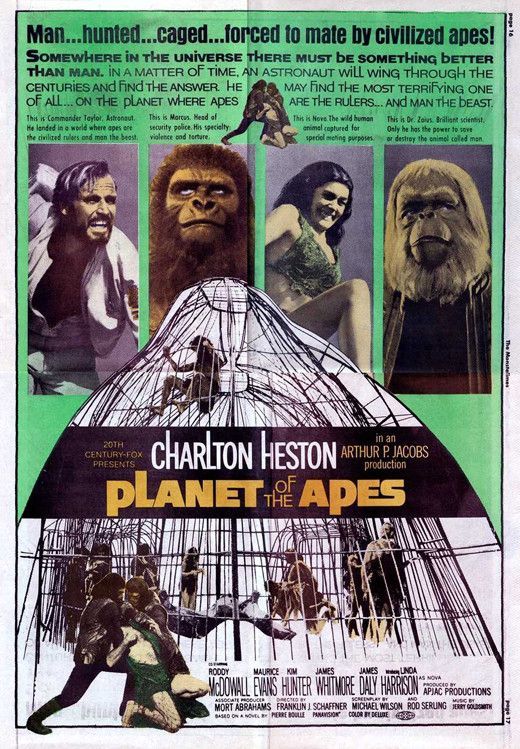
The third time was the charm: Planet of the Apes. Writer and teacher Robert Castle wondered if Apes won the Honorary Academy Award for Makeup because the voters thought the primates in the same year’s 2001: A Space Odyssey were actual apes! So, 1968 was a key year in science fiction, which had been playing second fiddle to Hammer Studios’ horror films in the realm of the fantastic. Apes and 2001 resuscitated the genre, and both were commercial successes.
In his autobiography In the Arena, Heston said after finishing the Planet of the Apes shoot on schedule he had a drink with director Franklin Schaffner and told him, “I smelled a hit in this from the beginning,…” He was correct. “It not only grossed enormous numbers, it created a new film genre: the space opera.”
In 1971 the second outing in what would be a sci-fi triptych for Heston was The Omega Man, a new version of Richard Matheson’s tale of a future earth after a biological holocaust decimated the population and turned some into mutants—or vampires. It followed the Italian rendering, The Last Man on Earth (1964) with Vincent Price and preceded the high tech I Am Legend (2007) with Will Smith. The Omega Man has several gripping scenes, e.g., Heston driving through a desolate Los Angeles; pulling a sheet from what he imagined to be couple of mutants but instead discovers the desiccated corpses of two lovers; battling his way back into his garage at nightfall against the crazed, robed and anti-technology survivors of the plague who now call themselves the “Family.” Ron Grainer’s score enhanced the action.
In In the Arena, Heston said the shoot went smoothly and swiftly and was his first hit in four years. He liked the final product. “It’s become something of a cult film since, still pumping in checks every so often. I think we’d had a chance to make a really fine film of Omega, but I was quite willing to settle for a merely successful one at the time.
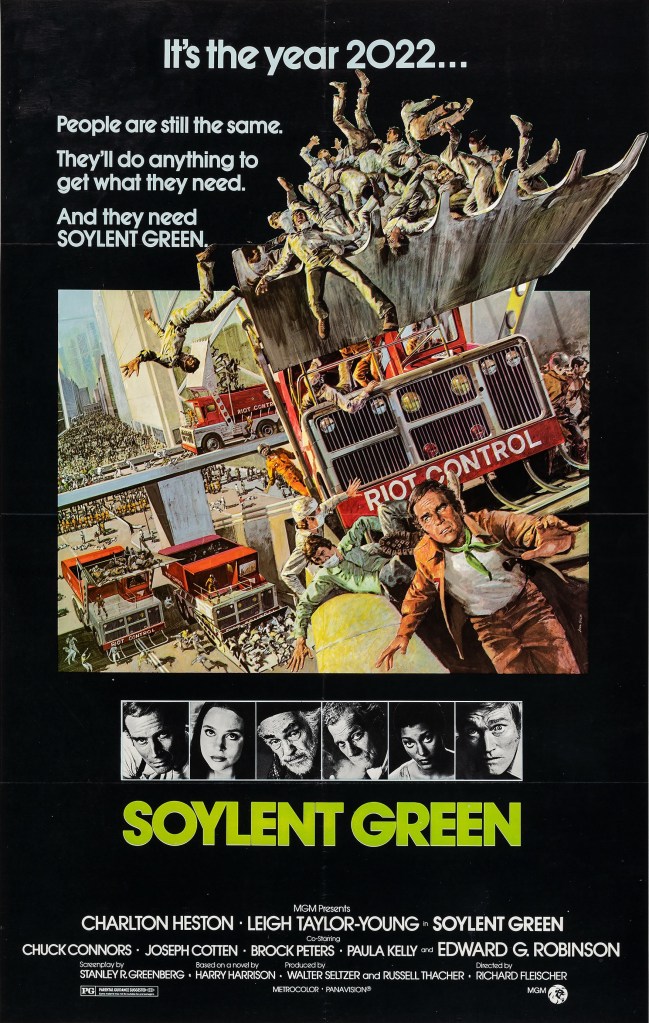
Soylent Green (1973) was, like The Omega Man, a bit “under-funded” but nevertheless possessed of some arresting scenes. Heston played Detective Thorn, who in 2022 investigates a murder that leads to a shocking revelation. Just what is the stuff people are eating? Issues tackled include overpopulation, dying oceans, pollution, and the greenhouse effect. Sound familiar?
References
Heston, Charlton. The Actor’s Life: Journals 1956-1976. 1978.
On November 3rd of 2014, an animated mini series called Over the Garden Wall was unceremoniously released onto Cartoon Network with almost no fanfare or hype, despite a cast which featured the likes of Elijah Wood, Christopher Lloyd, and John Cleese. The mini-series seemed to simply roll in with the autumn wind and ever since its brief 10-episode run from November 3rd to November 7th, it has become beloved as an autumnal re-watch, building legions of fans with each passing year. So what is it about this humble little “cottage-core” show that has caused it to amass such a massive fan base?
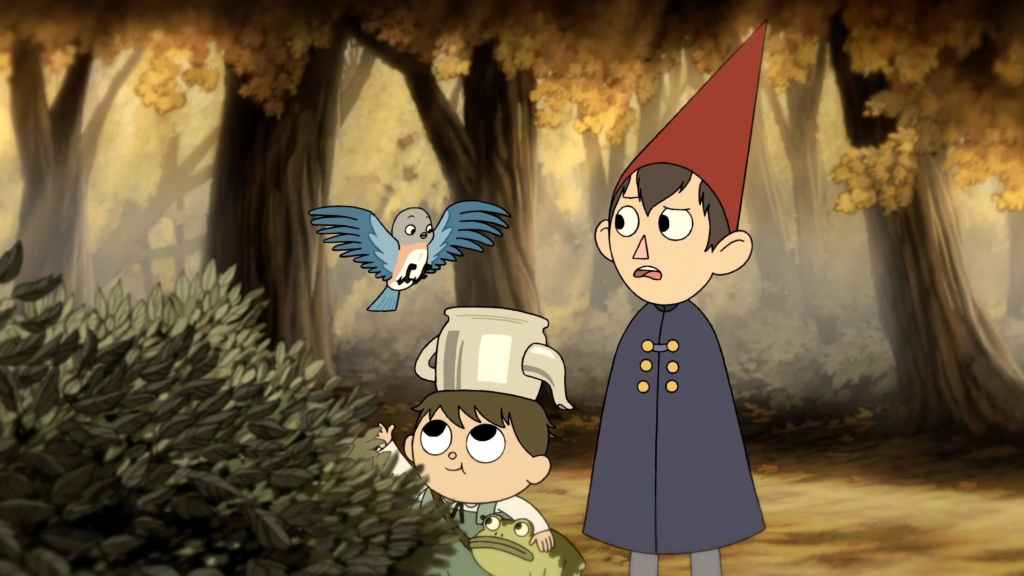
If you have never seen Over the Garden Wall, the story follows two children: Wirt (voiced Elijah Wood) and his much younger half-brother Gregory (voiced by Collin Dean), who have found themselves lost within a mysterious forest called “The Unknown”. With the aide of a talking bluebird named Beatrice (Melanie Lynskey), the boys try to find their way back home through the increasingly weird and spooky situations that each new environment thrusts them into. Each episode is structured around the trio wandering into a radically different area of The Unknown where they will encounter new characters, new problems to solve, and new clues to help solve the overarching mystery of the woods.
(Beatrice, Greg, and Wirt’s first meeting in the mysterious woods)
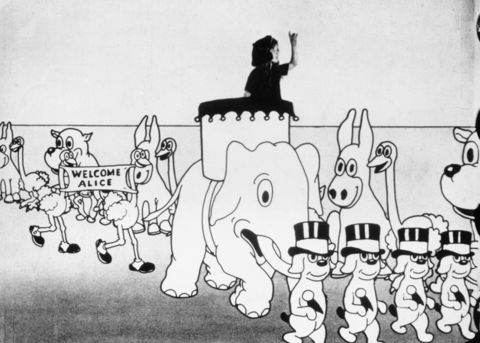
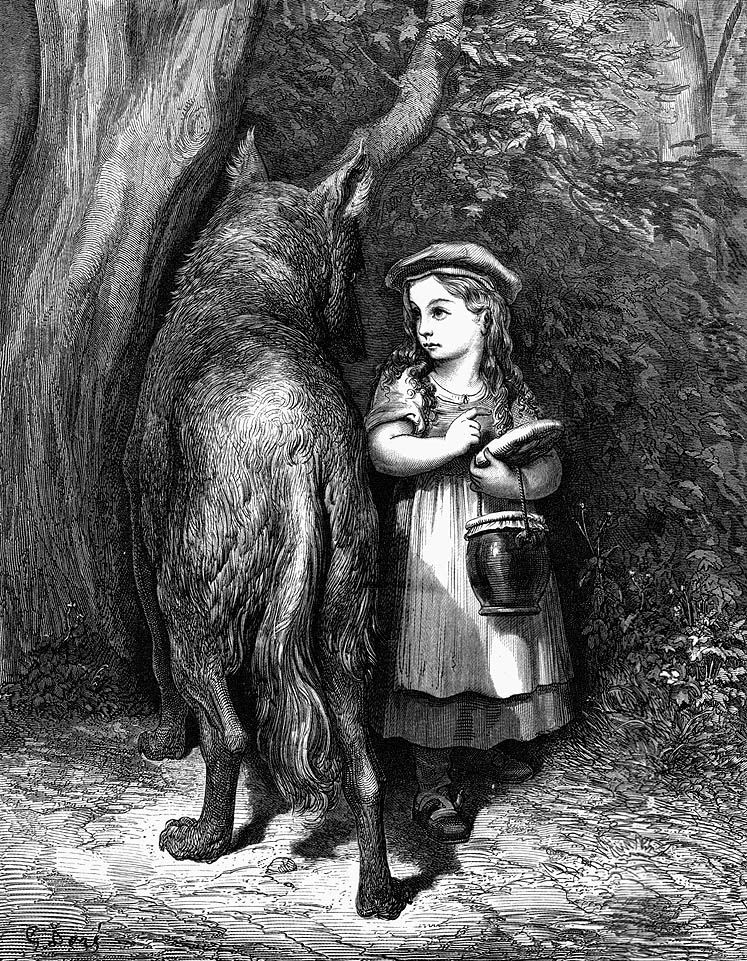
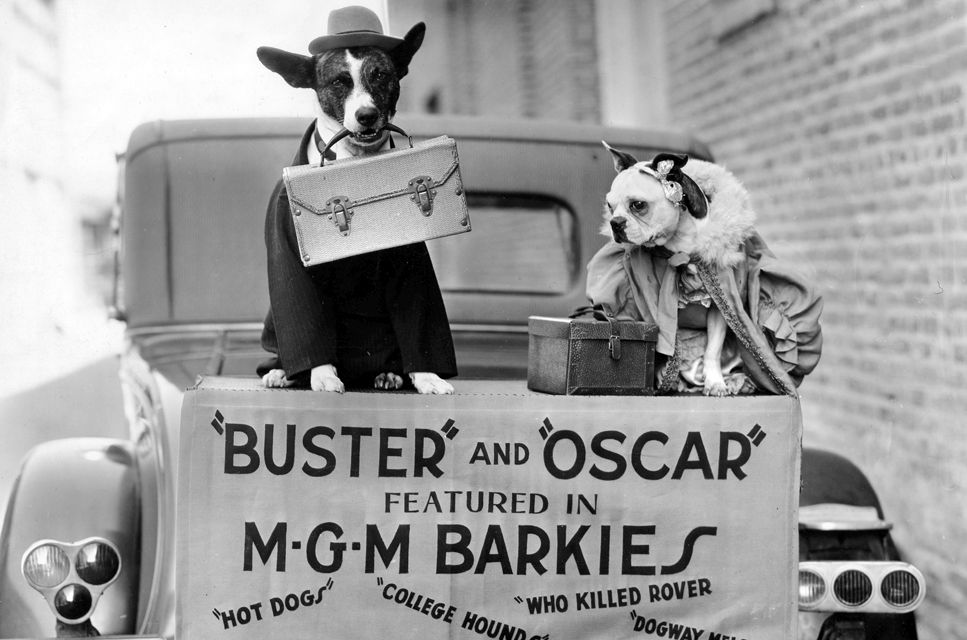
On paper that may seem like a fairly vague and possibly even “garden-variety” fairytale structure, but the success of Over the Garden Wall comes from its unique voice, proving that how a story is told is just as important as the story itself. Over the Garden Wall is primarily the brainchild of it’s creator and showrunner Patrick McHale, a man who was no stranger to the world of children’s animation or Cartoon Network for that matter. Prior to Over the Garden Wall, McHale had already built a strong relationship with Cartoon Network, previously working on such series as The Misadventures of Flapjack and the cultural phenomenon that was Adventure Time; a show whose style of humor and visual aesthetic still serves as the main influence on the landscape of modern children’s cartoons. It feels important to note Adventure Time, in particular, as it may be the closest comparison point that comes to mind when recommending this series. However, I would argue that the similarities between the two begin and end with their post-modern sense of humor, which bounces back and forth between being completely earnest one moment and joyfully flippant in the next. When it comes to their visual aesthetics, however, the two shows are night and day. Where Adventure Time’s art design is extremely modern, deploying its bright neon color palate to craft an environment so sugary it could give you a cavity, Over the Garden Wall is decidedly old-fashioned and familiar. Many fans have commented on their love for the atmosphere and art design of Over the Garden Wall, specifying that it manages to feel extremely familiar while remaining deceptively hard to identify what is so familiar about it. According to McHale, the show’s aesthetic was the culmination of a variety of different influences “including children’s books of the 1800s, folk art and American music from the early 20th century” (Day, 2014, para. 6). In a 2014 interview with the Los Angeles Times, McHale states “There are a lot of layouts borrowed from Gustav Doré . . . And also from Disney’s early ‘Alice’ shorts” (Day, 2014, para. 7).
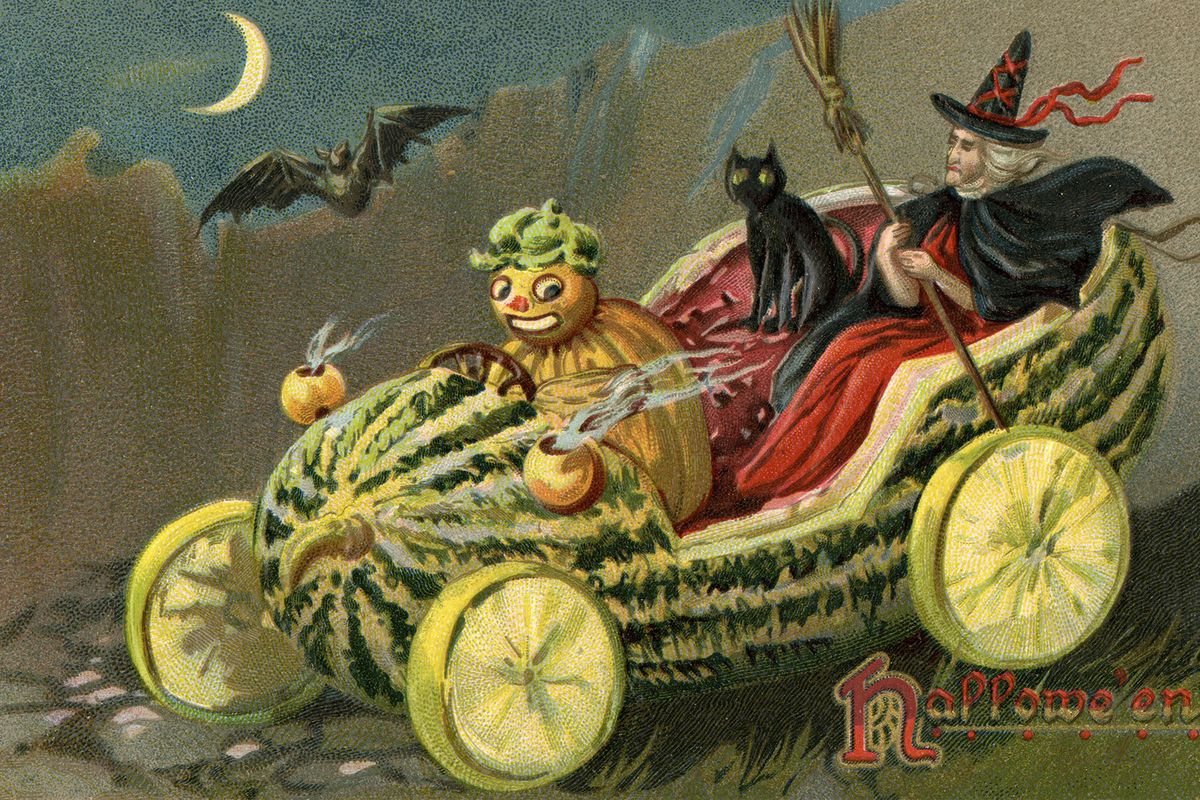
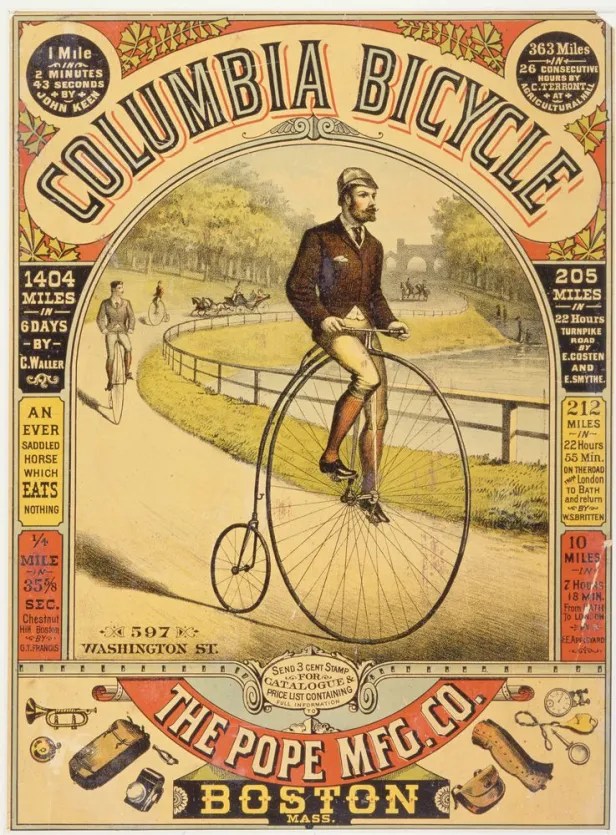
For those who may be unaware Gustav Doré was a French illustrator renowned for wood-engraved illustrations. Some examples of his work can be seen in “The Divine Comedy” and “Paradise Lost”. As for the Disney Alice shorts’; in the 1920s, the Walt Disney company made shorts that were half live-action and half animated. Some other notable artistic influences are illustrations from old Hans Christian Andersen stories such as The Tinderbox, the “Dogville Comedies” shorts, vintage Halloween postcards, and chromolithography. All of these different visual influences become enmeshed to create the overall look of the show and it is truly astonishing how well each one fits together and serve to compliment each other. It is this level of care and detail that manages to serve the overall mood of the story; a seemingly warm and friendly mood that contains unexpected complexities and dimensions for both its characters and the story itself.
Visual Influences of Over the Garden Wall
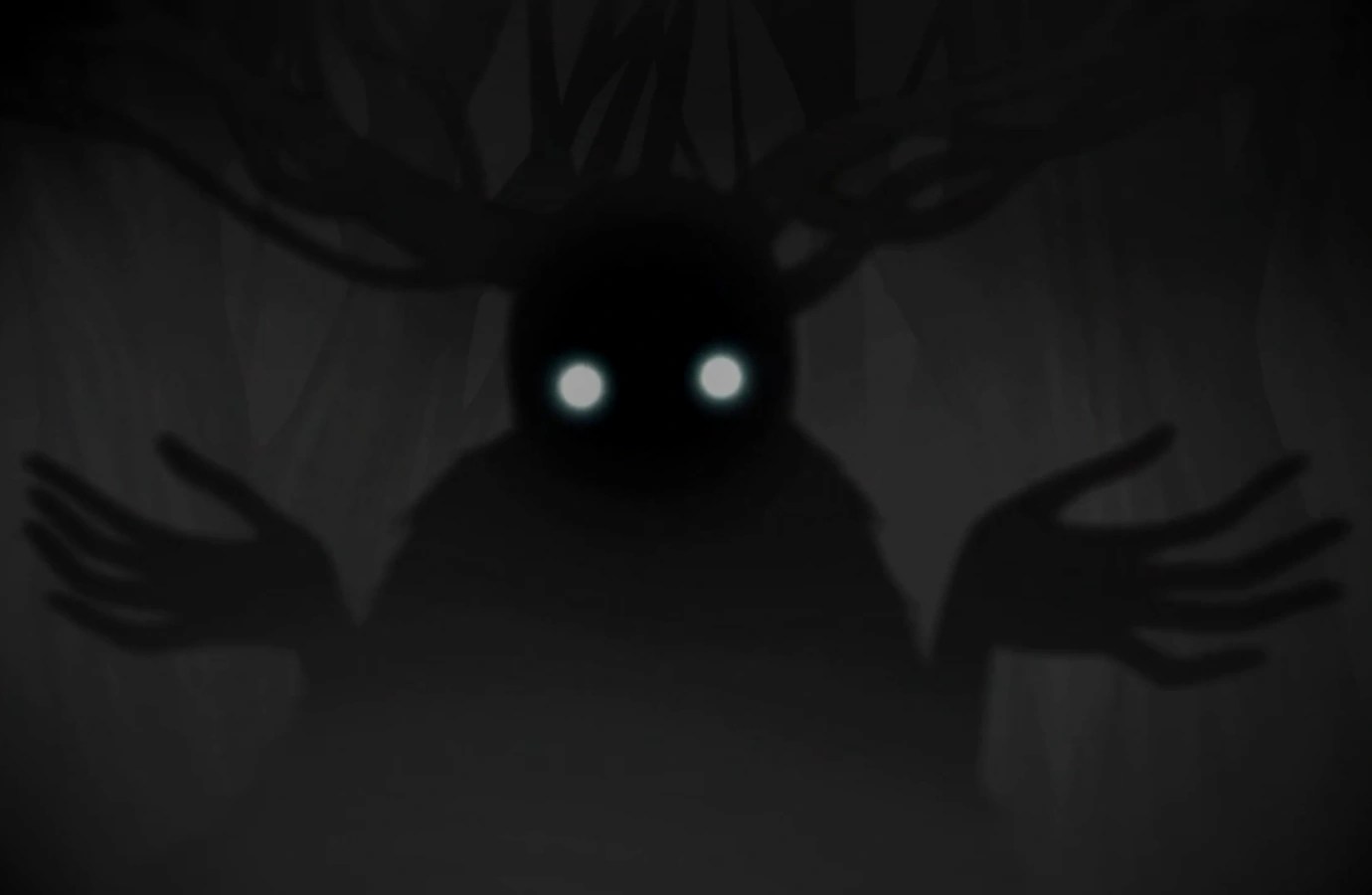
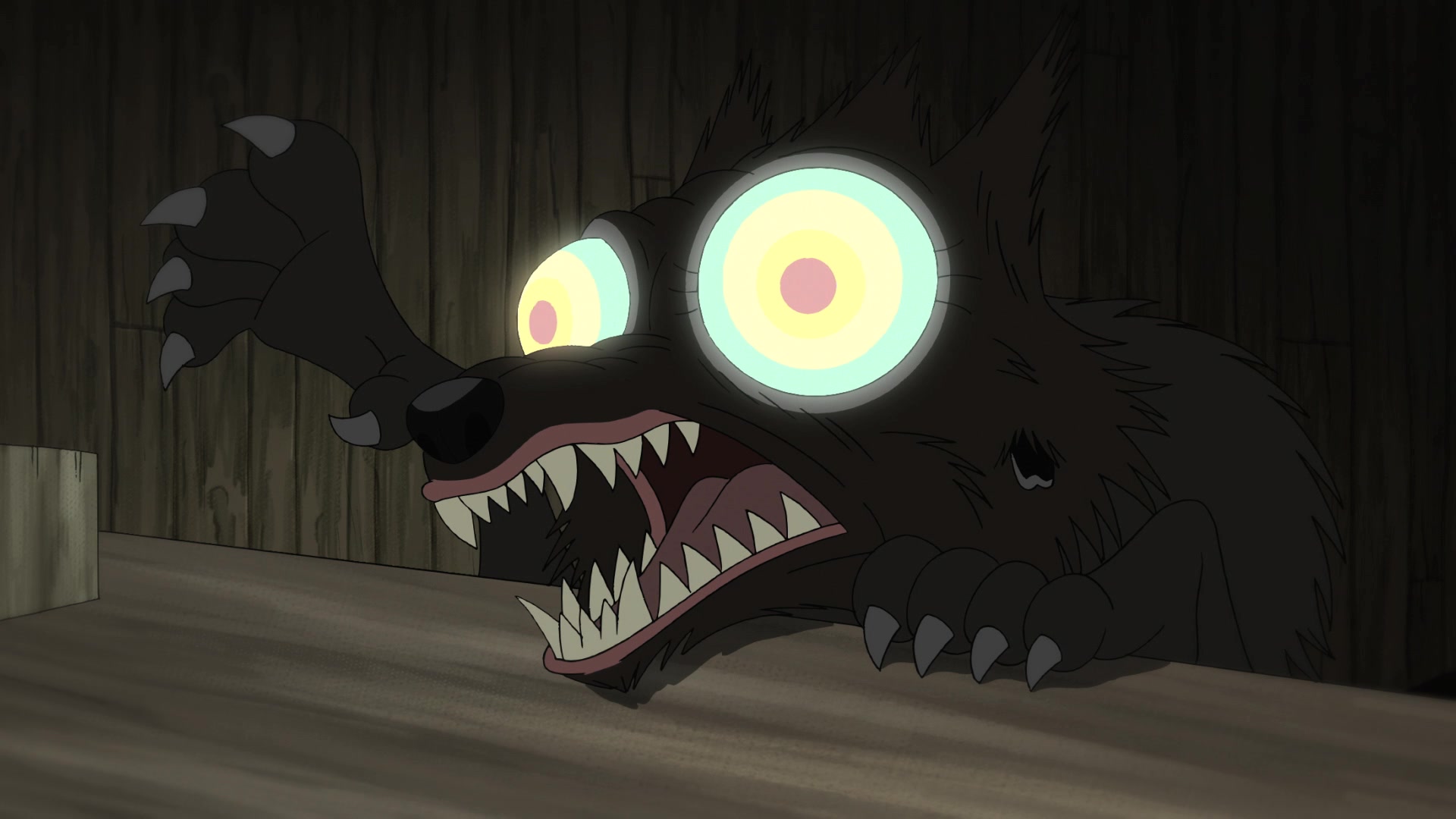
One such added dimension is that the show takes on a noticeably darker tone with each episode, giving its protagonists real stakes and imbuing their circumstances with tangible weight. While a perfectly appropriate show for most families to watch together, there does tend to be some darker elements involving spooky situations or creepy looking monsters that may prove a bit too scary for some of the younger viewers. However, it is these surprisingly darker elements that make the program feel truly unique among much of today’s children’s programs; many of which avoid age-appropriate elements of suspense and horror all together for fear of negative backlash. This well intentioned choice can unfortunately result in content that talks down to children or patronizes them.
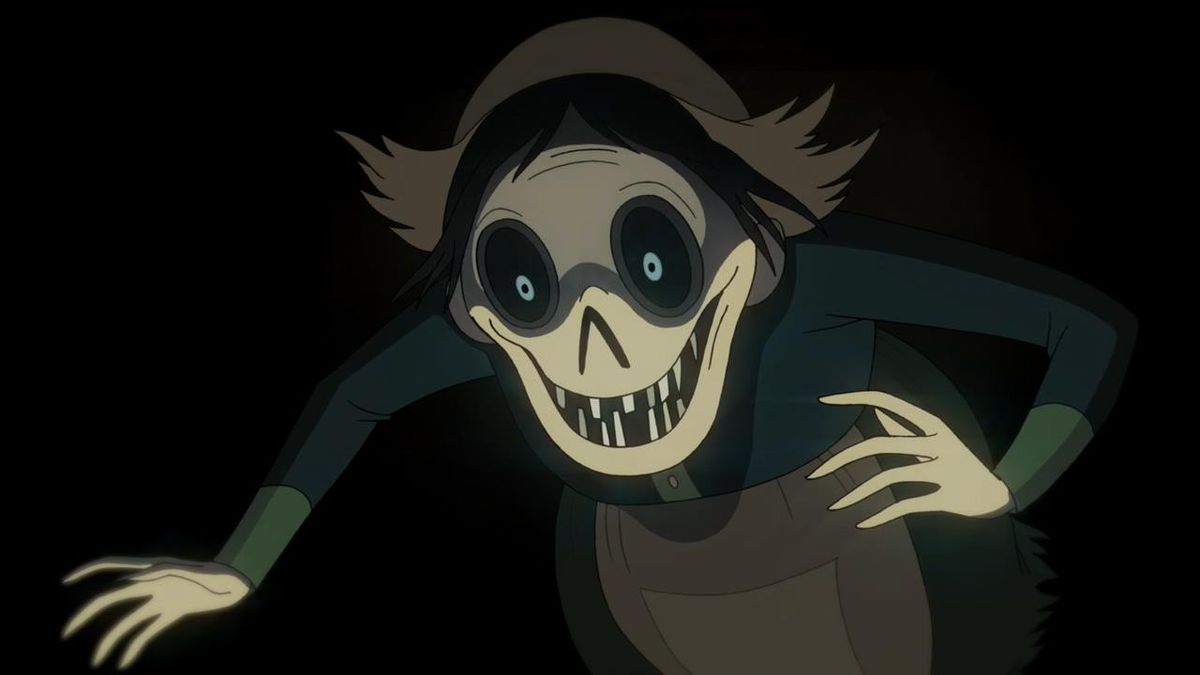
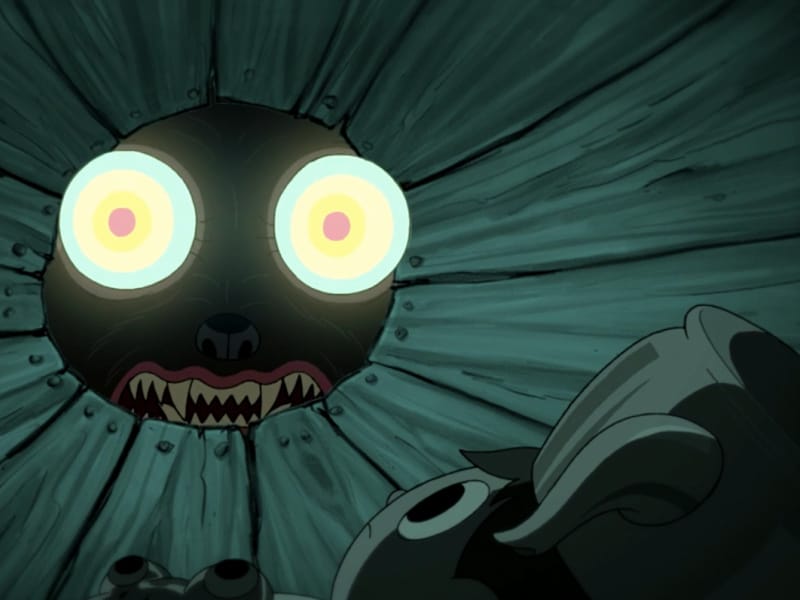
While the show arguably never strays too far into the Horror genre, it does allow itself to provide moments of true suspense and age-appropriate scares. This choice is one that is very much fitting with the subject matter of the show. McHale uses the more nightmarish imagery in a way that feels like he is acknowledging the roots of children’s fables from its earliest days. In fact, the majority of well-known children’s fairy tales are often greatly altered from the original versions which were often very horrific. (Look up the original versions of such stories as The LittleMermaid and Pinocchio if you don’t believe me.) While this is fun part of the show’s dynamic, the elements of horror would be nothing without the magic that lies at the heart of the story: the half-brothers Gregory and Wirt.
Moments of horror in Over the Garden Wall
Beyond the horror, beyond the humor, beyond the beautiful painted vistas of the show’s art direction; I believe that Over the Garden Wall has become a beloved piece of pop culture because of the story at its center: a story about the relationship between anxiety-ridden teenager Wirt and his silly, carefree, 5-year old brother Greg. There is something so simple, so elemental about their dynamic that their characters feel practically timeless. While much of their adventures has a humorous tone, the show does build to a truly cathartic and heartfelt conclusion which focuses heavily on the still newly burgeoning relationship between the two half-brothers. McHale and company do a truly great job developing such iconic new characters in Greg and Wirt that you instantly fall in love with; Greg in particular who was voiced by a real child which gives his character a special added layer of authenticity. In fact, even though seasoned veterans of the screen such as Wood and Lynskey deliver excellent performances, it is undeniably 9-year old Collin Dean (Greg) who steals the show.
In trying to synthesize why this mini-series has become a yearly re-watch for so many people, myself included, it is easy to see that there is a lot to love. It is genuinely funny for people of all ages; the art direction for the show is incredible; the central characters are lovable, and the performances are all top notch. But, if we are being completely honest, it’s also probably the fact that the show is brimming with Autumnal imagery and its the perfect thing to get you in the mood for the fall season.
So throw on your comfiest fall sweater, pour yourself some hot apple cider, and curl up with your family to start a new yearly ritual with this seasonal treat!
By Eric
References
Day, P. K. (2014, October 3). ‘Over the Garden Wall’ gets lost in creator’s imagination. Retrieved September 21, 2022, from ‘Over the Garden Wall’ gets lost in creator’s imagination
Our Adult Book Groups are a mix of in person, hybrid, and virtual programs. Please see our October titles and dates below. The online groups are being held via Zoom. We are requiring registration for the book groups in order to send out the Zoom meeting information, if applicable. Click on the date below to register. Information on our adult book groups can also be found on our website: https://bit.ly/chescolibs-bookgroups.
Registration is required for all book groups. Registration will close at least 2 hours prior to the scheduled start time of the book group. A Zoom link will be emailed to registrants 2 hours before the book group starts. Make sure to check the email address you registered with to receive the link. You do not need a Zoom account to attend the virtual book group.
These programs support the PA Forward Civic and Social Literacy Initiative.
Due to the easing of COVID restrictions, the Board of Trustees of the Chester County Library System/Chester County Library will now be hosting their monthly board meeting as a hybrid offering. If you have always wanted to attend a meeting but haven’t had the time, this is your opportunity. Please click on this link at 8:30 a.m. on Tuesday, September 20 to join the Chester County Library System Board Meeting virtually; or attend in person at the Chester County Library, 450 Exton Square Parkway, Exton, PA. The Chester County Library Board Meeting will immediately follow. Find the Chester County Library Board Packet here.
If you are a person with a disability and wish to attend this meeting and require an auxiliary aid, service, or other accommodation to observe or participate in the proceedings, please call Chester County Library’s Administration Office at 610-344-5600 or email lharshaw@ccls.org to discuss how we may best accommodate your needs.
Chester County Library will host several social service organizations that offer assistance with various housing needs. Stop by the Reference Department between 9:30am-12:30pm to gather information, discover available services, build contacts, and improve your situation. The following organizations will be in attendance:
211/United Way of Chester County
Chester County Department of Aging
Chester County Department of Community Development
Chester County Food Bank
CHOP Homeless Health Initiative
Domestic Violence Center of Chester County
Friends Association for Care & Protection of Children
Sheri Houpt, a Housing Counselor from the Housing Partnership of Chester County, will also be holding Credit Workshops in the Story Time Room at 10:00, 11:00, and 12:00. Without good credit, it is nearly impossible to secure proper/stable housing, whether renting or purchasing. It can hinder you from securing a job and can impact the amount you pay for loans and insurance. During the workshop, HPCC will cover the basic principles everyone should understand including how credit is reported, the credit bureaus, FICO scores, and how to improve your credit situation.
The mission of the Chester County and Henrietta Hankin Branch Libraries is to provide informational, educational, and cultural services to the residents of Chester County so that they may be lifelong learners. Chester County Library & District Center is located at 450 Exton Square Parkway, Exton, PA. For hours or more information, visit our website at www.chescolibraries.org.
September is Library Card Sign-up Month when libraries nationwide join the American Library Association (ALA) to remind parents, caregivers, and students that signing up for a library card is the first step on the path to academic achievement and lifelong learning.
Libraries play a crucial role in the education and development of children, offering a variety of programs to spark creativity and stimulate an interest in reading and learning. Through access to technology, media resources, and educational programs, a library card gives students the tools to succeed in the classroom and provides people of all ages opportunities to pursue their dreams, explore new passions and interests, and find their voice.
Throughout the school year, public librarians and library staff will assist parents and caregivers with saving hundreds of dollars on educational resources and services for students of all ages. A library card is one of the most cost-effective back-to-school supplies available! For younger children, we offer early literacy resources to help them learn to read and encourage school readiness.
For older children and teens as well as our adult patrons, we provide access to technology and digital tools such as 3D printers, crafting and sewing equipment, STEM kits, laser-cutting, computer programming, self-publishing resources, welding, virtual reality programs, collaborative workspaces, and GED resources. With a library card, families can also borrow one-day passes for free to visit various educational and cultural museums and historic sites in Pennsylvania, New Jersey, and Delaware with our Museum Pass Program.
Don’t know what to read next? Let our librarians help you with personal reading suggestions. Perhaps you want to learn a new language or research your family tree. With the wide knowledge of our Reference librarians and free access to numerous databases such as Mango Languages, Ancestry Library Edition, and The New York Times we have you covered. Apart from our extensive multimedia and book collections and Reference databases, we also offer 24/7 online access to eBooks, eAudiobooks, and magazines with services such as Libby by Overdrive and Flipster. Our Business and Career Center offers job, career, and personal finance resources and workshops as well as free wireless Internet access to the public for use with personal laptops and other mobile devices.
This year, Tony Award-winning performer, actress, singer-songwriter, and philanthropist Idina Menzel (Frozen, Wicked) and her sister, author, and educator Cara Mentzel, will serve as honorary chairs of Library Card Sign-Up Month. Idina and Cara are excited to remind everyone that one of the best places to find your voice is at the library. During Library Card Sign-Up Month, they want us to explore all the library has to offer, like-new children’s books, access to technology, and educational programming. “It’s a little card that goes a loud way. Let your imagination sing at the library,” said Mentzel.
Since 1987, Library Card Sign-up Month has been held each September to mark the beginning of the school year. During the month, Chester County Library and its Henrietta Hankin Branch, along with libraries everywhere, continues to adapt and expand services to meet the evolving community needs. To sign up for a library card or to learn more about the library’s resources and programs, please visithttps://bit.ly/3RtxepK.
The mission of the Chester County Library System is to ensure that every resident has access to exceptional opportunities to read, learn, create, connect and contribute to a better quality of life. For hours or more information regarding our 18 library locations, please visit our website at www.ccls.org.
Our Adult Book Groups are a mix of in person, hybrid, and virtual programs. Please see our September titles and dates below. The online groups are being held via Zoom. We are requiring registration for the book groups in order to send out the Zoom meeting information, if applicable. Click on the date below to register. Information on our adult book groups can also be found on our website: https://bit.ly/chescolibs-bookgroups.
Registration is required for all book groups. Registration will close at least 2 hours prior to the scheduled start time of the book group. A Zoom link will be emailed to registrants 2 hours before the book group starts. Make sure to check the email address you registered with to receive the link. You do not need a Zoom account to attend the virtual book group.
These programs support the PA Forward Civic and Social Literacy Initiative.
As in many other fields, from politics to race to women’s rights and culture in general, the 1960s was a boiling cauldron. So it was with movies, often then given the more prestigious appellation, the cinema. The movies discussed below are those that transformed film, some in a minor, others in a major way.
In the sixties, film was taken more seriously by more people, especially coming of age baby boomers. The cinema was deemed worthy of deep examination. There was subtext. More and more books appeared on the shelves. Some were surveys (A Pictorial History of the Talkies), others star biographies (Citadel Press’s Films of… series, including Bogart, Dietrich, Garbo, Marx Bros.), still others academic investigations of film going back to the cinema’s origins (The Parade’s Gone By,Film: An Anthology).
Some sixties transformative films:
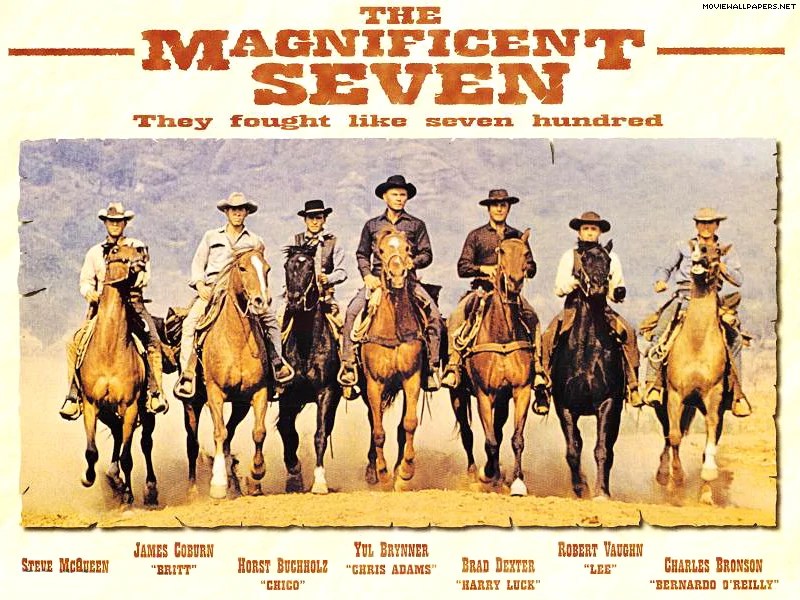
The Magnificent Seven (1960). How was this transformative? It paved the way for other movies in which a select team, expert in various combative skills, formed to tackle a specific problem. (See the blog post for April, 2022: “Single Mission Team Players.”) The Guns of Navarone (1961), The Dirty Dozen (1967), and more recently, Inception (2010) carried on this tradition. It is a phenomenon, not a genre, as it crosses boundaries.
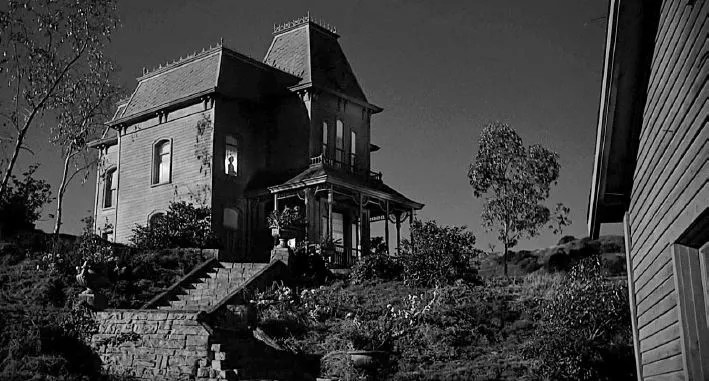
Psycho (1960). Director Alfred Hitchcock, the “Master of Suspense,” took a more violent and edgy tack with this tale of a mother-fixated motel owner with distinctly misogynistic intentions. Hitchcock used his Alfred Hitchcock Presents TV crew, filmed in black and white, and gave his leading lady (Janet Leigh) short shrift. Soon imitations of lesser quality appeared, e.g., Homicidal, Blood Feast. In mid-decade slightly bigger budgets were given to what would one day be called “slasher” movies. These featured up-and-comers as well as older stars (Joan Crawford in Strait-Jacket and Berserk!, Olivia De Havilland and Bette Davis in Hush…Hush, Sweet Charlotte).
The Pit and the Pendulum (1961). Novelist Stephen King hit the nail on the head when in Danse Macabre he wrote that this was the first time a filmmaker (director Roger Corman) showed his audience true visual horror: a coffin, opened to reveal the female corpse within, buried alive as evidenced by her contorted face and hands petrified into claws, seeking to get out. Graphic horror was on the rise, never to cease.
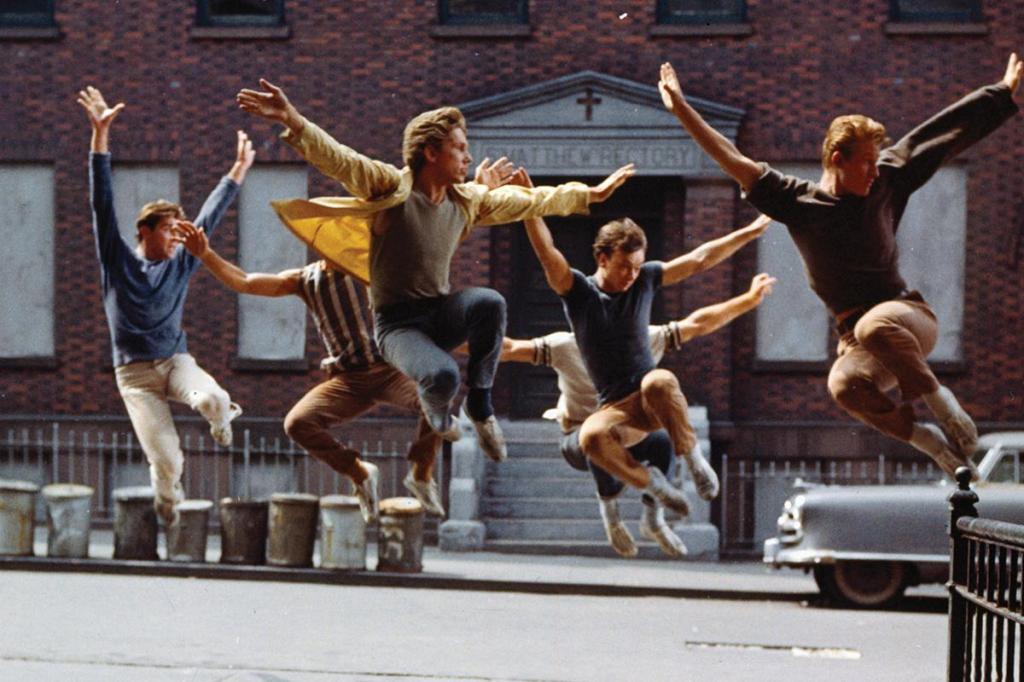
West Side Story (1961). This was a movie for people who didn’t or didn’t think they liked musicals, especially teenage boys. It began with a bang: aerial shots over New York City that dropped closer and closer to street level and the crummy tenements wherein rival delinquent gangs, the Sharks (Puerto Ricans) and Jets (white teens), vied for control of the mean streets. When they started dancing, it was not seen as sissified.
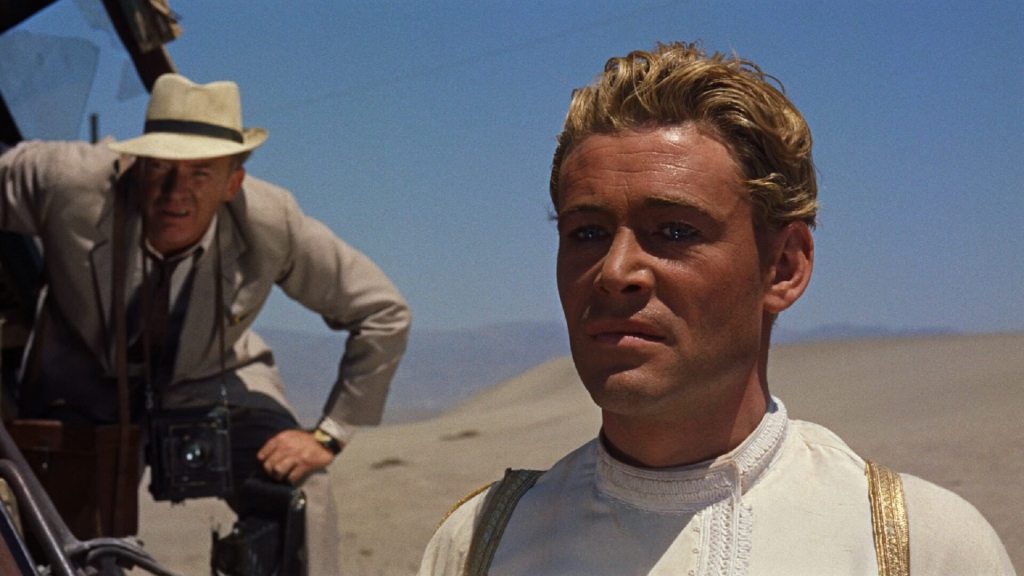
Lawrence of Arabia (1962). The “thinking person’s epic” was director David Lean’s biography of T. E. Lawrence, who helped Arabs gain independence from the Turkish Ottoman Empire during World War I. Desert vistas never before filmed astounded audiences, Peter O’Toole and Omar Sharif became stars, the film won Academy Awards. It remains a pinnacle of filmmaking.
Cleopatra (1963). Often denigrated and mistakenly deemed a financial flop, this version of the Egyptian queen’s rise and fall has an incomparable Alex North music score, more visual sweep than previous iterations, such as the 1934 Cecil B. DeMille version starring Claudette Colbert; the set-bound, George Bernard Shaw play-based Caesar and Cleopatra (1945) with Vivien Leigh; and the cheapjack 1953 Serpent of the Nile with Rhonda Fleming and…Raymond Burr as Antony! In reality, the 1963 version’s chief flaw is a dearth of battle action—and they had 3+ hours in which to do it. The making of it was an epic story in itself. The first director was fired, the first male cast dropped, filming switched providentially from England to Italy. Test photos of Joan Collins suggest she would have been well cast. In The Cleopatra Papers, publicists Jack Brodsky and Nathan Weiss concluded that a spectacle like this would not, could not, be made ever again.
Blow-Up (1966). David Hemmings’ photographer may have caught a murder on film but by gosh he can’t prove it. The Italian maestro Michelangelo Antonioni directed this, his first English-language film, to mostly critical praise, and though it was condemned by the Legion of Decency, MGM released it through a subsidiary. Like Who’s Afraid of Virginia Woolf? and The Graduate, the commercial and critical success of Blow-Up helped topple the hoary old Production Code in 1968.
Who’s Afraid of Virginia Woolf? (1966). It would be two years before the Motion Picture Association of America would institute a new rating system: G, M, R, X. So this adult film had disclaimers on its poster: “Suitable Only for Adults” and “Important Exception: No One Under 18 Will Be Admitted Unless Accompanied by His Parent.” The film would net Elizabeth Taylor a 2nd Academy Award. Her characterization of the foul-mouthed professor’s wife Martha was a far cry from Cleopatra.
The Graduate (1967). Like Who’s Afraid, this comedy-drama was a precursor to the barrier-breaking films that would appear in 1968 after institution of the new MPAA rating code. A generation of college students latched onto it, feeling a kinship with Benjamin Braddock (Dustin Hoffman in a star-making role) having no idea what to do with his life and finding himself seduced by an older woman with a daughter to whom he takes a shine.
2001: A Space Odyssey (1968). Master director of Paths of Glory, Lolita and Dr. Strangelove, Stanley Kubrick turned his sights on the past and potential future of humankind. Many wondered what it meant and did not perceive Kubrick and science fiction writer Arthur C. Clarke’s view that modern and future technology is a mixed blessing. (Think the now iconic HAL 9000, the mission’s computer gone insane.) Critical opinion was all over the map, but 2001 became a cause to celebrate for youth and after a slow start vied with the distinctly old-fashioned Funny Girl as the year’s top grosser. Indicative of the consternation it caused among critics and “anybody over 30,” 2001 was not nominated for a Best Picture Academy Award.
Bullitt (1968). A standard but compelling detective story hearkening back to postwar police procedurals like The Naked City and T-Men is highlighted by Bullitt’s (Steve McQueen) pursuit through San Francisco of a car carrying two hitmen. It remains the auto chase against which all others—and there have been many—are measured.
The Wild Bunch (1969). After the bloodbath that was 1967’s Bonnie and Clyde and the introduction of the MPAA code in 1968, director Sam Peckinpah created a new high in cinematic violence. In 1913, aging outlaws played by William Holden, Ernest Borgnine, Ben Johnson and Warren Oates are initially unaware that they are a dying breed held together by a faulty code of honor among thieves. They have no hesitation in killing civilians when they rob banks or blow away army guards on a train carrying weapons they sell to a Mexican warlord. By the end, however, they intuit that their day is over and resign themselves to their grim fate. They’ll take many with them.
Midnight Cowboy (1969). The new rating code instituted in 1968 was still feeling its way, and Midnight Cowboy was given the X-rating as much for subject matter (a young Texas stud aims to make his fortune as a prostitute in New York and bonds with the tubercular con-man “Ratso” played by Dustin Hoffman) as for nudity or foul language. Years later clearer heads changed it to the more applicable R.
Easy Rider (1969). Dennis Hopper directed and co-starred with Peter Fonda in this unexpected biker hit and gave Jack Nicholson such a juicy part that he was immediately propelled into a star role and an Academy Award nomination for 1970’s Five Easy Pieces. Like The Graduate, Easy Rider decried a perceived loss of American innocence. Its success led studios to attempt to duplicate Rider’s grosses by funding any number of similarly negative “youth” productions such as The Strawberry Statement and The Last Movie that even at the time were seen by many as naïve or self-aggrandizing. (Peter Fonda had starred in another biker movie of note prior to Easy Rider: 1966’s The Wild Angels, whose claim to true significance is negated when Nancy Sinatra views Bruce Dern’s body and announces, “He’s wasted.” The first notable biker movie was 1953’s The Wild One with Marlon Brando.)
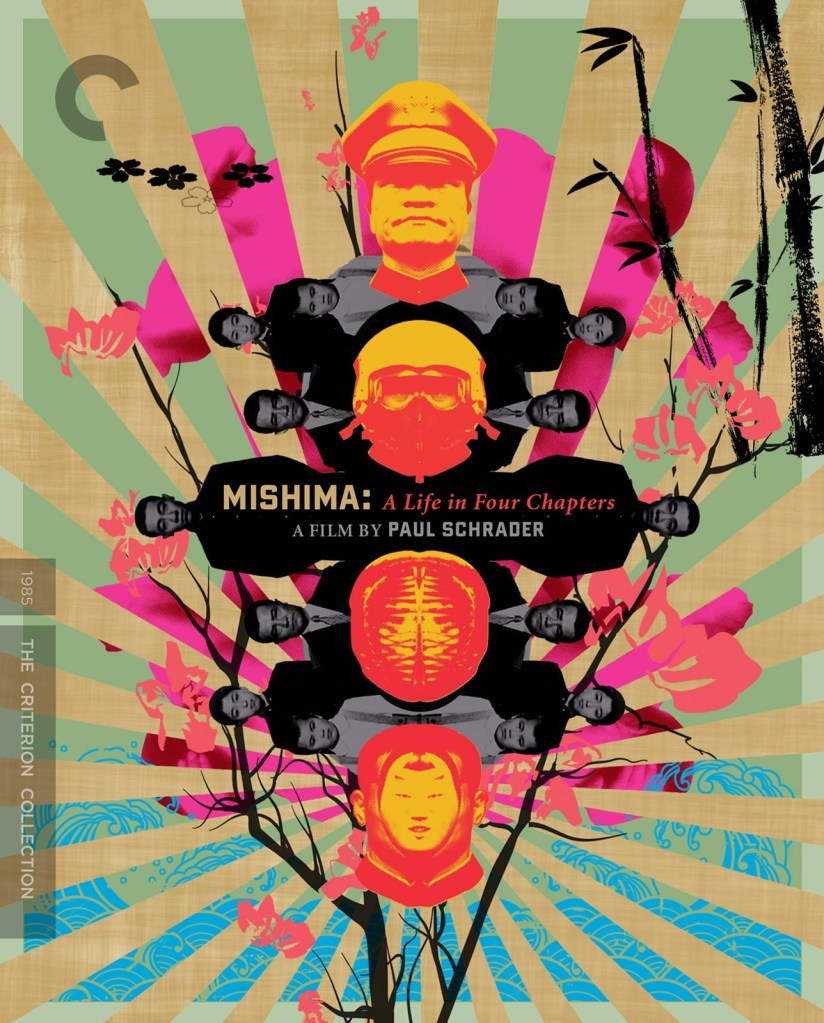
This film combines the stories and life of infamous Japanese Author Yukio Mishima into an absolutely stunning film, directed by Paul Schrader. Has some of my favorite production design, and is my all-time favorite film soundtrack.
A haunting, experimental, memoir about an abusive relationship, read by the author. It’s an important read that I can’t recommend enough, especially for those in the LGBTQIA+ community.
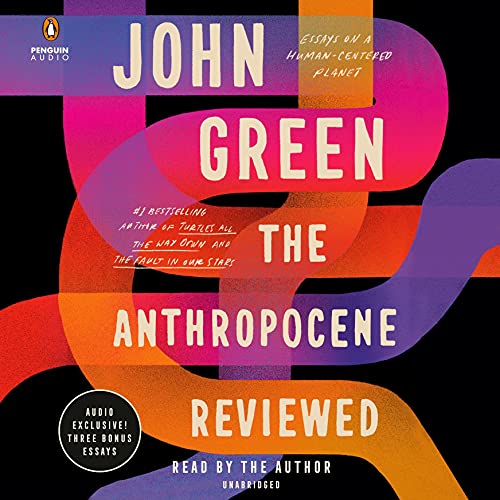
The author of The Fault in Our Stars, Green offers an amusing and insightful take on various elements of our time, what is currently termed the Anthropocene, and ranks each on a 5-star scale. Topics include smallpox and pandemics, Canada geese, Indianapolis, typewriter keyboards, oddball roadside attractions, extinct Hawaiian birds, and Nathan’s hotdog eating contest. It sounds like therapy for Green, who admits to a lifetime of despair as well as hope.
To be read alongside Yuval Noah Harari’s Sapiens: A Brief History of Humankind and Ed Yong’s An Immense World: How Animal Senses Reveal the Hidden Realms Around Us.
Paul Verhoeven’s satirical masterpiece about a future war between Earth’s military forces and a planet full of giant alien bugs! This movie is unlike anything I have ever seen; simultaneously existing as extremely high-brow and low-brow entertainment. Starship Troopers manages to be a big, loud, sci-fi action blockbuster, full of explosions, guns, and gore, while also serving as a scathing commentary on the military industrial complex and media propaganda. It is truly a film you can enjoy as either mindless fun or as a deeply cerebral experience. (See this month’s blog post for a deep dive on the context of this film’s history!)
Insane, Colorful, Action-Packed, and Hilarious!!! This game is a feast for the eyes; offering a wild, open-world ride that will entertain everyone from the lifelong gamer to the relative newbie. Traverse the cartoonish metropolis of Sunset City and fight off swarms of mutant zombies while grinding on telephone wires, leaping off skyscrapers, and firing an array of the weirdest assortment of weapons ever assembled in a video game!
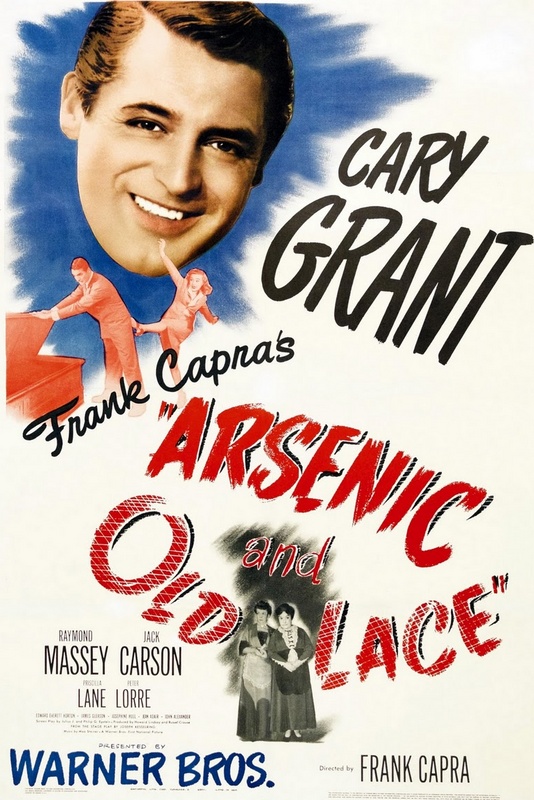
Cary Grant is great in this film adaption of the humorous play. He stops by to visit his sweet, elderly aunts and discovers that they poison men and then put them in the cellar. Other people (including police) dropping by leads to humorous situations as Grant tries to figure out what to do.
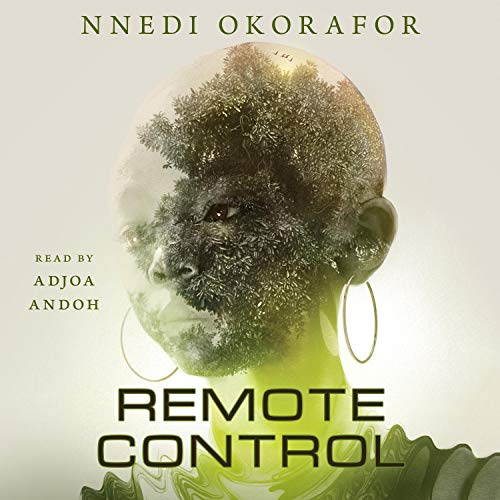
Adjoa Andoh does a great job narrating this near-future SciFi novella. A child in Ghana becomes known as the adopted daughter of death due to her ability to kill. She goes on a journey for a mysterious seed after the death of everyone in her village.























 Stay Connected with Chescolibraries