Exploring Caves Around The World!

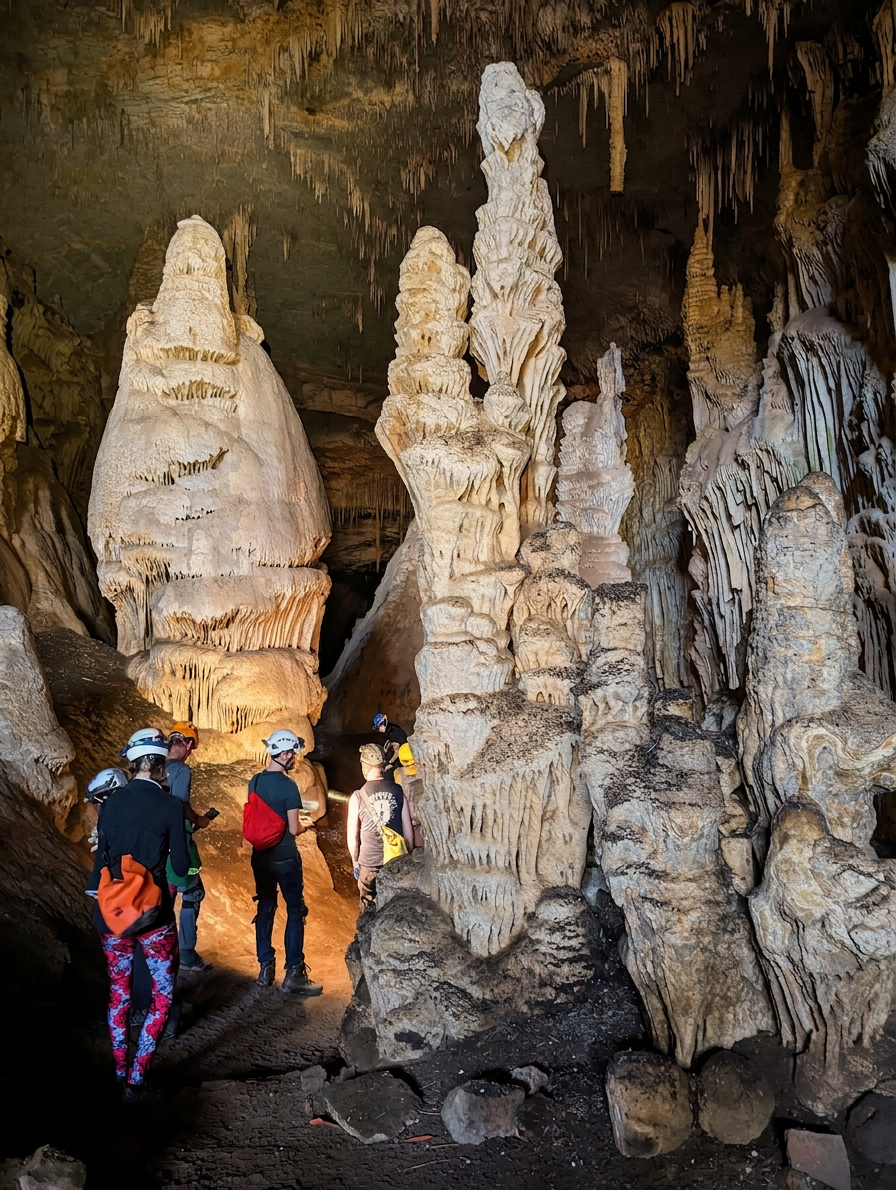
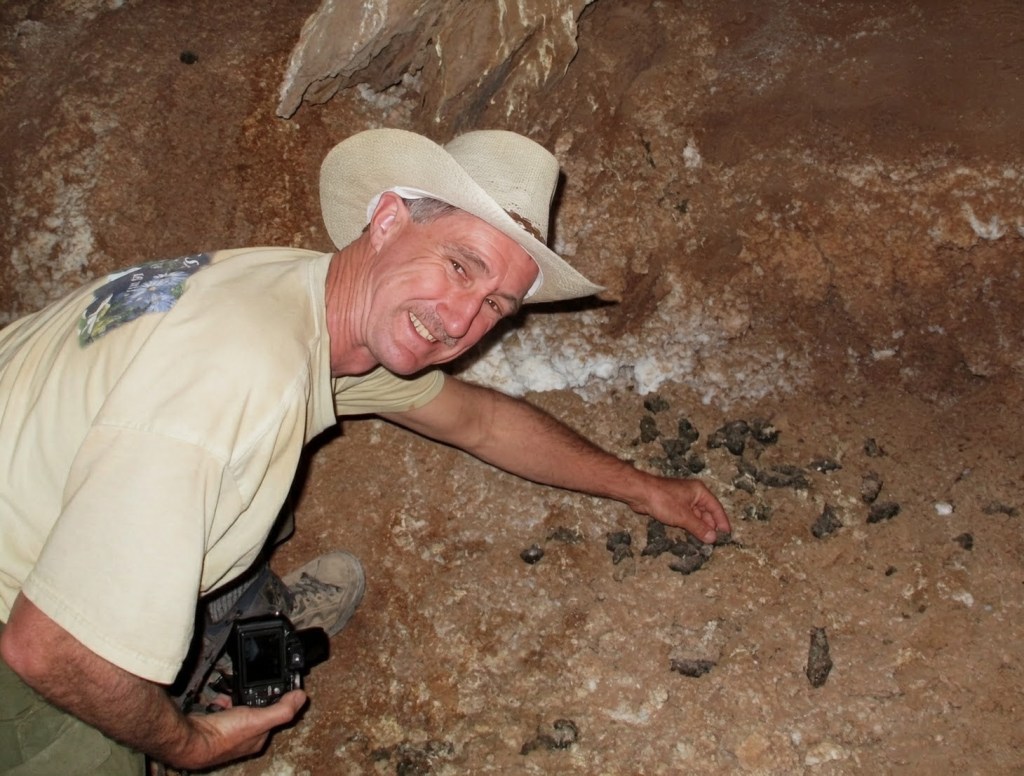
On Wednesday, July 29th, from 6:00-7:00 p.m., Henrietta Hankin Branch Library is pleased to welcome Speleologist Thomas Hawkins to present a fascinating program on the hidden underworld of caves from the Philippines to the Atacama Desert and back to Mammoth Cave in Kentucky. He will talk about the science of Speleology from mapping to archeology, ecology, and adventure. 

Thomas Hawkins has been exploring caves for over 50 years, beginning when a high school teacher took a geology field trip to a cave in West Virginia with a bunch of sixteen-year-old students. Since that time, he has explored hundreds of caves around the world from Kyrgyzstan to Borneo and beyond. He is presently part of the Fern Cave mapping project on a survey of the second deepest cave in the eastern United States.  

Born in England, Thomas has lived and worked as a tropical forester in Nepal and Honduras. As a Research Associate with Missouri Botanical Garden, he made many plant collecting expeditions to the Cloud Forests of Central and South America.  When not exploring caves, Thomas enjoys the exciting pastime of riding High Wheel bicycles. 

We hope you will join us to unearth a story as part of your summer adventures at the library!  Registration is required. To register, visit https://ccls.libcal.com/event/16790658 or call the library at 610-344-4196.  Henrietta Hankin Library supports PA Forward Civic and Social Literacy. 

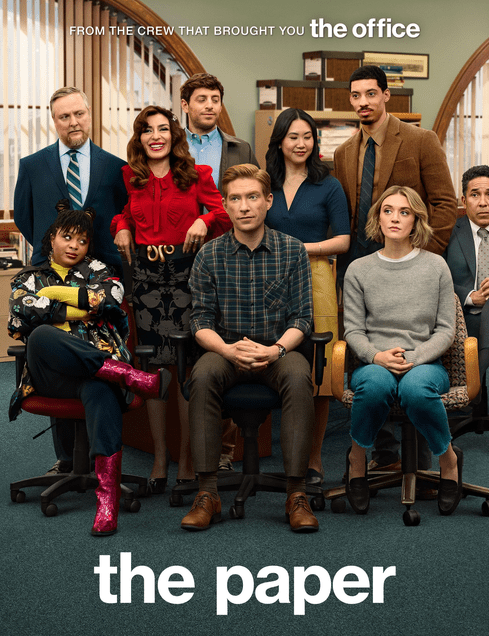
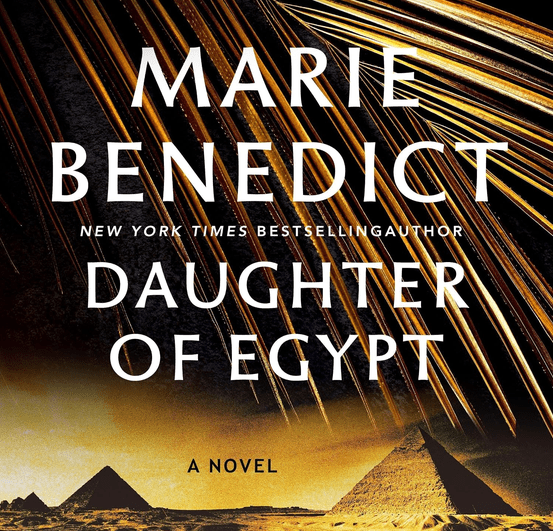
July Releases

CCLS/CCL Board Meeting

The Board of Trustees of the Chester County Library System/Chester County Library are hosting their monthly board meeting as a hybrid offering. If you have always wanted to attend a meeting but haven’t had the time, this is your opportunity. Please click on this link at 9:00 a.m. on Tuesday, July 21st, to join the Chester County Library System Board Meeting virtually, or attend in person at the Tredyffrin Public Library, 582 Upper Gulph Road, Strafford, PA 19087. The Chester County Library Board Meeting will immediately follow. Find the Chester County Library Board Packet here.

If you are a person with a disability and wish to attend this meeting and require an auxiliary aid, service, or other accommodation to observe or participate in the proceedings, please call Chester County Library’s Administration Office at 610-344-5600 or email ddadoly@ccls.org to discuss how we may best accommodate your needs.

Chester County Library Introduces Biodiverse Native Garden

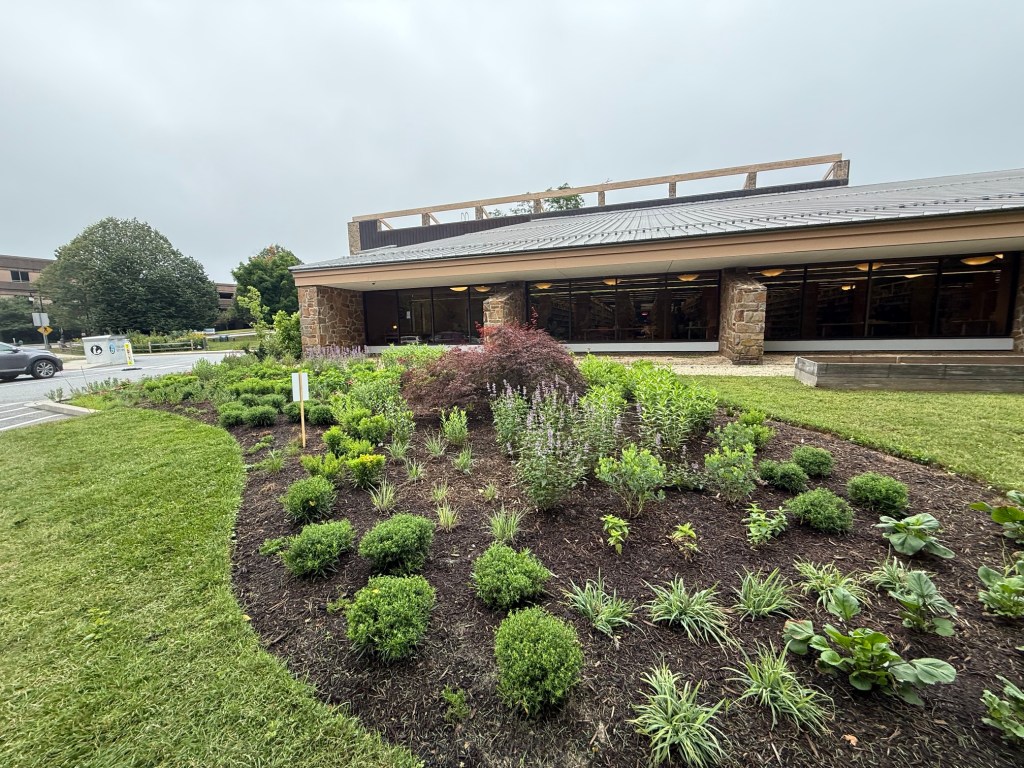
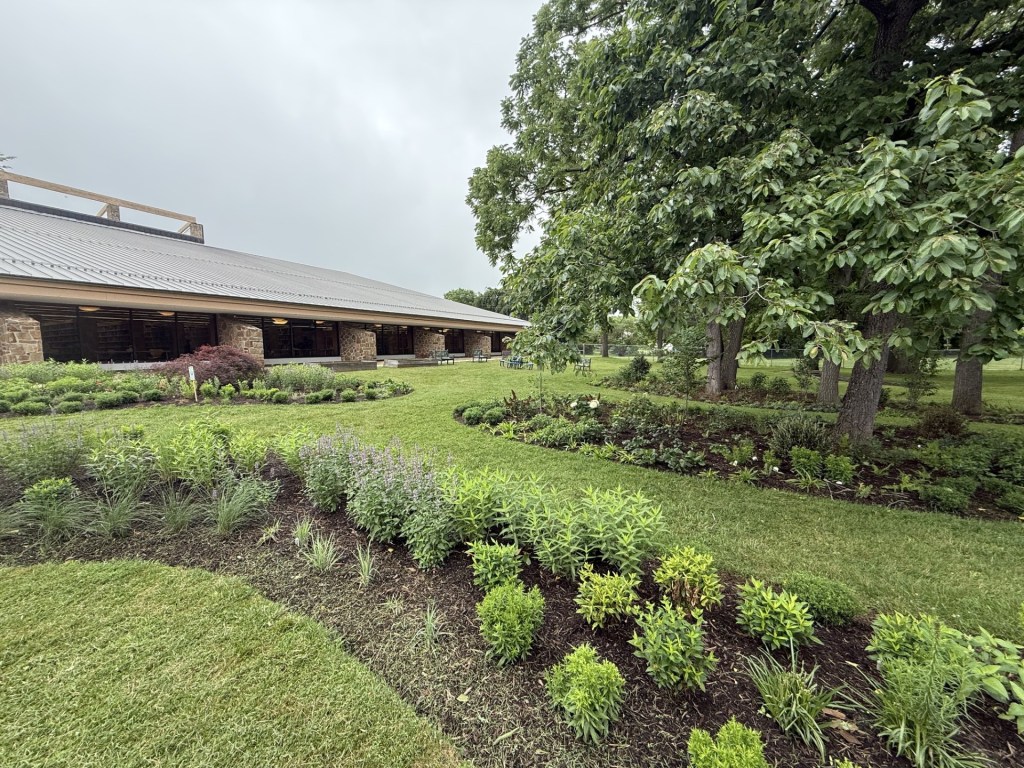
The Chester County Library has unveiled a new native garden, funded by the Chester County Library Trust through the generosity of Richard Hankin and Ada Brainsky. Designed by EcoLandscapes, the project transforms a large section of turf into a biodiverse habitat supporting pollinators, birds, and local wildlife.

This is the first of two native‑plant projects funded by Hankin and Brainsky. A second garden will be installed in the fall of 2026 at the Henrietta Hankin Branch Library in Chester Springs, the library named in honor of Richard’s mother.

A Community‑Rooted Vision

Richard and Ada’s interest in native gardening began at their home garden, where a friend who works at Natural Lands encouraged Ada to consider planting species that support the local ecosystem. Inspired by all this information, Ada began reading the work of Dr. Douglas Tallamy, University of Delaware professor and co‑founder of Homegrown National Park, whose research demonstrates how native plants sustain insect and bird populations.

As their gardens flourished, neighbors stopped by to ask questions, and children began noticing caterpillars returning to the landscape. When Richard received a citation from the Chester County Library Trust in 2025 for his years of service, he and Ada chose to use their donation to help bring native‑plant education to the library community.

About the Garden

The new landscape features a keystone oak tree capable of supporting more than 900 species, along with goldenrods, asters, dogwoods, witchhazel, cherries and other variants of berries that fruit throughout the year, and milkweed for monarch butterflies. The design incorporates “soft landings”—areas where leaves remain in place to provide essential overwintering habitat for fireflies, moths, and butterflies.

Designed for Biodiversity

Landscape designer Daniel Cleary of EcoLandscapes describes the project as a blend of ecological purpose and public‑space design:

“Ada and Richard asked me to create a native, naturalistic landscape to replace the turf — a big goal to increase biodiversity, expand pollinator and bird habitat, and provide a showpiece for native plantings as an alternative to traditional turf and shrub landscaping. For the library, I softened the style slightly with more massing, height gradation, and smaller plants along the edges to create definition. But ultimately, it remains a naturalized, living landscape — colorful, changing, and full of native plants.”

Cleary noted that many patrons approached him during installation to express excitement about the new space and its future blooms. The garden will evolve over several seasons, following the native‑garden pattern of “sleep, creep, leap.”

Why Native Plants Matter

Native plants are indigenous to southeastern Pennsylvania and have evolved alongside local wildlife over thousands of years. As donors Richard Hankin and Ada Brainsky note, “This garden was planted with species that belong here — grown from the same soil, climate, and history as the wildlife of Chester County.”

Native plants support caterpillars, bees, and other pollinators; provide food and shelter recognized by local wildlife; improve soil and filter rainwater; and thrive without pesticides or synthetic fertilizers. Once established, they require very little irrigation because they are adapted to local rainfall. Even a few native plants in a yard or container can help strengthen local habitat corridors.

A Growing Commitment to Sustainability

The Chester County Library Trust’s support reflects a commitment to ecological stewardship and community education. The new garden will serve as a living demonstration of how native plants can replace conventional turf, reduce chemical use, and create a vibrant habitat. The upcoming project this fall at the Henrietta Hankin Branch will expand this vision and honor the Hankin family’s legacy.

About EcoLandscapes

EcoLandscapes specializes in naturalistic, native‑plant garden design with a focus on biodiversity, ecological function, and artistic expression.

Website: ecolandscapesdesign.com

Instagram: @Ecolandscapes_design

Email: ecolandscapesdesign@gmail.com

2026 Reading Challenge! July

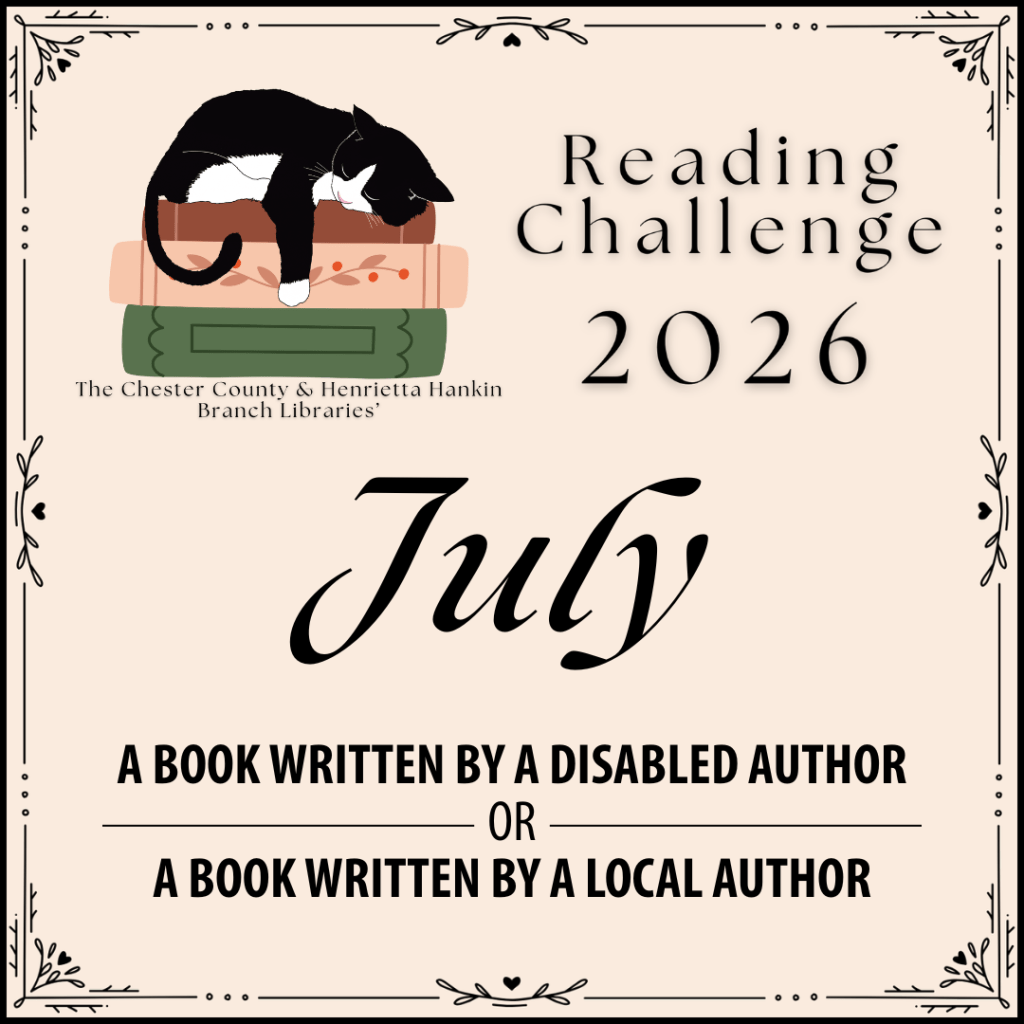
A stylized tan square with a graphic of a cat sleeping on a pile of books and the text "Reading Challenge 2026, July: A book written by a disabled author OR A book written by a local author" written on it.

Welcome to the seventh month of this year’s reading challenge! The 2026 Reading Challenge is open to all readers reading at a Young Adult or Adult level in any format. Please register for the challenge this year using this online registration form or by speaking to the Reference Desk. Then, pick up a physical tracking log at the Reference Desk or print one out at home using the link provided in the Resources section of the Reading Challenge page at bit.ly/AdultReadingProgram.

For those of you who joined us for last year’s challenge, you all know the drill! For those who are just joining us this year, I will post the prompt along with some suggested reads and resources here on the blog every month. Different from last year, the prompts this year are “this or that” in style, so you will have more options to choose from! You do not need to read a book from both “this” and “that.” Just one or the other – unless you really want to go the extra mile and read more, in which case don’t let me stop you! But there is no extra prize for doing both. Just brownie points in the eyes of the librarians.

April’s reading challenge prompt is “A book written by a disabled author*” OR “A book written by a local author.”

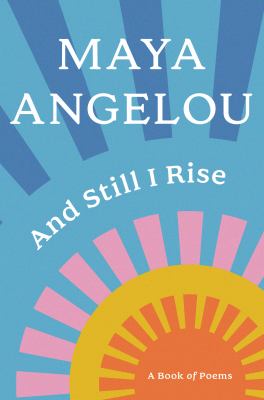
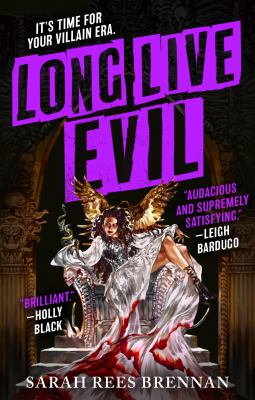
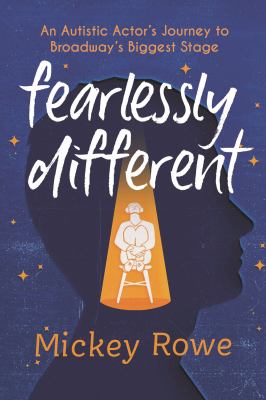
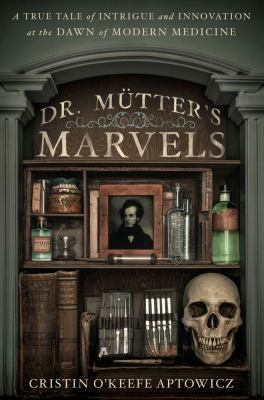
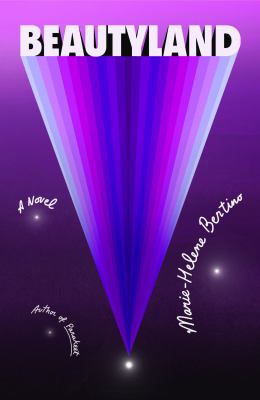
Need inspiration for what to read? Check out a few suggested reads below! See the full lists on our catalog here: books by disabled authors or books by local authors. Make sure to also visit the library to explore our interactive book display.

If you need even more inspiration for books to read or listen to, feel free to request Personalized Reading Suggestions.

Happy reading!

*Please note that I have chosen, in this blog post and in my Reading Challenge, to use identity-first language. Some people with disabilities prefer person-first language (ie: “person with a disability”) while others prefer identity-first language (ie: “disabled person”). As someone with a disability myself, I prefer the idea of reclaiming language and removing stigma, so I choose to use identity-first language. But I want to recognize that not all people with disabilities have the same preferences. If you’d like to read a little more about it, you can read this article from the Alliance of Disability Advocates or this one from DiversityRules Magazine.

P.S. If you’ve made it all the way to the end, comment your most used or most recently used emoji under this post! 💜