With the commoditization of planning by the financial media, it is more difficult for people to understand that there is a comprehensive process to building a financially secure future. Using the analogy of building a house, we cover the overall process of building a financially secure future. This class will provide a new paradigm of thinking. Instead of thinking something is bad or good, the question to ask is “Does this fit for me?”
Provided by Wienken Advisors, LTD. This program supports PA Forward’s Financial Literacy.
A Zoom link will be emailed to registrants 2 hours before the program starts. Make sure to check the email address you registered with to receive the link. You do not need a Zoom account to attend the virtual program.
Building your investor IQ starts with understanding the basics. Whether you are new to investing or need a refresher, this presentation will discuss the importance of developing a strategy, the impact of asset allocation and the influence of inflation on your long-term goals.
Provided by Edward Jones. This program supports PA Forward’s Financial Literacy.
A link to access the program will be emailed to registrants 2 hours before the program starts. Make sure to check the email address you registered with to receive the link.
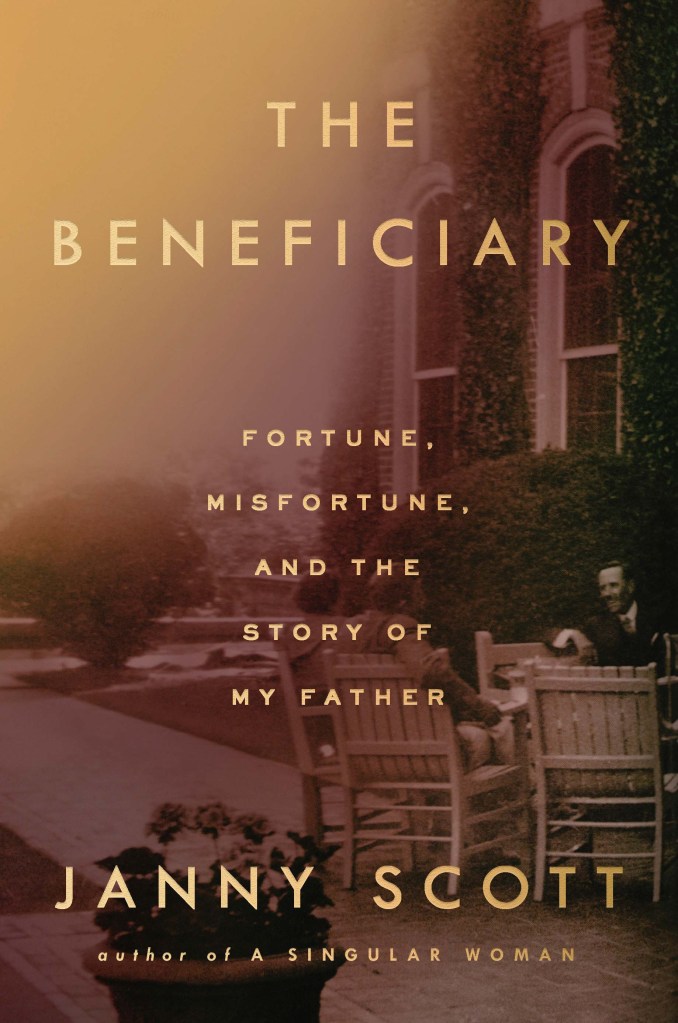
The Beneficiary is the tale of beloved local Montgomery and Scott families, who inspired the movie “The Philadelphia Story.” Main Line resident Janny Scott traverses a century and a half of local American history to illuminate her family story, and excavates the weight of inheritance, the tenacity of addiction, and the power of buried secrets.
A Zoom link will be emailed to registrants 2 hours before the program starts. Make sure to check the email address you registered with to receive the link. You do not need a Zoom account to attend the virtual program.
The Chester County COVID-19 Business Task Force is hosting a webinar on Tuesday, May, 26, 2020 at 3:30 p.m. for county businesses and organizations looking to reopen, revise, or expand operations due to the impact of the Coronavirus.
The first webinar, led by Lucia Mullen, MPH, an analyst at the Johns Hopkins Center for Health Security, will focus on preparing businesses and organizations of all sizes and types to determine their risk of transmission of COVID-19. The webinar will also provide a toolkit that enables businesses to identify their areas of risk and suggestions to reduce it.
Welcome to the beginning of our new series on journaling! Journaling is a practice we stereotypically associate with kids and preteens who complain about their parents and gush about their crushes and chat about school in a diary with “DO NOT READ” scribbled in all caps over the front cover – which is a perfectly valid and fun form of journaling, don’t get me wrong! But in fact, many people from the young to the old have picked up journaling as a form of creative and personal expression, and there are studies that show the benefits of journaling for our health. Not only that, but journaling can come in many more shapes and sizes than you might think. Throughout this series on journaling, we will present to you some of these journaling methods in hopes that you might find one that strikes your fancy.
For this first installment, we will discuss the most basic form of journaling: regular, old-fashioned diary journaling. I think you probably all understand what this entails, and many of you might have even had this type of journal when you were young, but some of you might not know just how beneficial it can be for your mental and physical health. Below, we have a couple links to resources talking about this, but to keep it short and simple: a journal is a place where you can write down your thoughts and feelings in a safe, judgment-free space so that you can examine them and better understand them, which can help you manage stress, anxiety, and depression. And as a consequence, lowering your stress, anxiety, and depression has been proven to have wide-ranging physical health benefits.
If this sounds appealing to you, we have a challenge for you this week…
**Take 5 minutes or less (or more!) every day for a week to just write. You can write in a physical notebook or in a digital Word or Google doc – whatever’s easiest for you. But don’t worry if you miss a day! The point of this exercise is to reduce stress, not add to it. You can write about anything, even just one sentence or one phrase will do. What did you do today? What did you accomplish? What do you want to accomplish tomorrow? If you didn’t do anything that day, that’s okay. You are allowed to have those days. We all have them. Instead, write about what television shows or movies you watched, or what music you’re really into right now, or how you felt that day. If you really, truly can’t come up with anything, go for my mother’s default in conversation: How was the weather?**
Normally, if you can start with one sentence, it’s easier to move on to two, then three, then more. And by the end of the week, you’ll have a record of how the week went for you. Did you have a bad week? Were you tired or bored or down a lot? Looking back at this record might help you see why you had such a bad week and come up with strategies for making the next week better. Or maybe you had a wonderful week, picking up a new hobby that you’re finding you really love, spending a lot of happy, quality time with your family, and so on. You’ll be able to look back at those times a year from now and remember the happiness that you felt. If you continued with the new hobby, maybe you’ll be a year into it and be able to look back and see the exact date that you started. It’s like a mini time capsule just for you and your life.
If this method of diary journaling seems too vague or too boring to be of any use or interest to you, or maybe you find part-way through the week that it just isn’t working for you, keep an eye out for our next installments where we will be giving you some ideas for more different types of journaling. We’ll be talking about Bullet Journaling, Mindfulness Journaling, Dream Journaling, Art Journaling, Micro Journaling, and more. The most important thing to keep in mind throughout this whole series is: Does this work for you?
The 2020 Census is underway – more than half the households across America have responded – and more are responding every day. Online, phone and mailed self-responses will continue throughout the data collection process.
In light of the COVID-19 outbreak, the U.S. Census Bureau has adjusted 2020 Census operations in order to:
Protect the health and safety of the American public and Census Bureau employees.
Implement guidance from Federal, State, and local authorities regarding COVID-19.
Ensure a complete and accurate count of all communities.
Now the Census will continue to collect responses through October 31, 2020.
If you haven’t yet responded to the Census, find out how you can here.
The Chester County Food Bank will accept produce donations beginning next week on Tuesday 5/26. They will accept produce donations from HOME GROWERS Monday and Wednesday 10-12 PM and Raised Bed Garden PARTNERS on Tuesday and Thursday 10-12PM. Gardeners can pull up to the side of the building where you will see a station set up with a produce scale and donation slips to fill out. There will be a pallet with crates for the produce to be placed into. After placing the produce in the crates, the gardener will ring the bell that is set up near the stairs and then return to their vehicle. A staff member will respond to the bell and bring the produce in immediately.
*In the case of severe weather, the drop-off station will be moved directly inside of the warehouse door.
When donating to CCFB bagging in bulk is preferred – organized by crop. Do not mix muddy roots with leafy greens. Do not seal bags completely, leave them slightly opened to allow respiration/moisture to escape. Large clear bags or produce bags can be provided by CCFB.
When donating directly to food cupboards bag produce in household sized portions in produce bags.
Wash hands thoroughly and wear glovesUse clean tools and containers
Only donate quality produce you would enjoy eating yourself.
Agencies reserve the right to decline your donation if it does not meet their standards of quality. For example: bolted, excessively muddy, or inedible.
Here are agencies that will also accept produce donations:
Listening and coloring – it’s a great combination and a relaxing way to unwind. So download an audiobook, grab your colored pencils, and try one of these free coloring pages!







 Stay Connected with Chescolibraries