Sometimes the most difficult part of any project is finding the time to work on it. Wouldn’t it be great to have a time set aside just to work on your project in the company of other like-minded people? Enjoy friendly tips, camaraderie and much needed time. Learn new skills or build on old ones. Whether you knit, crochet, cross stitch, needle point, weave, quilt, sew or any of the other needle crafts, you are welcome to join the group!
A Zoom link will be emailed to registrants 2 hours before the program starts. Make sure to check the email address you registered with to receive the link. You do not need a Zoom account to attend the virtual program.
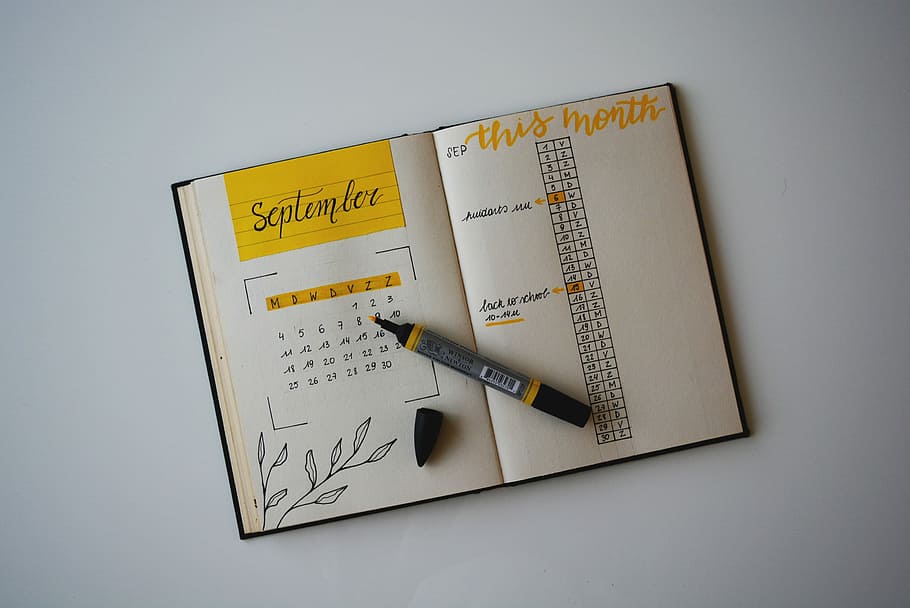
Formatting your journal for aesthetics or for function.
Welcome to our second installment in our series about journaling. In this post, we’ll be talking about Bullet Journaling.
The Bullet Journal was invented by Ryder Carroll, a digital designer, as a method of organizing his life. The thought process went as follows: Many of us have multiple different journals, although we might not think of them as such. From planners and calendars to bill planners and budget spreadsheets to sticky notes with grocery lists and movies to watch – all of these in some combination of physical and digital forms – many people have the information of their life spread out everywhere, and thus can find nothing when they need it. Carroll’s Bullet Journaling system combines all of these into one.
Now, his system for doing this is quite rigid. On his website, the link to which you can find below, he outlines exactly how you should format your journal to match his method. But since it’s inception, the Bullet Journaling system adopted by many people has expanded to fit the needs of the individual. So in essence, the Bullet Journal boils down to this:
A Bullet Journal is just an empty journal, preferably dotted or grid, that you can do whatever you want with. It sounds vague, and I hear you saying “isn’t that just any normal journal?” But what makes Bullet Journaling special is that it is all about these things called “spreads.” The basic concept of a spread is that it is a formatted page that you draw out for yourself. Some spreads are calendars – yearly, monthly, weekly, or daily – that you draw out freehand and fill in with tasks, goals, events, or accomplishment. Some are mood trackers, where you mark down how you felt each day – good for keeping on top of your mental health. Some are habit trackers that are designed so that you can keep up with good habits or attempt to break bad ones. To-do Lists, Finance Trackers, Expense Trackers, Gratitude Logs, Brain Dumps, Mind Maps, Bucket Lists, Book/Reading Trackers, Watch Lists, Weight Loss Trackers – all are examples of different spreads that people who keep bullet journals utilize in order to cut down their many journals into one.
There are tons of ideas floating around on the internet, from web pages listing various spread ideas to try to Pinterest photos of the most beautiful, aesthetically pleasing spreads you’ll ever see in your life. The fun part is that all these spreads are designed by you for you. It can be as creative or as minimalist or as practical as you want it to be. And, even better, all of the journals that we’ll be discussing throughout this journaling series can be formatted as a spread in a Bullet Journal, if you’re up for giving it a try.
Resources & Inspiration:
Ryder Carroll’s website (the Learn page that talks about his system)
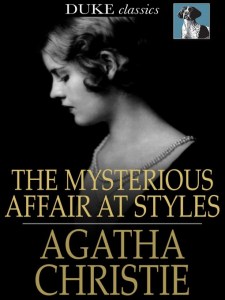
The Hankin Whodunits Mystery Book Club will meet via Zoom on Thursday, June 18 at 1:00 pm. Please join us to discuss The Mysterious Affair at Styles by Agatha Christie.
Agatha Christie is regarded by critics and fans alike as one of the masters of the mystery novel. This classic manor-house mystery introduces Christie’s much beloved character, the detective Hercule Poirot.
You can download this Always Available eBook here.
The Chester County Commissioners have launched RestoreChesterCounty.org, a comprehensive online toolkit that offers guidelines specifically designed for Chester County’s 15,000-plus businesses and 525,000 residents as they move from the red phase to the yellow phase on June 5.
RestoreChesterCounty.org provides direct access to guidelines that are broken down by 20 different business and organization sectors here in Chester County.
Visitors to RestoreChesterCounty.org will immediately be presented with access to a Business & Org Toolkit, as well as Resident Toolkit. The Business & Org Toolkit lists guidelines that span industries, including a checklist for knowing if your business is ready, how to get it to that point, and how to find resources for obtaining personal protective equipment. Business and organizational leaders can then drill deeper by accessing 20 different business and organization sectors, including everything from agriculture and office settings to restaurants, personal care, schools, religious organizations, and more.
Restore Chester County is an initiative launched by the county’s COVID-19 Business Task Force, a collaborative of business, economic, education, and government leaders formed by the Chester County Commissioners last month to focus on reopening and restoring Chester County’s economy affected by COVID-19.
“Experience the wonder of the ocean no matter where you are” with 10 different live web cams from the Monterey Bay Aquarium! View live footage of a coral reef, penguins, sea otters, sharks, and more.
Most live cams are available from 7:00 am Pacific Time (10:00 am Eastern Time) into the early evening hours (Pacific Time), with prerecorded footage available when the live cams are turned off. However, you can virtually visit the Monterey Bay Cam and listen to the soothing sound of the waves 24 hours a day.
During weekdays, narrated feedings are also available on some live cams at the scheduled times listed on the live cam page.
With the commoditization of planning by the financial media, it is more difficult for people to understand that there is a comprehensive process to building a financially secure future. Using the analogy of building a house, we cover the overall process of building a financially secure future. This class will provide a new paradigm of thinking. Instead of thinking something is bad or good, the question to ask is “Does this fit for me?”
Provided by Wienken Advisors, LTD. This program supports PA Forward’s Financial Literacy.
A Zoom link will be emailed to registrants 2 hours before the program starts. Make sure to check the email address you registered with to receive the link. You do not need a Zoom account to attend the virtual program.
Building your investor IQ starts with understanding the basics. Whether you are new to investing or need a refresher, this presentation will discuss the importance of developing a strategy, the impact of asset allocation and the influence of inflation on your long-term goals.
Provided by Edward Jones. This program supports PA Forward’s Financial Literacy.
A link to access the program will be emailed to registrants 2 hours before the program starts. Make sure to check the email address you registered with to receive the link.