September is Library Card Sign-up Month when libraries nationwide join the American Library Association (ALA) to remind parents, caregivers, and students that signing up for a library card is the first step on the path to academic achievement and lifelong learning.
Libraries play a crucial role in the education and development of children, offering a variety of programs to spark creativity and stimulate an interest in reading and learning. Through access to technology, media resources, and educational programs, a library card gives students the tools to succeed in the classroom and provides people of all ages opportunities to pursue their dreams, explore new passions and interests, and find their voice.
Throughout the school year, public librarians and library staff will assist parents and caregivers with saving hundreds of dollars on educational resources and services for students of all ages. A library card is one of the most cost-effective back-to-school supplies available! For younger children, we offer early literacy resources to help them learn to read and encourage school readiness.
For older children and teens as well as our adult patrons, we provide access to technology and digital tools such as 3D printers, crafting and sewing equipment, STEM kits, laser-cutting, computer programming, self-publishing resources, welding, virtual reality programs, collaborative workspaces, and GED resources. With a library card, families can also borrow one-day passes for free to visit various educational and cultural museums and historic sites in Pennsylvania, New Jersey, and Delaware with our Museum Pass Program.
Don’t know what to read next? Let our librarians help you with personal reading suggestions. Perhaps you want to learn a new language or research your family tree. With the wide knowledge of our Reference librarians and free access to numerous databases such as Mango Languages, Ancestry Library Edition, and The New York Times we have you covered. Apart from our extensive multimedia and book collections and Reference databases, we also offer 24/7 online access to eBooks, eAudiobooks, and magazines with services such as Libby by Overdrive and Flipster. Our Business and Career Center offers job, career, and personal finance resources and workshops as well as free wireless Internet access to the public for use with personal laptops and other mobile devices.
This year, Tony Award-winning performer, actress, singer-songwriter, and philanthropist Idina Menzel (Frozen, Wicked) and her sister, author, and educator Cara Mentzel, will serve as honorary chairs of Library Card Sign-Up Month. Idina and Cara are excited to remind everyone that one of the best places to find your voice is at the library. During Library Card Sign-Up Month, they want us to explore all the library has to offer, like-new children’s books, access to technology, and educational programming. “It’s a little card that goes a loud way. Let your imagination sing at the library,” said Mentzel.
Since 1987, Library Card Sign-up Month has been held each September to mark the beginning of the school year. During the month, Chester County Library and its Henrietta Hankin Branch, along with libraries everywhere, continues to adapt and expand services to meet the evolving community needs. To sign up for a library card or to learn more about the library’s resources and programs, please visithttps://bit.ly/3RtxepK.
The mission of the Chester County Library System is to ensure that every resident has access to exceptional opportunities to read, learn, create, connect and contribute to a better quality of life. For hours or more information regarding our 18 library locations, please visit our website at www.ccls.org.
As in many other fields, from politics to race to women’s rights and culture in general, the 1960s was a boiling cauldron. So it was with movies, often then given the more prestigious appellation, the cinema. The movies discussed below are those that transformed film, some in a minor, others in a major way.
In the sixties, film was taken more seriously by more people, especially coming of age baby boomers. The cinema was deemed worthy of deep examination. There was subtext. More and more books appeared on the shelves. Some were surveys (A Pictorial History of the Talkies), others star biographies (Citadel Press’s Films of… series, including Bogart, Dietrich, Garbo, Marx Bros.), still others academic investigations of film going back to the cinema’s origins (The Parade’s Gone By,Film: An Anthology).
Some sixties transformative films:
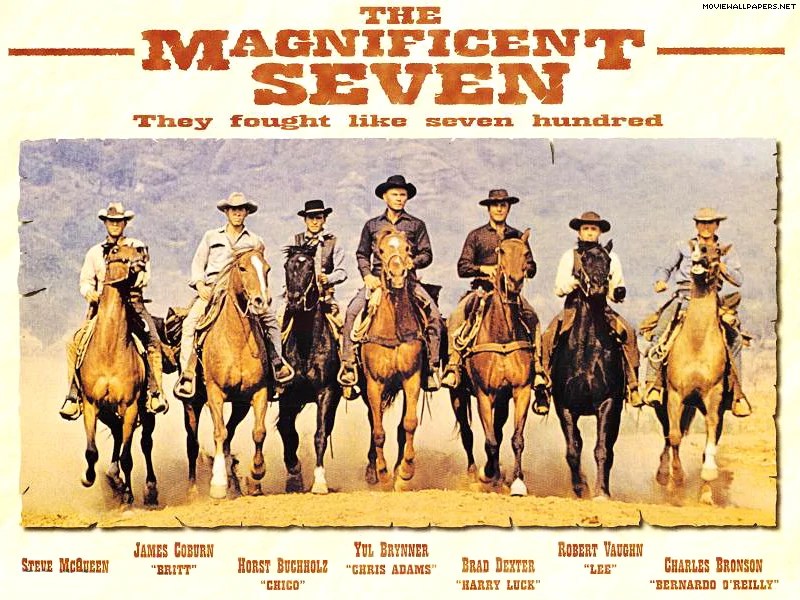
The Magnificent Seven (1960). How was this transformative? It paved the way for other movies in which a select team, expert in various combative skills, formed to tackle a specific problem. (See the blog post for April, 2022: “Single Mission Team Players.”) The Guns of Navarone (1961), The Dirty Dozen (1967), and more recently, Inception (2010) carried on this tradition. It is a phenomenon, not a genre, as it crosses boundaries.
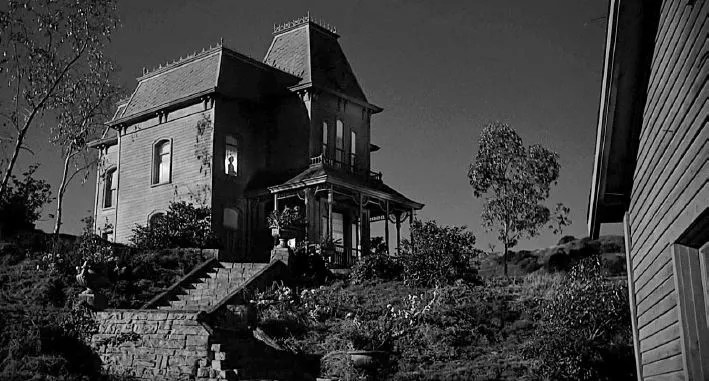
Psycho (1960). Director Alfred Hitchcock, the “Master of Suspense,” took a more violent and edgy tack with this tale of a mother-fixated motel owner with distinctly misogynistic intentions. Hitchcock used his Alfred Hitchcock Presents TV crew, filmed in black and white, and gave his leading lady (Janet Leigh) short shrift. Soon imitations of lesser quality appeared, e.g., Homicidal, Blood Feast. In mid-decade slightly bigger budgets were given to what would one day be called “slasher” movies. These featured up-and-comers as well as older stars (Joan Crawford in Strait-Jacket and Berserk!, Olivia De Havilland and Bette Davis in Hush…Hush, Sweet Charlotte).
The Pit and the Pendulum (1961). Novelist Stephen King hit the nail on the head when in Danse Macabre he wrote that this was the first time a filmmaker (director Roger Corman) showed his audience true visual horror: a coffin, opened to reveal the female corpse within, buried alive as evidenced by her contorted face and hands petrified into claws, seeking to get out. Graphic horror was on the rise, never to cease.
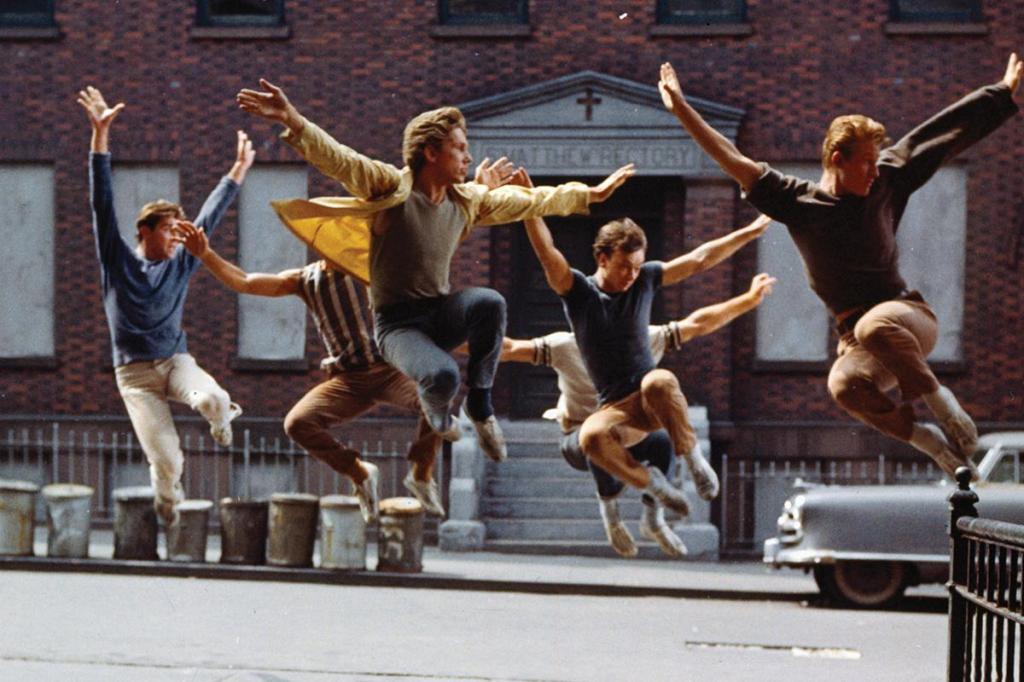
West Side Story (1961). This was a movie for people who didn’t or didn’t think they liked musicals, especially teenage boys. It began with a bang: aerial shots over New York City that dropped closer and closer to street level and the crummy tenements wherein rival delinquent gangs, the Sharks (Puerto Ricans) and Jets (white teens), vied for control of the mean streets. When they started dancing, it was not seen as sissified.
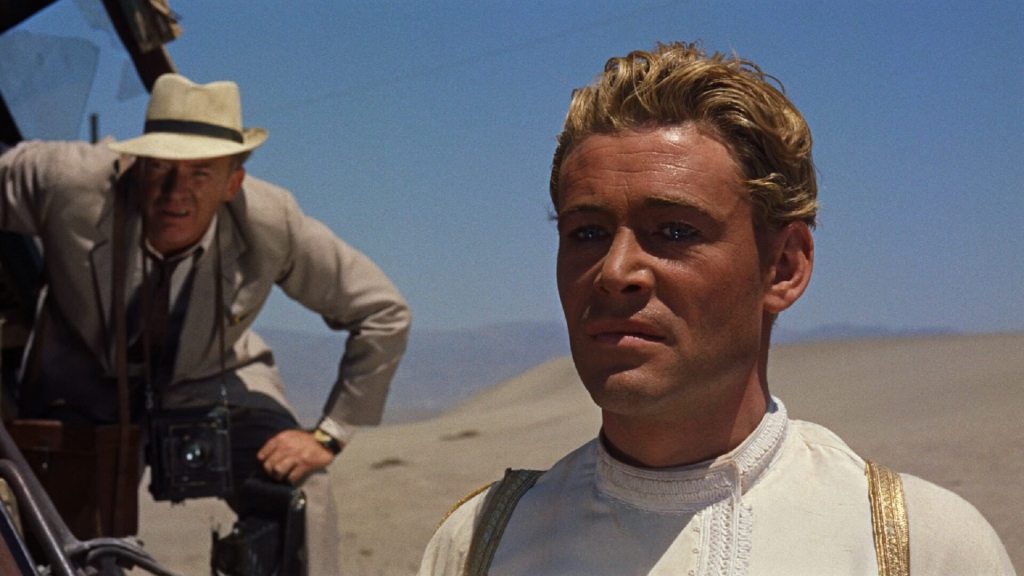
Lawrence of Arabia (1962). The “thinking person’s epic” was director David Lean’s biography of T. E. Lawrence, who helped Arabs gain independence from the Turkish Ottoman Empire during World War I. Desert vistas never before filmed astounded audiences, Peter O’Toole and Omar Sharif became stars, the film won Academy Awards. It remains a pinnacle of filmmaking.
Cleopatra (1963). Often denigrated and mistakenly deemed a financial flop, this version of the Egyptian queen’s rise and fall has an incomparable Alex North music score, more visual sweep than previous iterations, such as the 1934 Cecil B. DeMille version starring Claudette Colbert; the set-bound, George Bernard Shaw play-based Caesar and Cleopatra (1945) with Vivien Leigh; and the cheapjack 1953 Serpent of the Nile with Rhonda Fleming and…Raymond Burr as Antony! In reality, the 1963 version’s chief flaw is a dearth of battle action—and they had 3+ hours in which to do it. The making of it was an epic story in itself. The first director was fired, the first male cast dropped, filming switched providentially from England to Italy. Test photos of Joan Collins suggest she would have been well cast. In The Cleopatra Papers, publicists Jack Brodsky and Nathan Weiss concluded that a spectacle like this would not, could not, be made ever again.
Blow-Up (1966). David Hemmings’ photographer may have caught a murder on film but by gosh he can’t prove it. The Italian maestro Michelangelo Antonioni directed this, his first English-language film, to mostly critical praise, and though it was condemned by the Legion of Decency, MGM released it through a subsidiary. Like Who’s Afraid of Virginia Woolf? and The Graduate, the commercial and critical success of Blow-Up helped topple the hoary old Production Code in 1968.
Who’s Afraid of Virginia Woolf? (1966). It would be two years before the Motion Picture Association of America would institute a new rating system: G, M, R, X. So this adult film had disclaimers on its poster: “Suitable Only for Adults” and “Important Exception: No One Under 18 Will Be Admitted Unless Accompanied by His Parent.” The film would net Elizabeth Taylor a 2nd Academy Award. Her characterization of the foul-mouthed professor’s wife Martha was a far cry from Cleopatra.
The Graduate (1967). Like Who’s Afraid, this comedy-drama was a precursor to the barrier-breaking films that would appear in 1968 after institution of the new MPAA rating code. A generation of college students latched onto it, feeling a kinship with Benjamin Braddock (Dustin Hoffman in a star-making role) having no idea what to do with his life and finding himself seduced by an older woman with a daughter to whom he takes a shine.
2001: A Space Odyssey (1968). Master director of Paths of Glory, Lolita and Dr. Strangelove, Stanley Kubrick turned his sights on the past and potential future of humankind. Many wondered what it meant and did not perceive Kubrick and science fiction writer Arthur C. Clarke’s view that modern and future technology is a mixed blessing. (Think the now iconic HAL 9000, the mission’s computer gone insane.) Critical opinion was all over the map, but 2001 became a cause to celebrate for youth and after a slow start vied with the distinctly old-fashioned Funny Girl as the year’s top grosser. Indicative of the consternation it caused among critics and “anybody over 30,” 2001 was not nominated for a Best Picture Academy Award.
Bullitt (1968). A standard but compelling detective story hearkening back to postwar police procedurals like The Naked City and T-Men is highlighted by Bullitt’s (Steve McQueen) pursuit through San Francisco of a car carrying two hitmen. It remains the auto chase against which all others—and there have been many—are measured.
The Wild Bunch (1969). After the bloodbath that was 1967’s Bonnie and Clyde and the introduction of the MPAA code in 1968, director Sam Peckinpah created a new high in cinematic violence. In 1913, aging outlaws played by William Holden, Ernest Borgnine, Ben Johnson and Warren Oates are initially unaware that they are a dying breed held together by a faulty code of honor among thieves. They have no hesitation in killing civilians when they rob banks or blow away army guards on a train carrying weapons they sell to a Mexican warlord. By the end, however, they intuit that their day is over and resign themselves to their grim fate. They’ll take many with them.
Midnight Cowboy (1969). The new rating code instituted in 1968 was still feeling its way, and Midnight Cowboy was given the X-rating as much for subject matter (a young Texas stud aims to make his fortune as a prostitute in New York and bonds with the tubercular con-man “Ratso” played by Dustin Hoffman) as for nudity or foul language. Years later clearer heads changed it to the more applicable R.
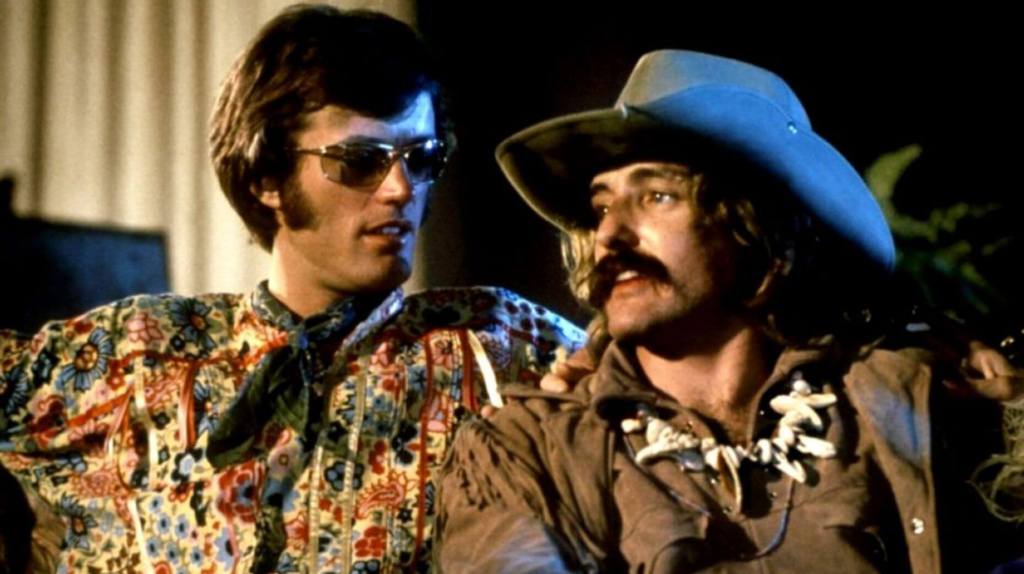
Easy Rider (1969). Dennis Hopper directed and co-starred with Peter Fonda in this unexpected biker hit and gave Jack Nicholson such a juicy part that he was immediately propelled into a star role and an Academy Award nomination for 1970’s Five Easy Pieces. Like The Graduate, Easy Rider decried a perceived loss of American innocence. Its success led studios to attempt to duplicate Rider’s grosses by funding any number of similarly negative “youth” productions such as The Strawberry Statement and The Last Movie that even at the time were seen by many as naïve or self-aggrandizing. (Peter Fonda had starred in another biker movie of note prior to Easy Rider: 1966’s The Wild Angels, whose claim to true significance is negated when Nancy Sinatra views Bruce Dern’s body and announces, “He’s wasted.” The first notable biker movie was 1953’s The Wild One with Marlon Brando.)
Keep an eye out for Spotify logos on our books. Scan the QR codes in select books in our collection, marked with Spotify spine labels, for playlists created for each book. For a full list of the books included, visit our website or click here.
(EXTON, PA) – Recognizing the frustrations in access to mental health care and the lack of information about what resources were available, Pennsylvania State Representative Kristine Howard began holding the Mental Health Fair in 2021. She noticed the urgent need for mental health resources and education, which had only been exacerbated by the pandemic. Many people were turning to her office for help finding care for their loved ones, and it was a natural decision to hold a Mental Health Fair to help inform the public about what resources were available.
This year, Representative Howard and the Chester County Library will co-host a Mental Health Fair on Thursday, September 8 from 3 -5 p.m. in the library’s Struble Room. Visitors can connect with resources from several local agencies and listen to local experts talk about the current condition of mental health in Chester County. Registration is not required.
Speakers at the fair will include:
Kristen de Marco, Executive Director of Gateway Horseworks
Colleen Drake, Assistant Director of Business Development at Belmont Behavioral Hospital
Gerry Gonzalez, Community Relations Representative at Child Guidance Resource Centers
Leslie Holt, Co-Founder, and CEO of A Child’s Light
Michael Ivers, EMS Operations Chief for Chester County Emergency Response
Kate Lannan, Community Services Director at A Haven
Katie McGrath, Director of Outreach, and Olivia Kennedy, Outreach Liaison, at Sanare Today
Deborah Willett, Program Coordinator of GRANDFamily Connections of ChesterCounty at Coatesville Center for Community Health
As an accessible community hub and advocate of circulating health literacy within the community, the Chester County Library is committed to helping connect the community with local mental health resources available to them. The Chester County Library is hoping to extend a lifeline to its neighbors and also demonstrate that they are an inclusive resource for all community needs. This event will give the community at large an opportunity to have open conversations without judgment and thereby also help reduce the stigma surrounding mental health. For more information please visit https://bit.ly/3zSgl0A or contact the Chester County Library Reference Desk at 610-344-5957.
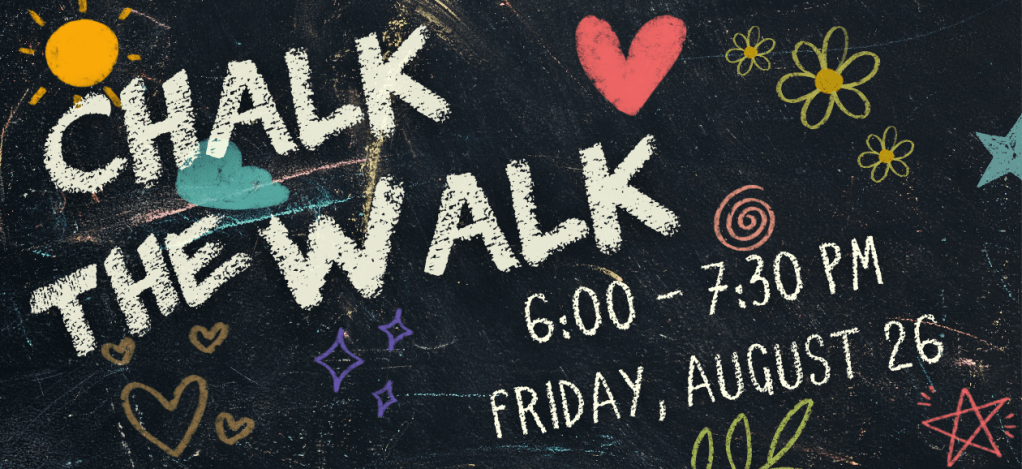
Chalk our Walk! We’re calling all artists to help decorate the sidewalk around the Library to celebrate the reopening of our parking lot. Decorate a block yourself, or share one with family, friends, or your organization. We’ll provide the supplies, you just bring your imagination!
Come by any time between 6:00 and 7:30, but please register first so we can guarantee everyone a spot. Register here.
All drawings must be family-friendly–no offensive, graphic, or political illustrations and no foul language, please.
CHESTER SPRINGS― Join us via the Henrietta Hankin Branch Library on Thursday, August 11, at 1 p.m. for a virtual discussion of DRIFT, a documentary film about New Jersey’s Barnegat Bay. Prior to the discussion, registrants will have special access to the film beginning August 4. The discussion will be led by Avery Lentini, Executive Assistant and Policy Advocate with Save Barnegat Bay. The organization, whose mission is to restore and protect the Bay and its ecosystem, has become a strong and independent voice for the Bay throughout the watershed, including all of Ocean and part of Monmouth Counties.
DRIFT, produced in collaboration with Monmouth University Production Services and directed by Erin Fleming, tells the story of Barnegat Bay through the voices and eyes of people who cherish the Bay as a natural, recreational, and economic resource for the local community and all of New Jersey. The film allows the viewer to DRIFT through 50 years of complex issues through a series of short vignettes, using a variety of perspectives, viewpoints, and experiences. Located on the east coast of New Jersey in Ocean County, the Barnegat Bay runs from the town of Bay Head all the way down to Little Egg Harbor. It is 42 miles long and has an area of 64 square miles.
Register here for this special event. For additional information, please contact Barbara Vitelli, Reference Librarian at bvitelli@ccls.org.
A sophomore slump refers to an instance in which a second, or sophomore, effort fails to live up to the relatively high standards of the first effort. (1)
It’s exciting when a new filmmaker manages to make a big splash with their first film. An impressive debut can, and often does, generate a lot of interest from studios and audiences alike. For many movie lovers, it immediately elicits the following statement:
“I can’t wait to see what they do next….”
Suddenly, there is the burden of expectation. Audiences who loved a director’s first film are now excited by the prospect of a whole career of great films. Off of just one great movie, we begin crafting our own narratives, asking questions like “Could they be the next Speilberg? The new Hitchcock?” Unfortunately for most directors, the second movie is often the one that faces the most scrutiny. It could be the added pressure of audience expectations or working with an expanded budget; either way, the second time around proves to be one that rattles many film makers and results in movies that are more or less considered to be an underwhelming follow up. This has become known among film and music circles as the dreaded “sophomore slump”.
While the sophomore slump has been well documented in the film industry, there are plenty of examples of GREAT follow-up films; some of which have become remembered as the high mark in a director’s career. All these films can be found in the collection of our Chester County Library Catalogue.
This month we at the Chester County Library Multimedia Department are giving you a list that proves that sometimes second truly is the best.
In 1979, director Ridley Scott followed up his debut film The Duellists (1977), with the Sci-Fi Horror masterpiece Alien. The film went on to become an instant classic , spawning its own franchise of 5 subsequent sequels with more on the way. Scott continues to have one of the most prolific careers a director can ask for, with a lifetime of impressive credits including: Blade Runner, Legend, Thelma & Louise, 1492, White Squall, Gladiator, Black Hawk Down, Kingdom of Heaven, Prometheus, Alien: Covenant, All the Money in the World, The Last Duel and House of Gucci.
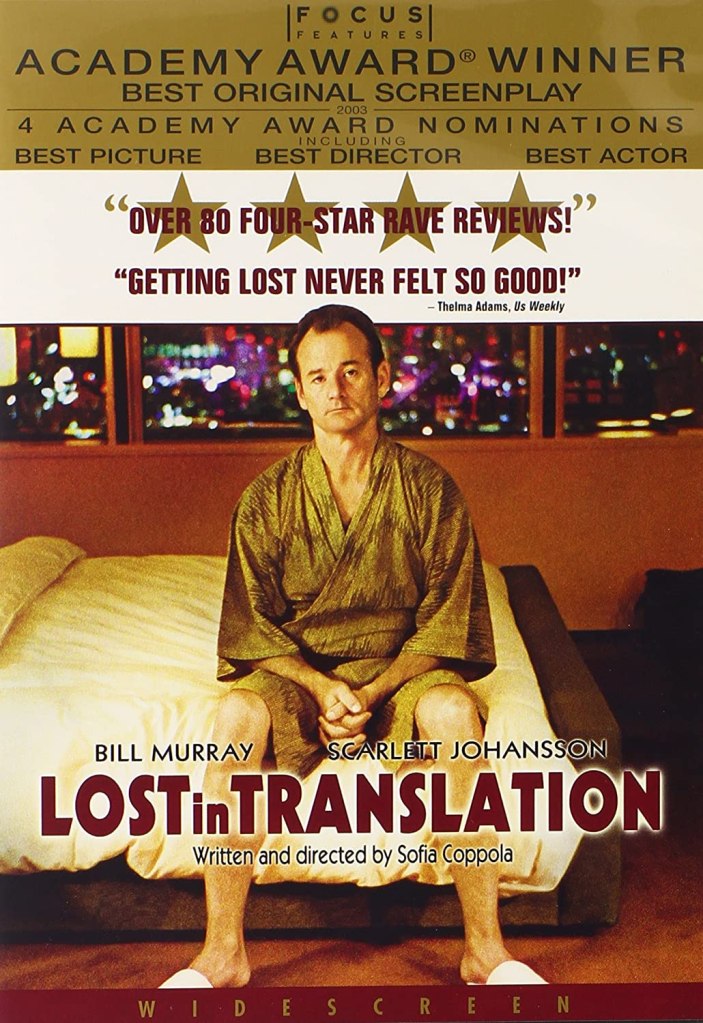
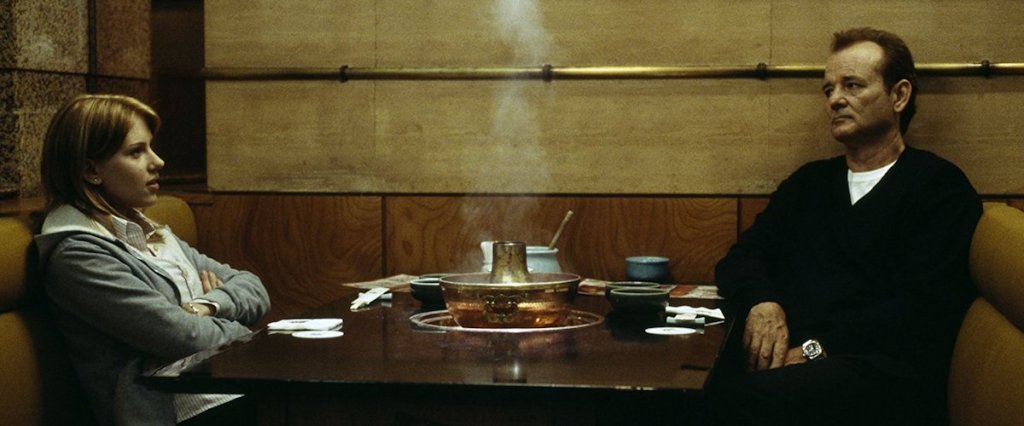
It is not easy carving a name out for yourself as a filmmaker. Now imagine how hard it would be, if your father was a director known for making what many consider the greatest film ever made: The Godfather… It is still astounding to me that Sofia Copolla climbed out of such a looming shadow as her father’s career and truly created a style of film making all her own. Her first film, The Virgin Suicides, proved to many that Sofia was a true talent and could make a great film. It was her second film, Lost in Translation, which cemented her as a legend in her own right. Lost in Translation received critical praise and went on to be nominated for four Academy Awards including: Best Picture, Best Director, Best Actor (Bill Murray), and Best Original Screenplay (which Sofia Coppola won). Sofia Coppola continues to have an illustrious career, making unique and expressive films such as Marie Antoinette, Somewhere, The Bling Ring, and The Beguiled.
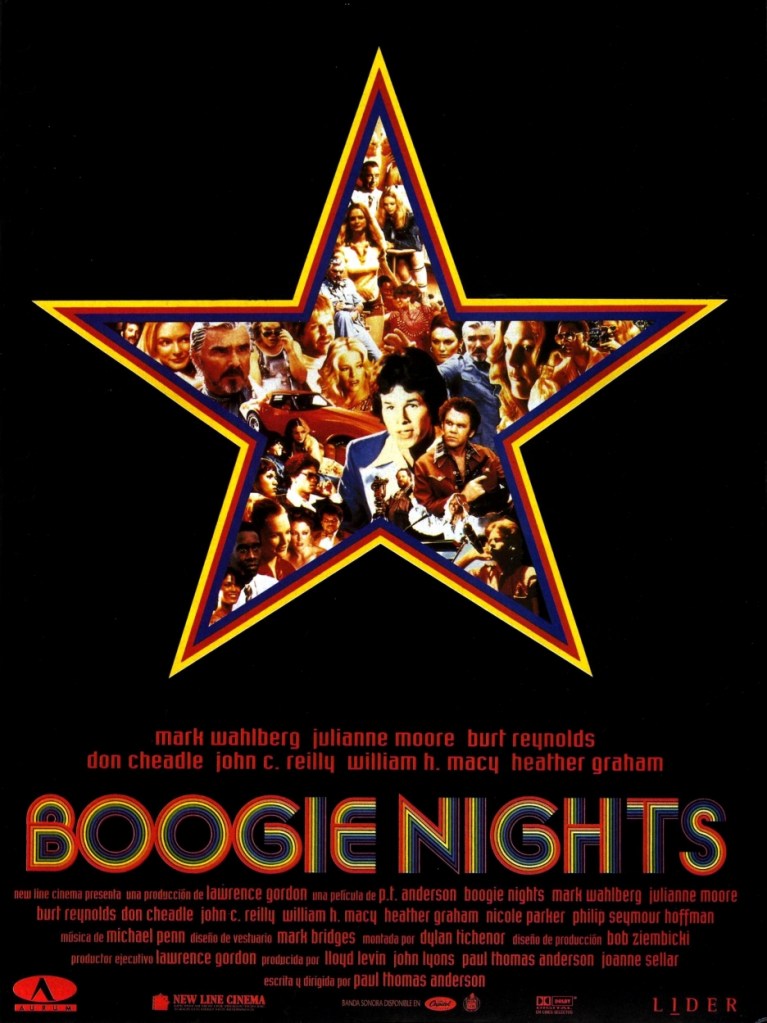
Paul Thomas Anderson was just 26 years old when his first film Hard Eight premiered and gained some significant attention at the Sundance film festival. I guess his youth helps explain how in just one short year, he churned out the magnum opus Boogie Nights, which chronicled the pornographic film industry spanning over the entire decade of the 1970s. It is a massive movie filled with incredible performances from an all star cast including: Phillip Seymour Hoffman, John C. Reilly, Julianne Moore, Burt Reynolds giving what is truly a career best performance, and most famously it is the film that convinced audiences that Mark Wahlberg was a true movie star. Anderson is no slouch, and continues to make some of the biggest and most artistically relevant films of this day and age. Later films in his career included Magnolia, Punch Drunk Love, There Will Be Blood, The Master, Inherent Vice, and one of this year’s best films: Licorice Pizza!
After his 1970 feature The Landlord did moderately well, Hal Ashby’s second film Harold & Maude proved to become a well loved cult classic among audiences; so much so, that even in a long career with many well-received films, this is still considered one of his best.
While he admittedly had plenty of experience directing for the stage, Bob Fosse had only one previous film under his belt, when he directed the film that would forever change movie musicals. After a rather lackluster debut, with 1969’s film adaptation of stage show Sweet Charity, Fosse turned the tides with Cabaret, which went on to winning eight academy awards at the 1972 Oscars including Best Director, which he famously beat out Francis Ford Coppola who was nominated for The Godfather. Fosse’s filmography was incredibly short but Cabaret was as great and as big of a success anyone could hope to have with only the second film in their career.
John Carpenter is the master of genre film-making, but his stamp on the Horror genre is one that remains unparalleled to this day. Following his first major motion picture (we aren’t counting his student film Dark Star here), the crime/drama Assault on Precinct 13 is not an easy task. As far as first film’s go that movie is a hard act to follow. In fact the only way to top yourself is to absolutely change the landscape of film. Lucky for Carpenter, and for us, he did just that by making the ultimate Horror movie slasher with the original Halloween. There have been many slashers since, but none that served as such a monumental game-changer as this one.
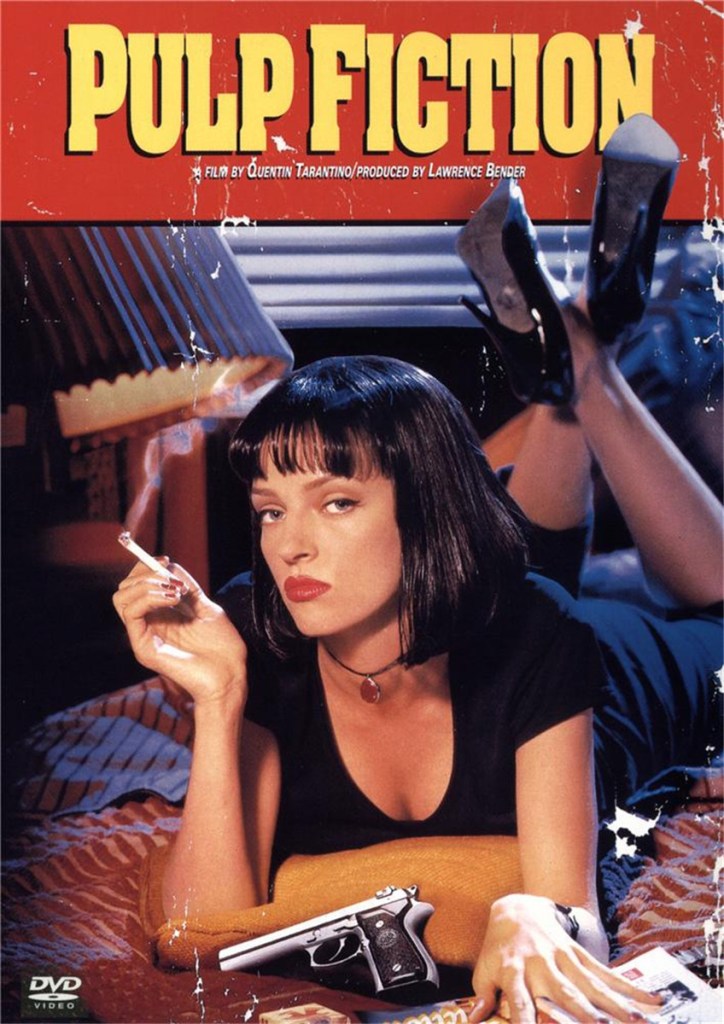
Possibly one of the biggest and most important step ups in a directors career is Quentin Tarantino’s progression from his exciting debut hit Reservoir Dogs to the cinema classic Pulp Fiction. While Reservoir Dogs is a fun fan favorite, it seems ironically sophomoric in comparison to the much more mature, better scripted, better acted, better shot follow up of Pulp Fiction. While the style and tone of both remain undeniably Tarantino, Reservoir Dogs feels like a rough draft or practice round for the Tarantino’s legendary and beloved second feature film.
Sometimes following up a movie that is completely from a different genre can be a great way to not become pigeon-holed as one type of filmmaker. For the legendary duo of the Coen Brothers that turned out to be the perfect move for their career, when they followed up their gritty and tense crime drama Blood Simple with their zany cartoonish love story between an ex cop and ex criminal that will make you howl with laughter!
The Wachowski Sisters are absolute filmmaking game-changers! They have constantly broke down boundaries and continue to push audiences to expand their minds and think outside of the box. It is insane to look back and realize that after their tremendous, but criminally underseen neo noir Bound, the made what was only their second major studio film which turned our to be The Matrix. As far as second movies go, there is no bigger jump in impact, quality and excellence in film making than making The Matrix as your sophomore film. That statement would be true following almost any film in a directors filmography and that is truly saying something.
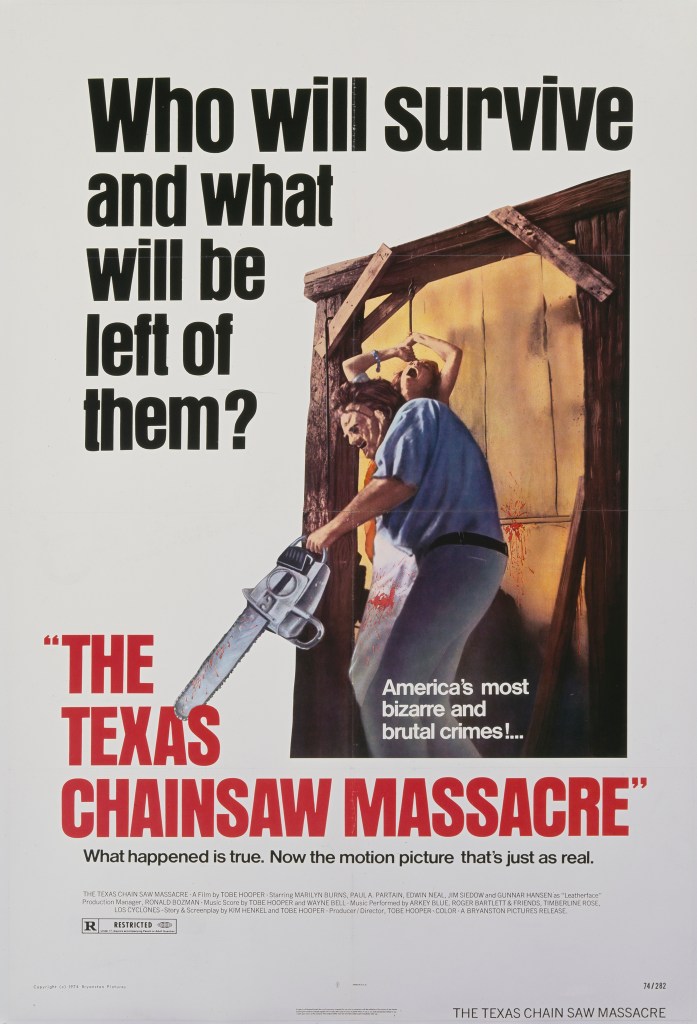
I will fully admit to still never having seen Tobe Hooper’s first film, Eggshells. While that film did not seem manage to much of a cultural impact, Hooper’s second film was an absolute lightning rod of a horror film and stands today as one of the most effective horror films ever put to film. The Texas Chainsaw Massacre invented an entire sub genre of horror, introducing a gritty, unpolished style that changed the landscape of horror films forever. Not too shabby for your second film.
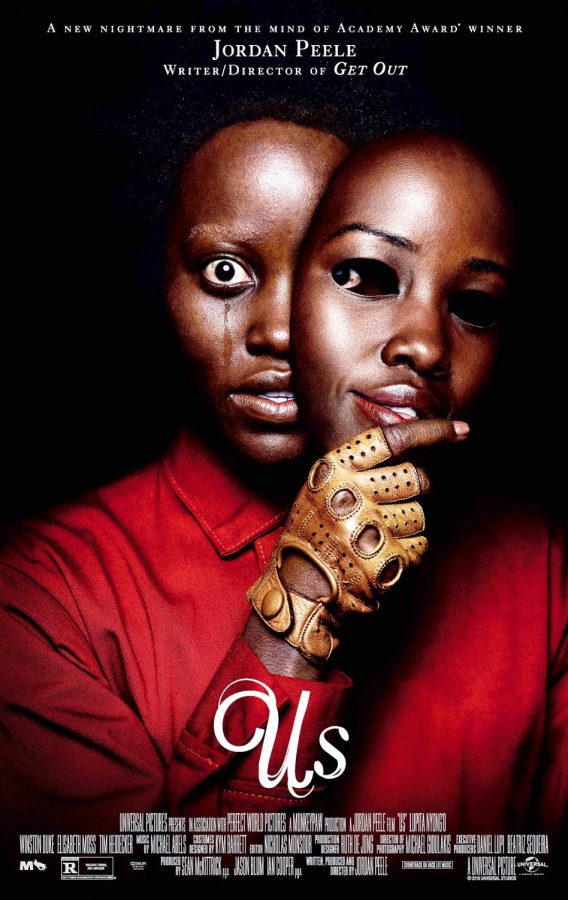
Finishing out our list is what could be possibly one of the best second films of recent memory. With Jordan Peele’s newest horror film Nope already in theatres, its a perfect time for audiences to go back and appreciate just how great his second film Us was. After Get Out served as on of the most impressive debuts that any Horror filmmaker could have hoped for (it even nabbed Jordan Peele an Academy Award for Best Screenplay), the prospect of following it up with a second film was a daunting prospect to say the least. Us managed to ratchet up the terror and show true improvements and strides in his approach to cinematography and composition. Us was a big success at the box office and yet it is still one of the most criminally underrated Horror films of the last ten years.
A “sleeper” in movie parlance is an unheralded or dismissed film whose success confounds critics when it catches fire with audiences. Through word of mouth and a mysterious penetration of the culture, sleepers become huge commercial successes despite, in many instances, low budgets and no-name casts. Sometimes, mostly in the pre-VHS/DVD era, an underperforming movie might disappear only to resurface to acclaim after the producer or director gains control of the film and makes a deal with exhibitors to bring it back into theaters. Often the return on production is astronomical. Looking back, we see that sleepers are emblematic of independent film production and distribution, in short, the post-studio system era.
Significant Sleepers:
Dr. No (1962)
This first feature-length film based on the exploits of Ian Fleming’s MI6 British Agent 007, aka James Bond (Sean Connery), heralded the cinema’s longest-running movie series. Technological gimmicks that came to define the ongoing cycle were held to a minimum in this and the sequel From Russia With Love, both of which relied on fisticuffs, knives and pistols rather than futuristic cars, rocket jet-packs and lethal bowler hats. For Dr. No, critical reaction was all over the map. The Daily Express said it “was fun all the way,…” while the Vatican called it “a dangerous mixture of violence, vulgarity, sadism and sex.” Bond definitely has a hard edge here, depicted most overtly as he feigns indifference when Professor Dent (Anthony Dawson) pulls out his Smith & Wesson and fires six shots. But with blanks. Bond smirks as he returns deadly fire with his Walther. Dr. No cost $1.1 million and made $59.5 million.
Night of the Living Dead (1968)
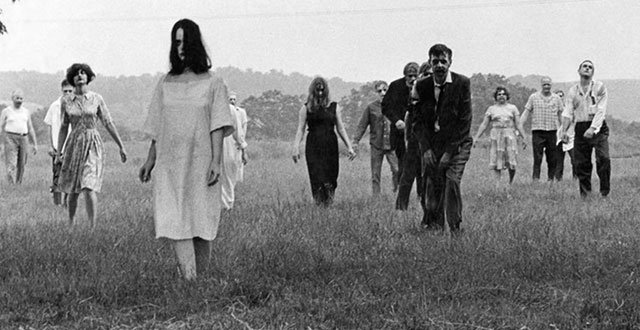
A farmhouse provides temporary safety for a disparate group of humans beset by shambling, pasty-faced and flesh-devouring “things.” Drive-ins were showing this three years after its premiere. Made on the proverbial shoestring budget, it eventually grossed $30 million. It was a watershed moment for cinematic zombies, an instant cult film for aficionados of the undead. Remakes and sequels followed. Variety was aghast: “Casts serious aspersions on the integrity and social responsibility of its Pittsburgh-based makers, distrib Walter Reade, the film industry as a whole and exhibs who book the pic.” (Variety, October 16, 1968) The literate horror film-specific fanzine Castle of Frankenstein (July 1970) looked askance: “Putrid, with indistinct, bad acting and needlessly gruesome bloodletting.” In CultMovies, Danny Peary wrote, “If ever a picture became a hit because of favorable word-of-mouth, this is it. Horror aficionados stumbled upon it in run-down theaters on New York’s Forty-Second Street or in drive-ins in the sticks, and soon spread the word that they had ‘discovered a masterpiece of the genre’.” In Medium Cool: The Movies of the 1960s, Ethan Mordden echoed Peary: “It was, in fact, seen only sporadically at first, not truly enjoyed till its cult status began to gather in the early 1970s, when it became one of the first titles to popularize the ‘midnight screening’.”
Easy Rider (1969)
Dealing cocaine to fund a cross-country road trip from California to New Orleans, two bikers (Peter Fonda and Dennis Hopper) aim not only to participate in Mardi Gras but to discover the authentic America. Along the way they encounter bigoted police, a “free love” commune, and an alcoholic lawyer (Jack Nicholson). Variety said, “Script is literate and incisive and Hopper’s direction is fluid, observant and catches the pictorial poetics with feeling.” It cost $400,000 and took in $60 million. The tagline: “A man went looking for America. And couldn’t find it anywhere.” In Medium Cool,Ethan Mordden concluded, “Above all, Easy Rider was big because it became prominent. Little films didn’t, as a rule, which obscures the history of the B in its time of highest development.”
Harold and Maude (1971)
A seemingly suicidal young man (Bud Cort) finds a kindred but life-affirming friend and lover in the aging and distinctly eccentric Maude (Ruth Gordon). Cat Stevens provided the evocative score for this black comedy that foundered during its initial release but picked up steam through word of mouth. Roger Ebert gave it one-and-one-half stars, but in 2017 Chicago Tribune critic Mark Caro, responding to a poll, said, “I’m sorry, Harold and Maude, for denying you for so long. You’re my favorite movie once again.” Variety (December 16, 1971) said, “Harold andMaude has all the fun and gaiety of a burning orphanage.” Bud Cort said much later that the film made $350 million. The best analysis of this movie is probably found in Cult Movies: “Harold and Maude is a film about death and resurrection, where death and life continuously overlap.” Ruth Gordon was moved by New York Times critic Vincent Canby’s negative review to write him a letter that offered her opinion that he should have watched the film with a normal audience, not a screening room with a bunch of fellow critics.
Billy Jack (1971)
Tom Laughlin starred, directed and wrote with his wife Delores Taylor this anti-authority action film in which the title character uses martial arts skills to ameliorate the dark cloud under which the Freedom School’s students live, i.e., a corrupt county government and those who would send wild horses to the glue factory. After the American International Pictures deal fell through, 20th Century-Fox picked it up, but that partnership waned, too, and Warner Bros. released the film and it made $10 million. Laughlin then got hold of it and re-released it and the grosses exceeded $32 million. “The industry shook its collective head in disbelief,” wrote Peary in Cult Movies, adding that it was sometimes pretentious but energetic and not badly made. Variety (December 31, 1970) praised Laughlin and Taylor. There is a disturbing (and not in a good way) prequel, The Born Losers, and two sequels.
The Rocky Horror Picture Show (1975)
In Cult Movies, Danny Peary called this musical comedy horror flick “the ultimate audience participation film.” The story: when their car breaks down, an engaged couple, Janet (Susan Sarandon) and Brad (Barry Bostwick) find themselves near a castle in which a Transylvanian convention is taking place. They encounter various celebrants, including the seductive bisexual mad doctor, Dr. Frank-N-Furter (Tim Curry) and his creation, Rocky. The movie cost under $2 million and made over $200 million—and more, counting ongoing revivals. Variety thought the film failed to capture the spirit of the stage play. “The sparkle’s gone.”
Friday the 13th (1980)
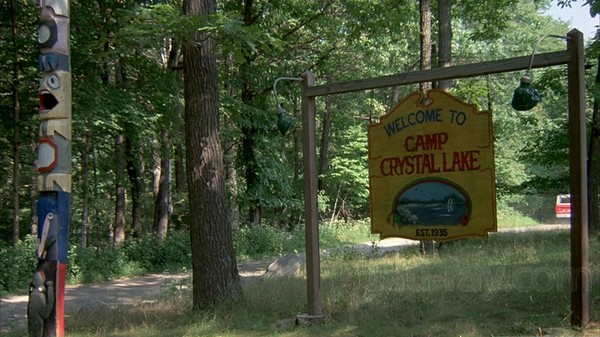
On the heels of 1978’s Halloween came this slasher film with another seemingly unstoppable madman. It cost $550,000, made close to $60 million, and spawned a franchise. Said Science Fiction, Fantasy and Horror Film Sequels, Series and Remakes (Vol. I, 1997), “The filmmakers, we think, were basically intrigued by the success of Halloween (and that film’s obvious progenitors). The premise of each film bears no closer scrutiny than do the fireside horror stories that are frequently included therein….The plots…are stripped down to the bare essentials of horny teens, stupid adults, isolated boondocks and mad slasher.”
Clash of the Titans (1981)
Critical response was mostly ho-hum other than praise for Ray Harryhausen’s stop-motion creatures in this movie version of the Perseus myth. Think Medusa! “Release the Kraken!” became a catch-phrase. It cost under $20 million to make but grossed in excess of $70 million.
Dirty Dancing (1987)
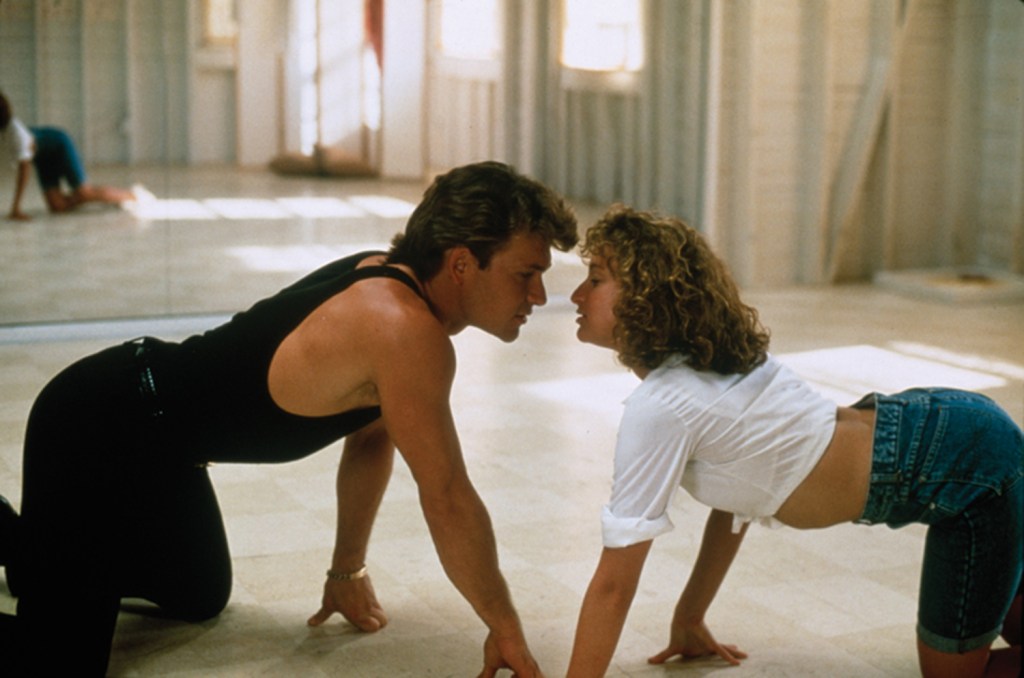
Dance instructor at a Catskills resort in 1963, Johnny Castle (Patrick Swayze) romances the young guest Frances “Baby” Houseman (Jennifer Grey). “Nobody puts Baby in the corner” became a catch-phrase. Some major critics were unimpressed when it premiered. Variety liked the production values, “some nice dance sequences,” and Jennifer Grey’s performance, but Swayze’s character was unconvincing. Roger Ebert was “Thumbs Down,” citing an “idiot plot.” His partner Gene Siskel gave it a “marginal Thumbs Up.” By contrast, the public went gaga. A budget of $4.5 million produced a film that made $214.6 million.
The Blair Witch Project (1999)
Presented as a “found footage” documentary about the search for Maryland’s Blair Witch, the film cost no more than $500,000 and ended up making over $248,000,000. The New York Times (July 14, 1999) was impressed that the filmmakers made something out of nothing, and Rolling Stone (July 30, 1999) said it would “creep you out of your skin.”
My Big Fat Greek Wedding (2002)
Nia Vardalos turned her play about a Greek- American woman (Vardalos) falling in love with an Anglo teacher (John Corbett) into a thunderous movie hit. Each family’s foibles and idiosyncracies produced many laughs. It never took the weekly #1 spot but had “legs.” Audiences would remember and cite various amusing episodes. Production costs were around $6 million and it made over $368 million.
Lost in Translation (2003)
American movie star Bob Harris (Bill Murray) arrives in Tokyo to film a Suntory whiskey commercial and stumbles on recent Yale graduate Charlotte (Scarlett Johansson), whose photographer husband leaves her alone for long stretches of time. Both afflicted with ennui, Charlotte and Bob band together. Nothing much was expected of director Sofia Coppola’s little film but critics were invariably positive. It cost $4 million to make and generated $118 million.
Lucy (2014)
This wild sci-fi actioner (“It’s tough not to be dazzled by this operatic action film’s blend of pop-philosophy, biology and silly delirium,” said USA Today on July 24, 2014.) with Scarlett Johansson as an unwilling drug mule who gains incredible mental powers that translate into physical prowess cost $40 million and made over $400 million in spite of the R rating—beating out the predicted weekend champ, Hercules. Curiously, violence rather than nudity or foul language, prompted that rating.
Chef (2014)
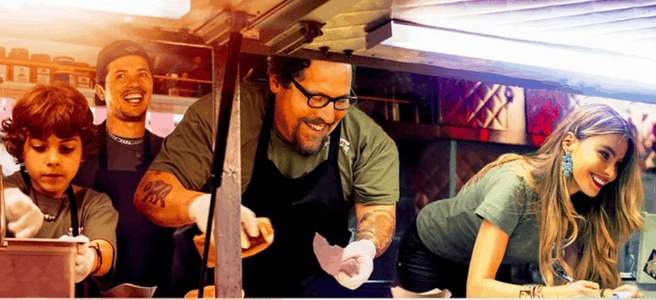
It cost $11 million and arrived with little fanfare but took in $48 million. As the title character, Carl Casper (Jon Favreau) loses his job at an upscale eatery but finds fulfillment manning a food truck and trekking across the southern tier of the country. It’s summer and his son goes along. Performers John Leguizamo, Scarlett Johansson, Dustin Hoffman, and Robert Downey, Jr. make appearances. Sofia Vergara plays Casper’s estranged wife. It’s a charming, mouth-watering tale. Critics were generally favorable. The Los AngelesTimes (May 8, 2014) congratulated Favreau’s decision to avoid “done-to-death family dynamics, forced obstacles and predictable responses for authentic interaction, organic humor and a hopeful vitality.”
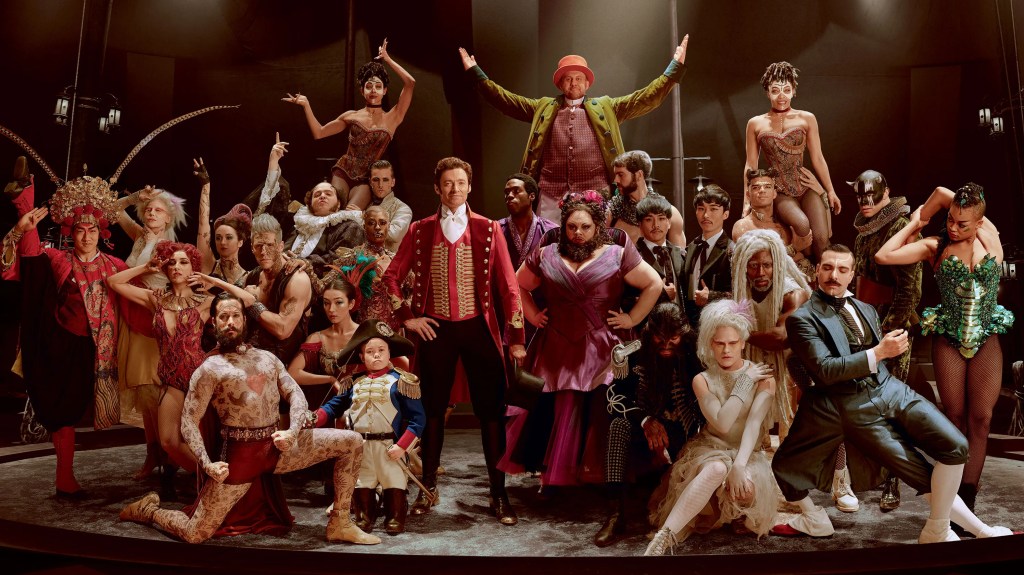
The Greatest Showman (2017)
A high-concept musical about the life of P. T. Barnum starred Hugh Jackman, Michelle Williams, Rebecca Ferguson and other “names.” Like My Big Fat Greek Wedding, it had “legs.” A disappointing first week was compensated for by a final gross of $434 million against production costs of $84 million. Critics were mostly positive with word of mouth at least as responsible for its success. Library DVD rentals were high.
By Kim
References
Unless stated otherwise, film grosses are from Wikipedia.
Elley, Derek. Variety Movie Guide. 1991.
Gordon, Ruth. My Side:The Autobiography of Ruth Gordon. 1976.
Mordden, Ethan. Medium Cool: The Movies of the 1960s. 1990.
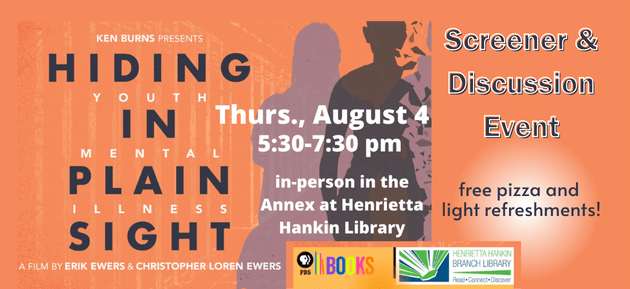
CHESTER SPRINGS, PA — On Thursday, August 4th, from 5:30-7:30 pm, Henrietta Hankin Branch Library is honored to continue its partnership with PBS Books and WETA in presenting a screener and discussion of the recently aired Ken Burns documentary Hiding in Plain Sight: Youth Mental Illness.
This documentary focuses on the mental health crisis among youth in America. It features first-person accounts from more than 20 young people, ranging in age from 11 to 27, who live with mental health conditions, as well as their parents, teachers, friends, healthcare providers, and independent mental health experts. The film presents an unvarnished window into daily life with mental health challenges, from seemingly insurmountable obstacles to stories of hope and resilience. Through the experiences of these young people, the film confronts the issues of stigma, discrimination, awareness, and silence, and, in doing so, helps advance a shift in the public perception of mental health issues today.
A panel consisting of local mental health specialists and representatives from groups that provide mental health services in the area will lead a discussion after the 30-minute screener. The panel will include:
Janet Edgette – Psychologist in private practice specializing in child and adolescent mental health and parenting support/coaching;
Lindsay Meehan Mayo, CPS – Certified Peer Support Specialist for Peer Support and Teen Talk Lines for Chester and Montgomery Counties;
Amanda Blue, MPH – Outreach Manager and Director of Mental Health First Aid Program for the College of Health Sciences at West Chester University, and Chair of the Chester County Suicide Prevention Task Force;
Carol Rothera, MS, LPC – Intervention counselor for 17 years and Supervisor for Student Services in the West Chester Area School District.
Panelists will answer questions on local community resources as well as offer their own takes on issues confronted in the film.
We warmly invite teens, parents, and community members to come in to participate in this important conversation. Anyone who would like to view the full documentary in advance of the event may stream it for free on all station-branded PBS platforms, including PBS.org through July 25th.
The program will take place in person in the Annex of the library. Pizza and light refreshments will be provided. To register, please visit here. This event supports PA Forward Health and Civic and Social Literacies.
The mission of the Chester County and Henrietta Hankin Branch Libraries is to provide informational, educational, and cultural services to the residents of Chester County so that they may be lifelong learners. The Henrietta Hankin Branch Library is located at 215 Windgate Drive, Chester Springs, PA. For hours or more information, visit our website at www.chescolibraries.org.
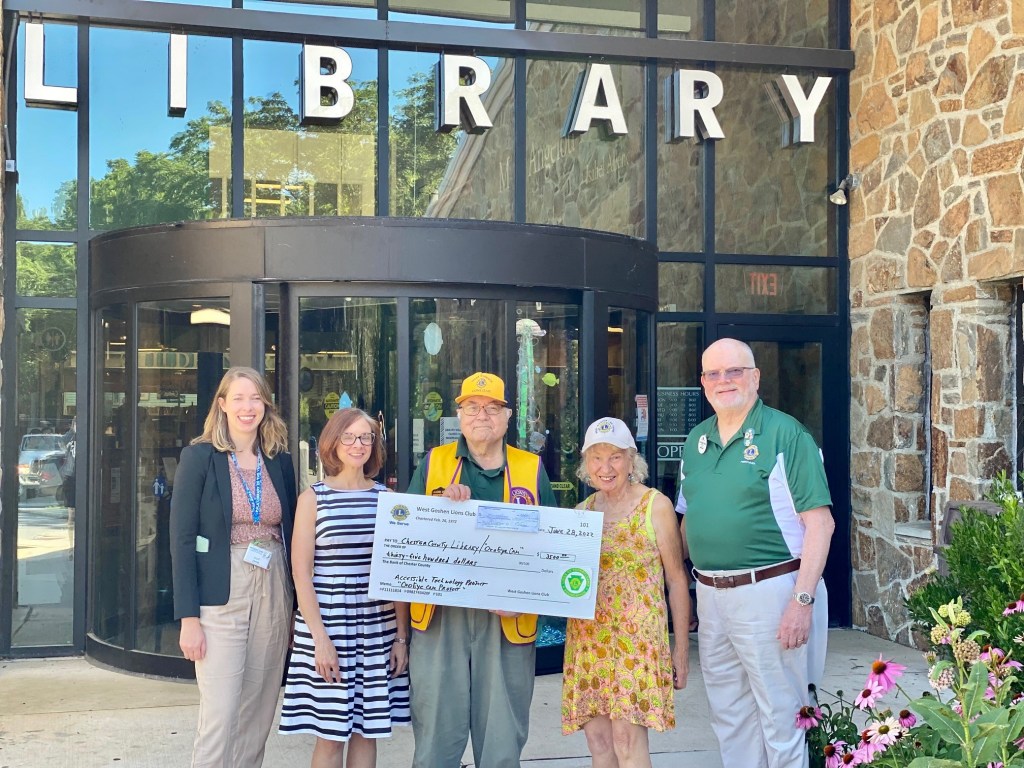
(EXTON, PA) We are so grateful to the West Goshen Lions Club, West Chester Lions Club, and the Lions of Pennsylvania Foundation who presented us with a check today for $3500 after they approved a grant application from our Equity, Diversity, and Inclusion Committee aimed to increase accessibility at the library.
These funds will be used to purchase Orcam MyEye equipment, wearable assistive technology made for the visually impaired. This voice-activated device attaches to any glasses. It can instantly read text from a book, smartphone screen, or any other surface, recognize faces and help patrons browse information on their own, and work more efficiently and independently when they visit the library. With the ability to convey visual information audibly, in real-time, and offline this equipment will significantly improve the services we can provide to our visually impaired community. It will be stored at the Reference Desk for patrons to sign out and use in the building.
Representatives from the Lions Club presented Chester County Library Director, Mary Gazdik and Reference Librarian, Jamie Claxton, with a check to fund the Orcam MyEye equipment on Tuesday, June 28th.



















 Stay Connected with Chescolibraries