“Experience the wonder of the ocean no matter where you are” with 10 different live web cams from the Monterey Bay Aquarium! View live footage of a coral reef, penguins, sea otters, sharks, and more.
Most live cams are available from 7:00 am Pacific Time (10:00 am Eastern Time) into the early evening hours (Pacific Time), with prerecorded footage available when the live cams are turned off. However, you can virtually visit the Monterey Bay Cam and listen to the soothing sound of the waves 24 hours a day.
During weekdays, narrated feedings are also available on some live cams at the scheduled times listed on the live cam page.
On Sunday, May 31st at 5:00 pm, Mo Willems and Yo Yo Ma will team up to present “The Yo-Yo Mo Show: An Evening of Musical Doodling.” The award-winning author/illustrator and Grammy-winning cellist invite doodlers of all ages to explore the relationship between visual and musical art forms. The Yo-Yo Mo Show will stream on the Kennedy Center website.
Each year, YALSA (Young Adult Library Services Association) releases a Quick Picks for Reluctant Young Adult Readers list. It is a great way to find books especially if you are a teen who does not love to read. Coming across just the right book can oftentimes make all the difference. This diverse list contains 64 titles and includes descriptions which makes it easier to find a story that appeals to you. The top ten books for reluctant readers are noted as well. Take a look at all your options and then pick out your next book!
With the commoditization of planning by the financial media, it is more difficult for people to understand that there is a comprehensive process to building a financially secure future. Using the analogy of building a house, we cover the overall process of building a financially secure future. This class will provide a new paradigm of thinking. Instead of thinking something is bad or good, the question to ask is “Does this fit for me?”
Provided by Wienken Advisors, LTD. This program supports PA Forward’s Financial Literacy.
A Zoom link will be emailed to registrants 2 hours before the program starts. Make sure to check the email address you registered with to receive the link. You do not need a Zoom account to attend the virtual program.
Building your investor IQ starts with understanding the basics. Whether you are new to investing or need a refresher, this presentation will discuss the importance of developing a strategy, the impact of asset allocation and the influence of inflation on your long-term goals.
Provided by Edward Jones. This program supports PA Forward’s Financial Literacy.
A link to access the program will be emailed to registrants 2 hours before the program starts. Make sure to check the email address you registered with to receive the link.
Do you love Roald Dahl? Do you like supporting good causes? Do you adore watching celebrities goof around? Then James and the Giant Peach read by Taika and friends is just for you!
The collaboration between Roald Dahl Story Company, Taika Waititi and the star-studded line-up of guests will serve children and families currently in lockdown all over the world and will raise money for Partners In Health, a global health non-profit who are on the front line of the fight against COVID-19 in the most vulnerable parts of the world, with the Roald Dahl Story Company committed to donation matching of $1 million.
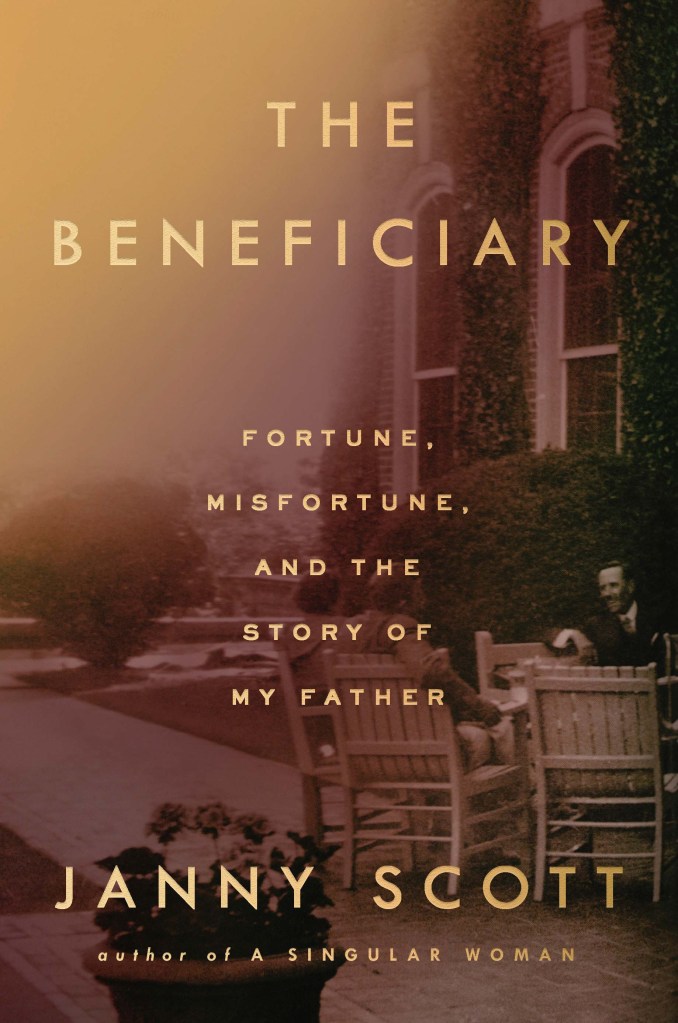
The Beneficiary is the tale of beloved local Montgomery and Scott families, who inspired the movie “The Philadelphia Story.” Main Line resident Janny Scott traverses a century and a half of local American history to illuminate her family story, and excavates the weight of inheritance, the tenacity of addiction, and the power of buried secrets.
A Zoom link will be emailed to registrants 2 hours before the program starts. Make sure to check the email address you registered with to receive the link. You do not need a Zoom account to attend the virtual program.